Pharmacy and Medication Savings: Real Ways to Cut Your Prescription Bills
If you’re tired of overpaying for meds, you’ve come to the right place. We’ll walk through simple tricks that anyone can use – from checking price‑compare tools to grabbing verified coupons. No jargon, just clear steps that help you keep more money in your pocket while staying safe.
Start with Trusted Online Pharmacies
The first thing to do is pick a pharmacy that’s legit. Look for certifications like VIPPS or local licensing info on the site’s footer. When you search for a drug like Glyburide or Wellbutrin, add “verified pharmacy” to your query – it weeds out sketchy sellers fast. Reading user reviews and checking if the site requires a prescription are quick red‑flag checks.
Use Price Comparison and Coupon Tools
Before you click ‘buy’, open a new tab and visit a price‑comparison portal. Enter the medication name, dosage, and quantity; the tool will list options from major pharmacies and highlight any discount codes. For antivirals like Valtrex, many manufacturers release printable coupons each year – just search “Valtrex coupon 2025” and you’ll find a PDF you can upload at checkout.
Coupon sites also host mail‑order medication deals. Look for “real coupon code” tags rather than vague promises. A good tip is to copy the code, paste it into the pharmacy’s promo box, and see if the discount applies before finalizing payment.
When you’re shopping from down‑under, sites like canadadrugsdirect.com often list both Canadian and Australian pricing. This can shave off 20–30% compared to local chains, as long as the pharmacy ships to your address and follows local regulations.
Don’t forget about subscription programs. Many online pharmacies let you set a recurring order for chronic meds like Metformin (Glycomet) or insulin. The recurring discount can be 10–15% plus free shipping, which adds up over time.
If a pharmacy offers a “store credit” or loyalty points system, use it. Stack the store credit with a manufacturer coupon and you’ll see deeper savings than any single deal alone.
Finally, keep an eye on alternative services. Platforms that aren’t as famous as RxConnected often have lower markup fees. A quick search for “RxConnected alternatives” will give you a list of seven or more options, each with its own pricing model and support level.
Bottom line: saving on meds isn’t magic – it’s about checking legitimacy, comparing prices, and using every coupon you can find. Follow these steps each time you need a prescription, and you’ll watch your costs drop without risking safety.
Best Online Drug Databases and Resources for Patients (2026 Guide)
Explore the most reliable online drug databases like DailyMed and LactMed. Learn how to verify medication safety, interpret labels, and avoid commercial bias in your health research.
Pharmacy Workflow and Error Prevention Systems Explained
Explore how modern pharmacy workflow and error prevention systems reduce dispensing mistakes. Learn about automation, barcode verification, and safety protocols that protect patients.
FDA Office of Generic Drugs: Role, Responsibilities, and Structure Explained
The FDA Office of Generic Drugs ensures safe, affordable generic medications reach patients by reviewing applications, enforcing standards, and managing timelines under GDUFA and Hatch-Waxman. Learn how it works and why it matters.
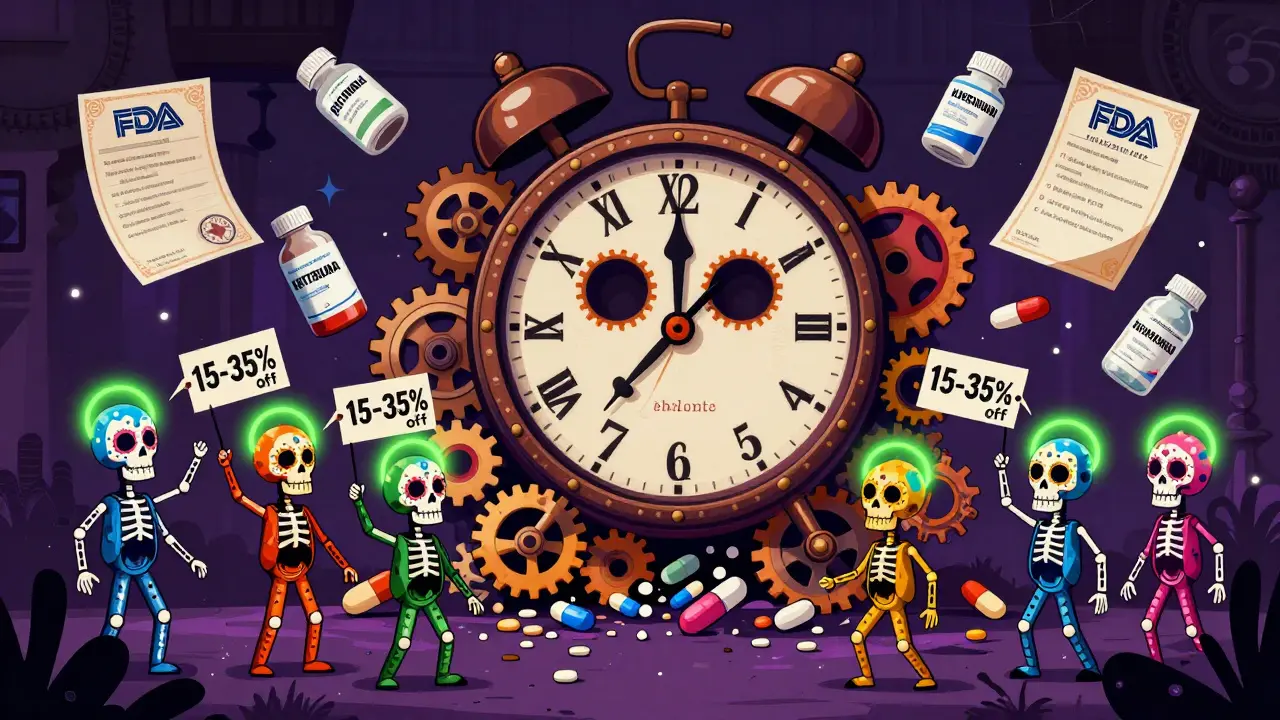
Future Biosimilars: Upcoming Patent Expirations and Market Entry
Upcoming patent expirations for top biologics like Keytruda and Humira will unleash a wave of biosimilars, slashing drug costs by up to 35%. Learn how these complex alternatives work, why adoption is slow in the U.S., and what it means for patients and healthcare spending.
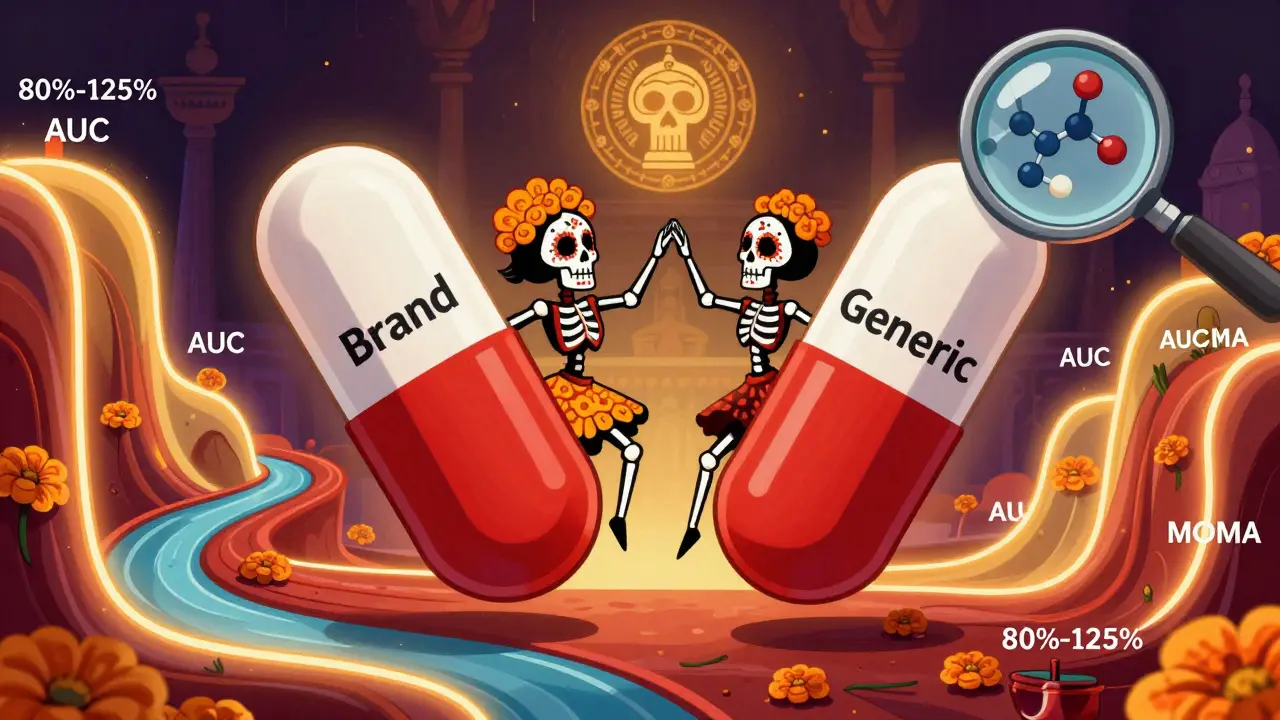
Bioequivalence Testing for Generic Drugs: What It Proves
Bioequivalence testing proves that generic drugs deliver the same amount of active ingredient at the same rate as brand-name drugs, ensuring they work just as well. It's the science behind why generics save billions without sacrificing effectiveness.
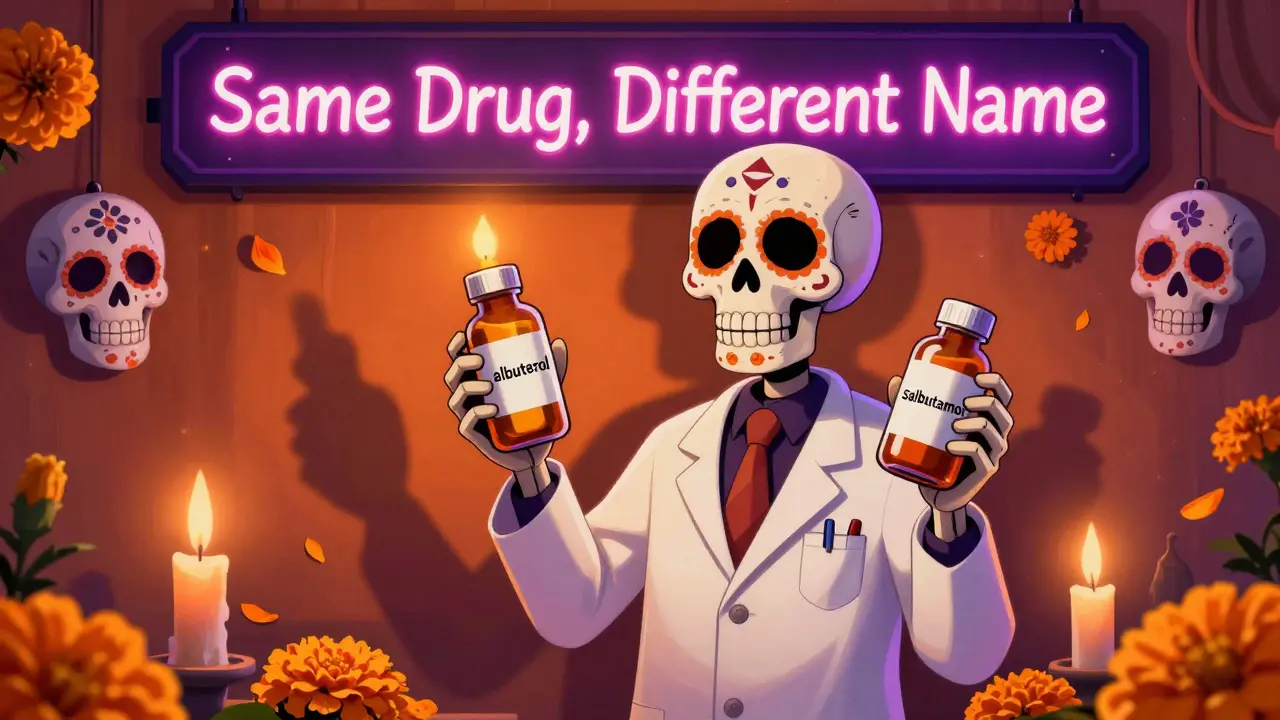
Generic Drug Names Explained: USAN, INN, and How Brand Names Are Chosen
Learn how generic drug names like USAN and INN are created to prevent dangerous mix-ups, why some drugs have different names in different countries, and how brand names are chosen differently. Essential reading for anyone taking medication.
How to Prevent Moisture Damage to Pills and Capsules: A Practical Guide for Patients and Pharmacists
Moisture can ruin pills and capsules, making them ineffective or even harmful. Learn how film coatings, proper packaging, and desiccants work together to protect your medication - and what you can do at home to keep your meds safe.
How to Prevent Moisture Damage to Pills and Capsules
Moisture can destroy the effectiveness of pills and capsules, leading to health risks. Learn how film coatings, desiccants, and proper storage prevent damage and keep your meds working as intended.
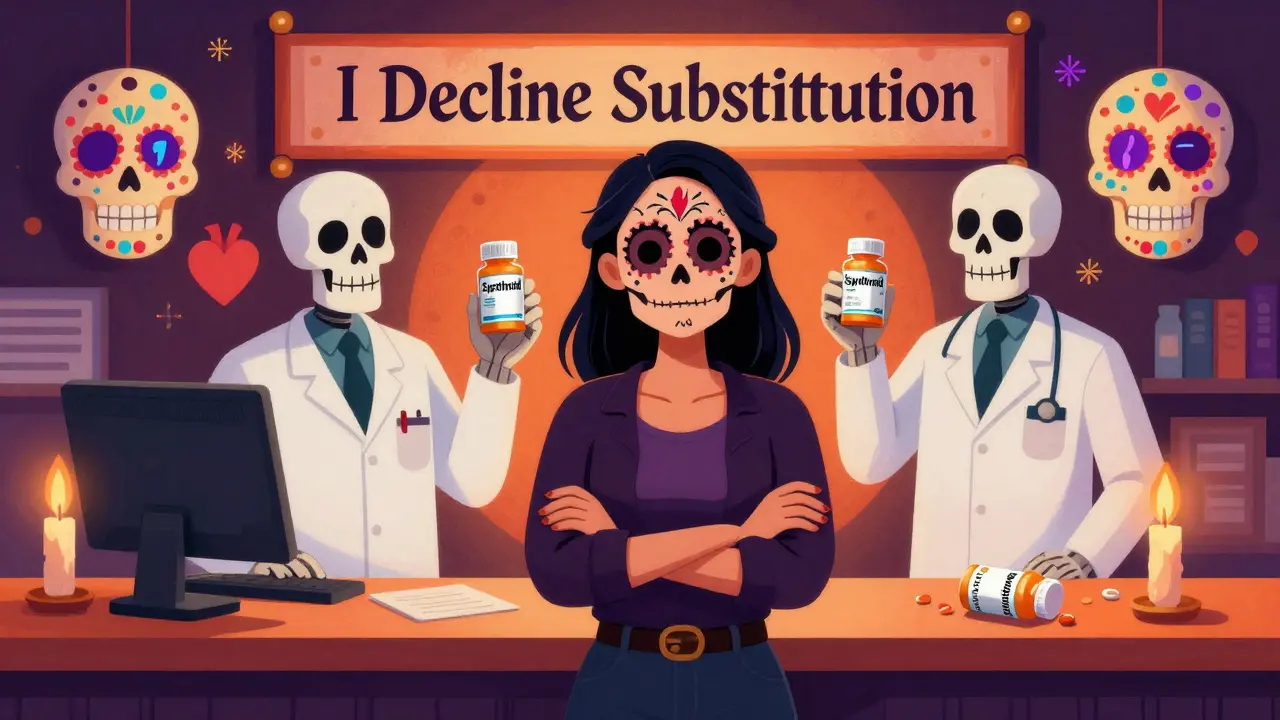
Patient Rights: How to Refuse Generic Substitution and Request Brand-Name Drugs
Learn how to legally refuse generic drug substitution and request your brand-name medication. Know your rights, state laws, and what to say at the pharmacy to protect your health and avoid dangerous switches.
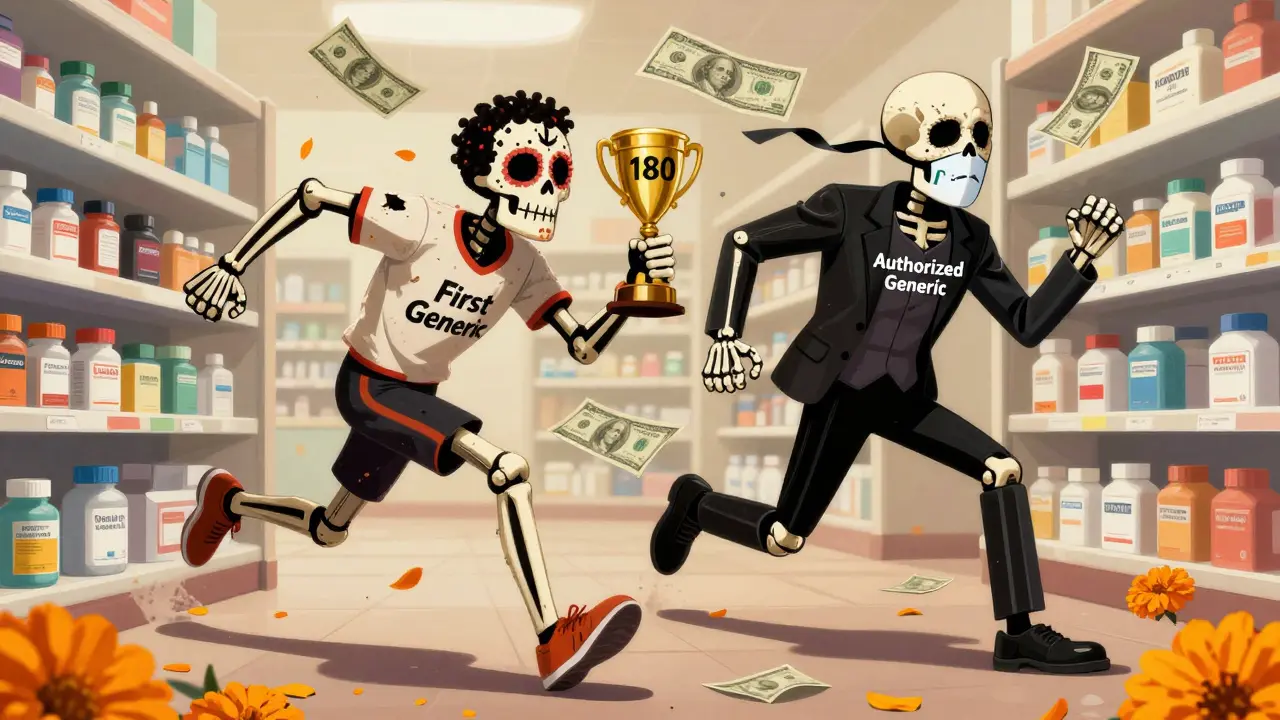
First Generic vs Authorized Generic: How Timing of Market Entry Shapes Drug Prices
First generics are supposed to slash drug prices after patents expire - but authorized generics, launched by brand companies on the same day, steal their market share and keep prices high. Here’s how timing changes everything.