Generic Drugs: Save Money Without Sacrificing Quality
When you hear generic drugs, pharmaceutical products that contain the same active ingredients as brand-name drugs but are sold under their chemical name. Also known as generic medication, they work the same way, in the same dose, and with the same risks and benefits—just without the marketing costs. Many people still think generics are weaker or less reliable, but that’s not true. The FDA and similar agencies worldwide require them to meet the same strict standards as brand-name pills. If your doctor prescribes a drug, the generic version isn’t a substitute—it’s the same medicine, just cheaper.
Why does this matter? Because generic drugs can cut your monthly prescription costs by up to 80%. That’s not a small savings—it’s life-changing for people managing chronic conditions like high blood pressure, diabetes, or depression. You’ll find posts here comparing Finpecia, a generic version of finasteride used for hair loss to Propecia, or Abhigra, a generic sildenafil alternative to Viagra, showing real cost differences and side effect profiles. You’ll also see how generic azithromycin, a common antibiotic can be bought safely online for a fraction of pharmacy prices, and how tools like online comparison platforms help you spot the best deals without risking your health.
But buying cheap isn’t enough—you need to buy smart. Not every online pharmacy is trustworthy. Some sell fake or contaminated versions. That’s why our collection includes step-by-step guides on how to verify online pharmacies, what red flags to watch for, and how to read labels to confirm you’re getting real medication. We cover how food affects these drugs, how to avoid dangerous interactions, and why some people respond differently based on their genes. You’ll find comparisons between generics and brand names for fertility drugs like Fertomid, ED meds like Levitra Super Active, even supplements like Norwayz (idebenone). Whether you’re managing PCOS, thyroid issues, kidney disease, or just trying to stretch your budget, the posts here give you real, tested ways to save without cutting corners on safety or effectiveness.
What you’ll find below isn’t just a list of articles—it’s a practical toolkit. Every post is written for someone who needs to understand their meds, not just take them. No fluff. No jargon. Just clear, direct advice on how to get the most out of generic drugs—safely, affordably, and with confidence.
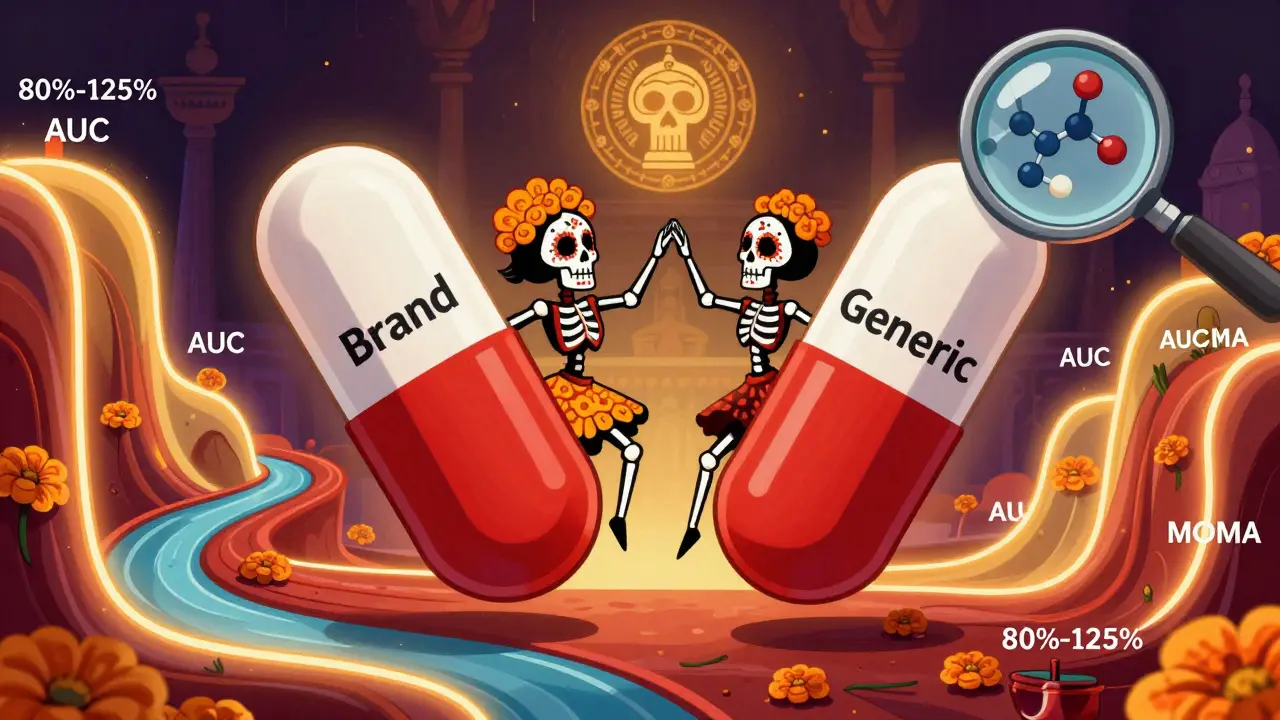
Bioequivalence Testing for Generic Drugs: What It Proves
Bioequivalence testing proves that generic drugs deliver the same amount of active ingredient at the same rate as brand-name drugs, ensuring they work just as well. It's the science behind why generics save billions without sacrificing effectiveness.

Paragraph IV Certifications: How Generic Drug Companies Challenge Patents Before Market Entry
Paragraph IV certifications let generic drug companies challenge brand-name patents before launch, speeding up affordable drug access. Learn how the Hatch-Waxman Act enables this system-and why it’s saving billions.
Therapeutic Equivalence: Are Authorized Generics Really the Same as Brand Drugs?
Authorized generics are the exact same drug as brand-name medications, made by the same company with identical ingredients. Learn why they're a safe, cost-effective alternative and how they compare to regular generics.
How to Compare Generic Manufacturers and Pill Appearance
Learn how to safely compare generic drug manufacturers and pill appearance, understand FDA standards, identify pills using imprints, and know when switching generics might affect your health - especially for high-risk medications.
In Vivo vs In Vitro Bioequivalence Testing: When Each Is Used
In vivo bioequivalence testing uses human subjects to measure drug absorption, while in vitro testing uses lab methods like dissolution. Learn when each is required for generic drug approval by the FDA and EMA.
Prescriber Attitudes Toward NTI Drugs and Substitution: What Doctors Really Think
Prescribers remain cautious about generic substitution for narrow therapeutic index (NTI) drugs like warfarin, levothyroxine, and tacrolimus, despite FDA assurances. Real-world risks, state laws, and communication gaps shape their decisions.
Employer Health Plans and Generic Preferences: How Formularies Control Your Prescription Costs
Employer health plans use tiered formularies to favor generic drugs, saving billions annually-but these savings don't always reach employees. Learn how formularies work, why drugs get dropped, and what you can do to control your prescription costs.
Federal Food, Drug, and Cosmetic Act: How It Built the Legal Foundation for Generic Drugs
The Federal Food, Drug, and Cosmetic Act laid the groundwork for generic drugs through the 1984 Hatch-Waxman Amendments, creating the ANDA pathway that lets safe, affordable generics enter the market. Today, 90% of U.S. prescriptions are filled with generics, saving consumers trillions.

Global Regulatory Differences for NTI Generics: What You Need to Know
NTI generics require stricter regulation than standard generics due to narrow safety margins. This article compares FDA, EMA, Canada, and Japan approaches, highlights real-world impacts, and explores global trends in approval standards and patient safety.