Therapeutic Equivalence: Are Authorized Generics Really the Same as Brand Drugs?
 Jan, 21 2026
When your doctor prescribes a brand-name drug, you might see the price and think: there has to be a cheaper way. That’s where generics come in. But not all generics are the same. Some look different. Some come in different shapes or colors. And some are made by the very same company that made the brand-name version - but without the brand name on the bottle. These are called authorized generics. So the real question isn’t just whether generics work - it’s whether authorized generics are truly identical to the brand drug you’ve been taking.
What Exactly Is an Authorized Generic?
An authorized generic isn’t a copy. It’s the exact same pill, capsule, or injection - same active ingredient, same inactive ingredients, same manufacturing process, same factory - just sold without the brand name. The FDA defines it clearly: it’s the brand drug marketed under a different label. No changes. No compromises. The company that made the original brand drug simply decides to sell it under a generic label, often at a lower price.
This isn’t some loophole. It’s built into U.S. drug law. The Hatch-Waxman Act of 1984 created the modern generic drug system. It let companies make copies of brand drugs after patents expired. But it also let brand companies themselves make and sell their own version as a generic - to compete with other generics. That’s why you’ll sometimes see a drug like Lipitor sold as “atorvastatin” by Pfizer, the same company that made Lipitor. Same bottle, same contents, different label.
How Are Authorized Generics Different From Regular Generics?
Regular generics - the kind you get most often - go through a different approval process. They must prove they’re bioequivalent to the brand drug. That means they deliver the same amount of medicine into your bloodstream within an acceptable range. But they don’t have to match the brand’s inactive ingredients. That’s why a generic version of a pill might be white and oval, while the brand is blue and capsule-shaped. The fillers, dyes, and coatings can differ. For most people, that doesn’t matter. For some, it does.
Authorized generics skip that step. They don’t need to prove bioequivalence because they’re not a different product. They’re the same product. No testing required. They’re made in the same facility, on the same machines, from the same batch of active ingredient. That’s why they’re not listed in the FDA’s Orange Book - the official list of approved generics. They’re not generics under the ANDA pathway. They’re brand drugs under a different name.
Do They Work the Same?
Yes. And the data backs it up.
A 2018 study published in PMC tracked over 5,000 patients who switched from brand-name drugs to generics. About 94% switched to a generic. Of those, some got regular generics. Others got authorized generics. The researchers looked at hospital visits, ER trips, and whether people stopped taking their meds. The results? No meaningful difference. Patients on authorized generics had the same outcomes as those on the brand. Even better - they had the same adherence rates as regular generics, with only a tiny 0.6% difference in discontinuation rates.
That’s not an accident. The FDA requires every batch of an authorized generic to meet the same quality standards as the brand. The same inspectors check the same factories. The same stability tests are run. The same lot numbers are tracked. If there’s a problem with a brand drug, the FDA investigates the authorized generic version too - because it’s the same thing.
Some people worry about drugs with a narrow therapeutic index - where even small changes can cause problems. Think blood thinners, seizure meds, thyroid drugs. Even here, studies show no increased risk with authorized generics. The FDA has reviewed hundreds of these cases. The conclusion? No clinically significant differences.
Why Do Some Patients Prefer Them?
It’s not just about price. It’s about trust.
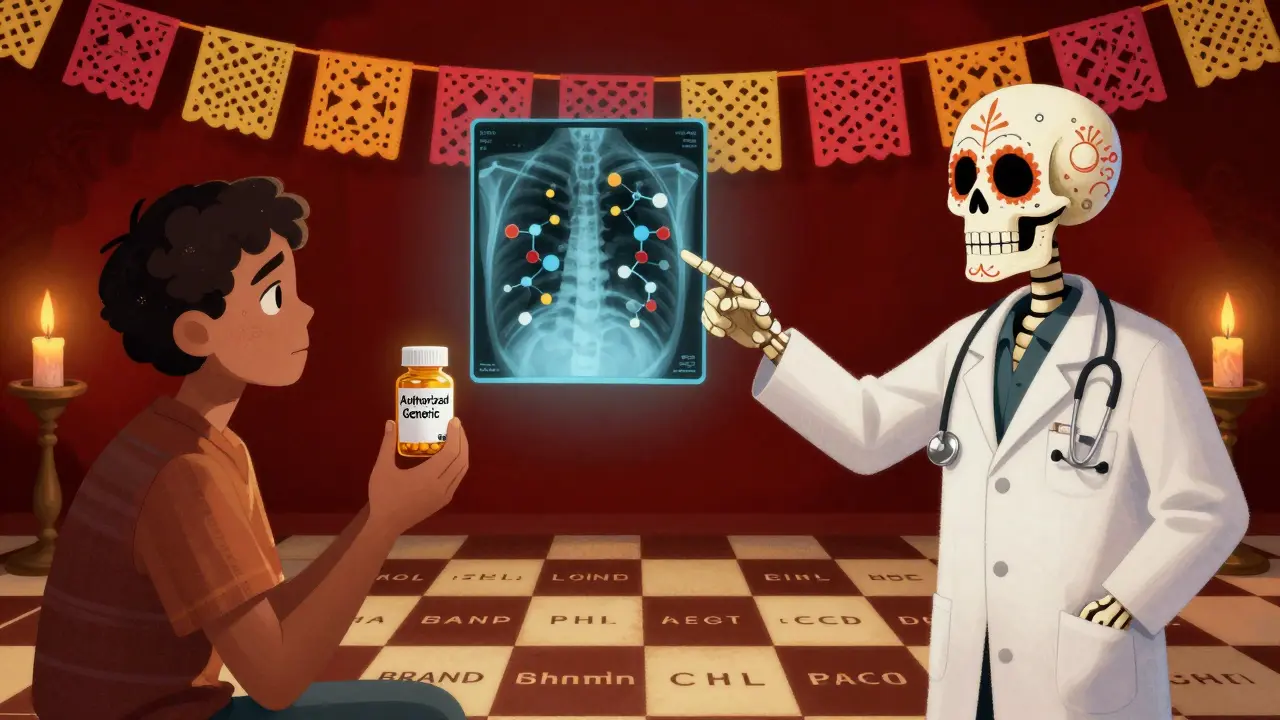
Many patients have been on the same brand drug for years. They know how it feels. They know how it looks. Then they get a generic. It’s a different color. A different shape. Maybe a different taste. Suddenly, they’re worried. Is this really the same? That anxiety can lead to missed doses or stopping the drug altogether.
Authorized generics solve that. They’re identical. The pill feels the same. The size is the same. The coating is the same. For people on birth control, epilepsy meds, or heart medications, that consistency matters. One study found that patients on birth control pills were more likely to stick with their regimen when switched to an authorized generic than to a regular generic - not because the medicine worked better, but because they didn’t feel like they were switching.
Pharmacists report this too. When a patient says, “I don’t trust generics,” offering an authorized generic often removes the resistance. It’s not magic. It’s familiarity.
What About the Price?
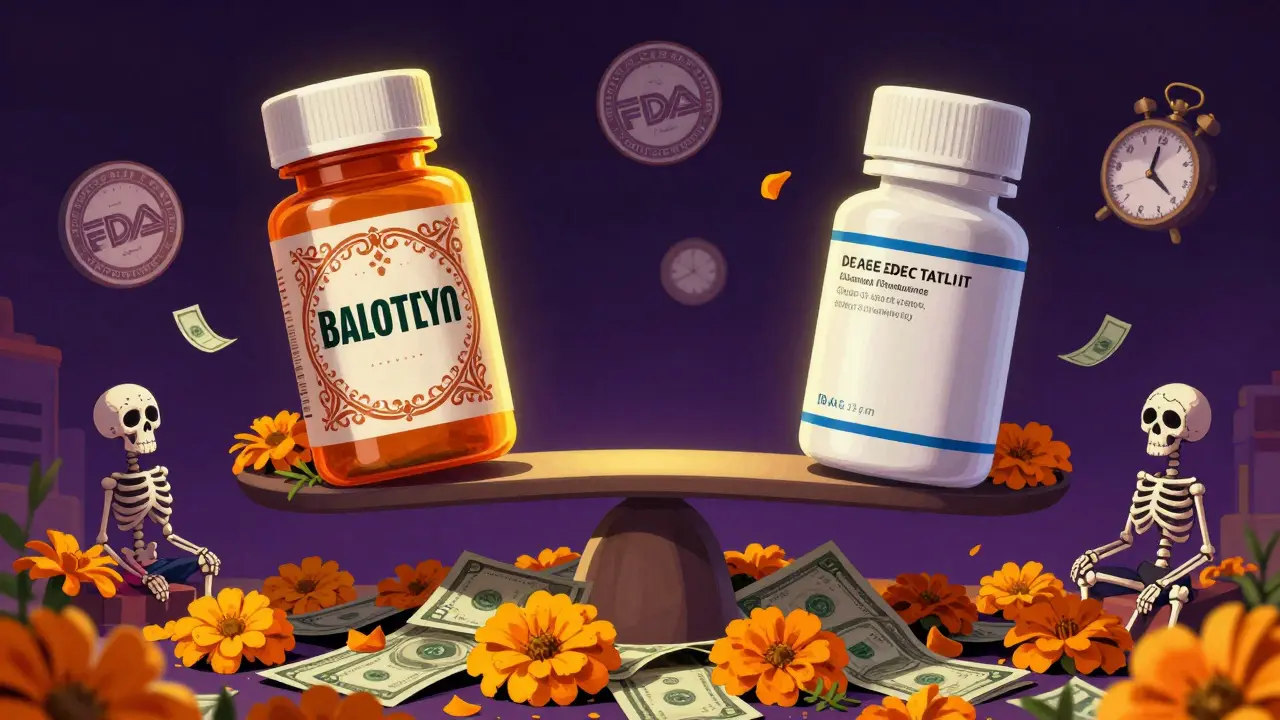
Authorized generics are almost always cheaper than the brand. But sometimes, they cost a bit more than regular generics. Why? Because the brand company still controls the supply. They don’t have to compete with other manufacturers. So if you’re looking for the absolute lowest price, a regular generic might be cheaper. But if you’re looking for the same drug you’ve always taken - at a lower cost - authorized generics hit the sweet spot.
On average, generics save patients 80-85% compared to brand drugs. Authorized generics typically save 30-50% off the brand price. That’s still a huge difference. For a $300-a-month drug, that’s $90-$150 saved each month. For someone on multiple prescriptions, that adds up fast.
What Do Pharmacists Need to Know?
Here’s where things get tricky. Authorized generics aren’t in the Orange Book. That means your pharmacy system might not flag them as “therapeutically equivalent” the way it does for regular generics. A pharmacist might see two different NDC codes - one for the brand, one for the authorized generic - and think they’re different drugs.
But they’re not. The NDC code changes because the label changes. The drug inside? Identical. Pharmacists need to know how to recognize them. Look for the manufacturer name. If it’s the same company that makes the brand, and the active ingredient matches exactly, it’s an authorized generic.
Insurance companies sometimes treat them differently. Some require prior authorization. Others reimburse them at the brand tier. Always check. If you’re switching from brand to authorized generic, tell your pharmacist. Ask: “Is this the same as the brand?” They’ll know.
Is There Any Catch?
Yes - but it’s not about safety.
Sometimes, brand companies use authorized generics as a tactic to delay competition. They’ll launch their own authorized generic the moment a patent expires - and then sue other companies trying to make regular generics. This keeps the market small, prices higher, and patients stuck with fewer choices. The Government Accountability Office flagged this in 2020. It’s legal. But it’s not fair.
That’s why authorized generics aren’t a perfect solution. They’re a good one - for patients who want certainty. But they shouldn’t be the only option. A healthy market needs multiple manufacturers to drive prices down.
Still, if you’re choosing between a brand and an authorized generic? There’s no medical reason to pick the brand. The drug is the same. The safety profile is the same. The effectiveness is the same. The only difference? The label.
What Should You Do?
Ask your doctor or pharmacist: “Is there an authorized generic for this?” If there is, and you’re concerned about switching, ask for it. You’re not being picky. You’re being informed.
If you’re already on a regular generic and doing fine? Keep taking it. Most people are. But if you’ve had trouble with generics before - if you’ve noticed changes in how you feel, or if you’re just uneasy - an authorized generic could be the bridge you need.
And if you’re paying full price for a brand drug? Always ask. You might be overpaying for the name on the bottle - not the medicine inside.
Therapeutic equivalence isn’t just a regulatory term. It’s a promise. And with authorized generics, that promise is kept - exactly as it was meant to be.
Chiraghuddin Qureshi
January 21, 2026 AT 16:31Bro, I just switched to an authorized generic for my blood pressure med and I swear, it’s the exact same pill 🤯 Same size, same taste, same everything. My pharmacist even showed me the batch number - same as the brand! Why pay $300 when you can get the same thing for $90? 🙌
Lauren Wall
January 23, 2026 AT 12:39If you’re still paying full price for brand-name drugs, you’re being scammed. Simple.
Jasmine Bryant
January 25, 2026 AT 06:43I’ve been on an authorized generic for my thyroid med for 3 years now and never had an issue. But I do wonder - if the FDA says they’re identical, why do some insurance plans still classify them as brand-tier? It’s so confusing. Maybe someone can explain the coding thing? 🤔
Liberty C
January 25, 2026 AT 09:25Let’s be real - most people who panic about generic pills are just emotionally attached to the color of their medication. It’s not medicine, it’s a placebo ritual. If you need your antidepressant to be blue and capsule-shaped to feel better, you’re not treating your mind - you’re treating your Instagram aesthetic.
shivani acharya
January 25, 2026 AT 15:00Oh sure, let’s just trust the same pharma giant that jacked up prices for 20 years to now be our savior with a ‘generic’ label. 🤡 They’re just using authorized generics to kill off real competitors so they can raise prices again next year. The FDA doesn’t regulate greed - it just stamps ‘approved’ on corporate PR stunts. I’ve seen the internal emails - they call it ‘the Trojan Horse strategy.’ They don’t want competition. They want you to think you’re saving money while they still own the market. Wake up.
Sarvesh CK
January 25, 2026 AT 15:18This is a nuanced issue that reveals the tension between regulatory efficiency and market dynamics. While authorized generics offer pharmacological equivalence, their existence raises ethical questions about monopolistic behavior under the guise of patient benefit. The Hatch-Waxman Act intended to foster competition, yet the mechanism of authorized generics allows originators to preempt generic entry by becoming the sole low-cost provider - effectively suppressing market diversity. This may benefit individual patients in the short term, but at the cost of long-term systemic affordability. We must ask: Is therapeutic equivalence enough, or do we need pluralism in manufacturing to truly protect public health?
Daphne Mallari - Tolentino
January 26, 2026 AT 12:31The notion that patients are ‘emotionally attached’ to pill color is both reductive and patronizing. For many, consistency is not a psychological quirk - it’s a clinical necessity. The burden of proof should lie with those who dismiss patient experience as irrational, not the other way around.
Neil Ellis
January 26, 2026 AT 15:29Big pharma’s got a lot of skeletons, but authorized generics? Honestly, they’re one of the few things that actually works in our broken system. If you’re scared of switching, ask for it. No shame. Your health isn’t a gamble. And hey - if you save $120/month? That’s a whole Netflix subscription and a decent dinner out. Win-win.
Rob Sims
January 27, 2026 AT 21:28Wow. Someone actually wrote a 2000-word essay to say ‘it’s the same pill, just cheaper.’ Congrats. You win the prize for overcomplicating the obvious. Next up: ‘Breath is just air, but if you pay extra, it comes in a branded can.’
arun mehta
January 28, 2026 AT 13:24Thank you for this meticulously researched and profoundly important piece. As someone who has managed chronic illness for over a decade, I can attest that the psychological reassurance of identical formulation cannot be overstated. The FDA’s regulatory framework is sound, but human experience must remain central. I urge all healthcare providers to proactively discuss authorized generics - not as a cost-cutting measure, but as a dignity-preserving option. 🙏
Patrick Roth
January 29, 2026 AT 09:37Actually, the FDA’s Orange Book doesn’t list authorized generics because they’re not generics - they’re branded drugs with a different label. That’s the whole point. You’re all misunderstanding the terminology. And no, they’re not always cheaper - sometimes they’re priced just below brand to maximize profit. And yes, I’ve read the GAO report. Twice.