Category: Pharmacy and Medication Savings - Page 2
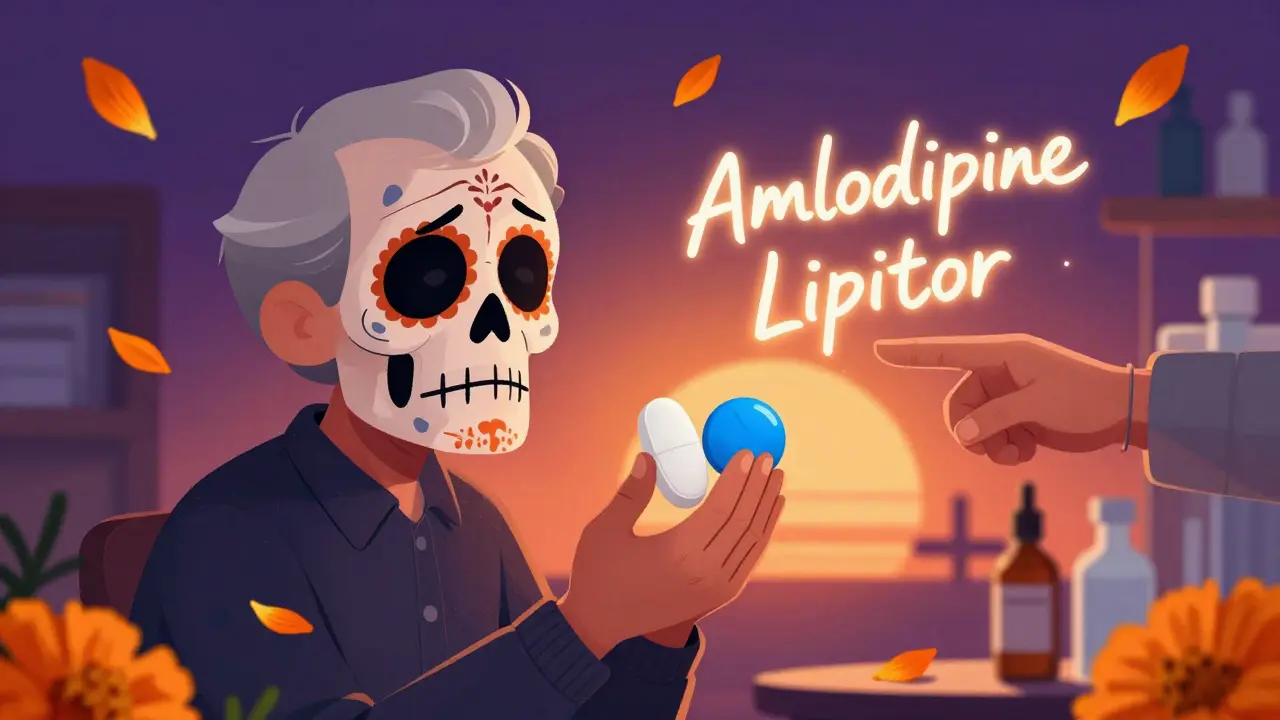
Health Literacy and Generics: Closing the Knowledge Gaps That Cost Lives and Money
Many patients stop taking generic medications because they don't understand they're the same as brand-name drugs. Closing this knowledge gap with clear communication saves lives, reduces hospital visits, and cuts healthcare costs.
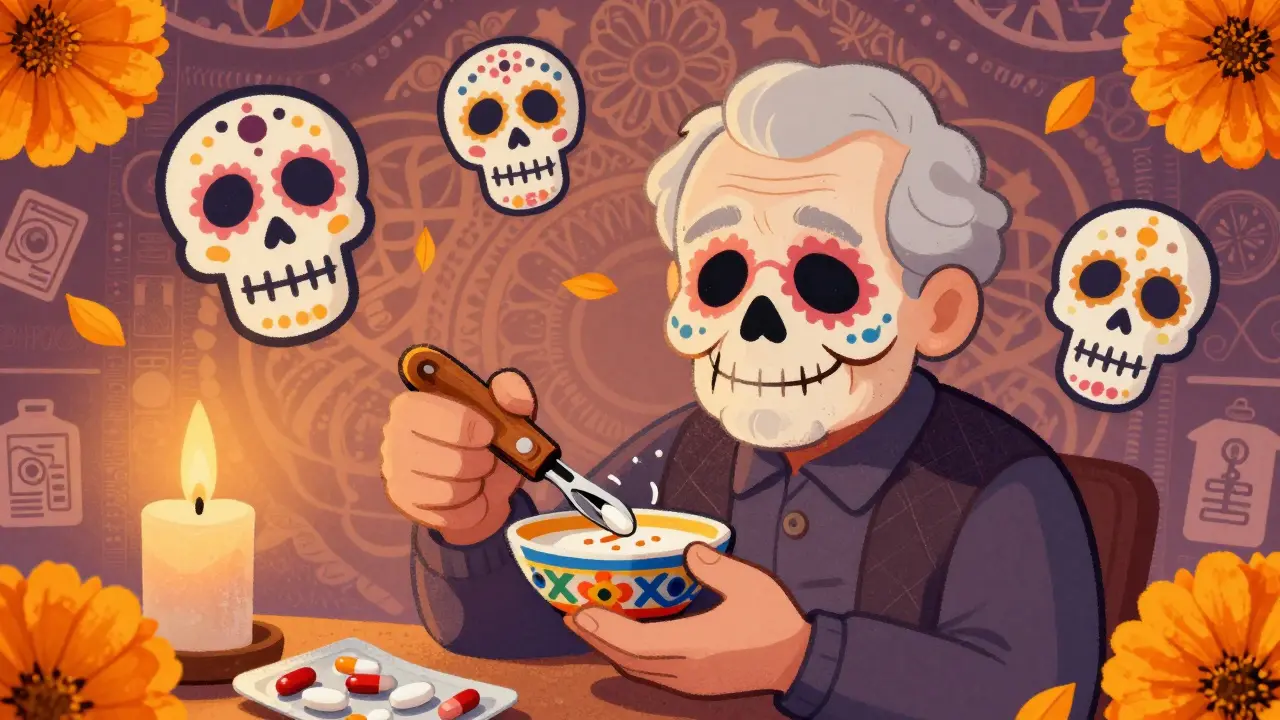
Pill Splitting Safety: Which Medications Are Safe to Split and Which Are Not
Learn which pills are safe to split for cost savings or easier swallowing-and which ones can be dangerous. Get clear guidelines on safe techniques, risky medications, and smarter alternatives.
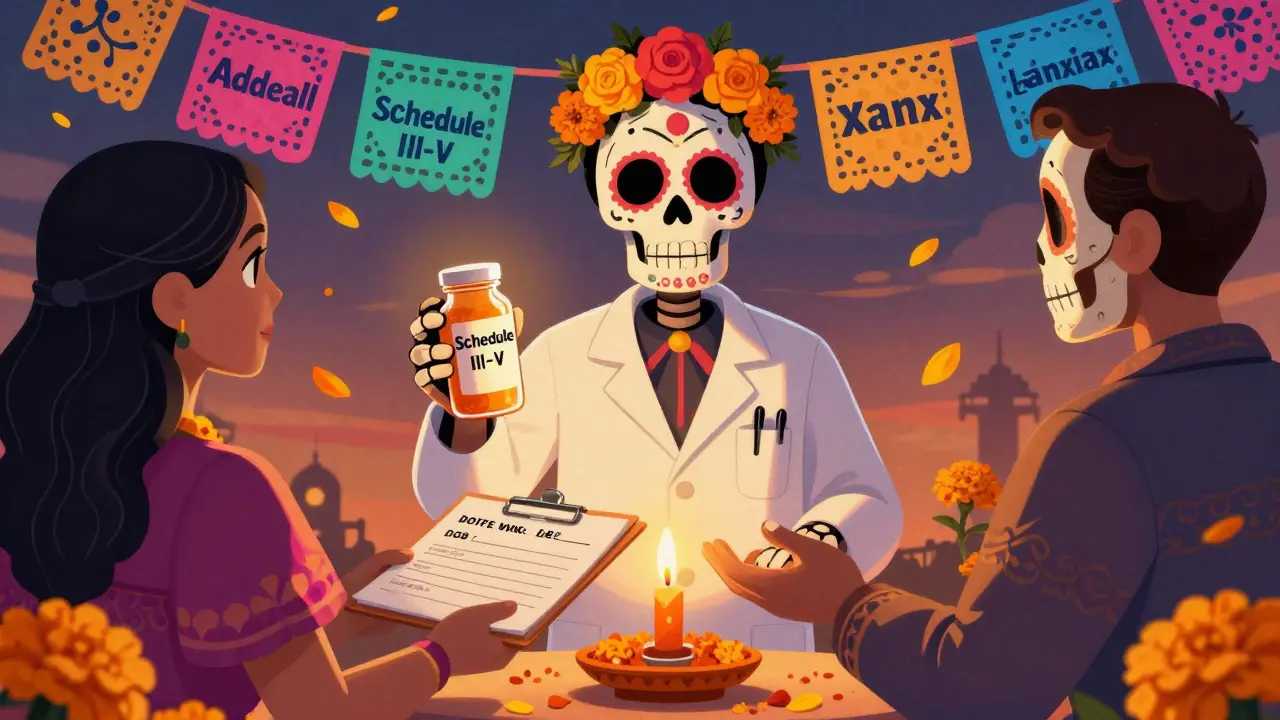
Switching Pharmacies: What Information You Need to Provide for Prescription Transfers
Switching pharmacies requires different steps depending on whether your meds are controlled substances. Learn exactly what info to provide, how DEA rules affect transfers, and how to avoid delays or denials.
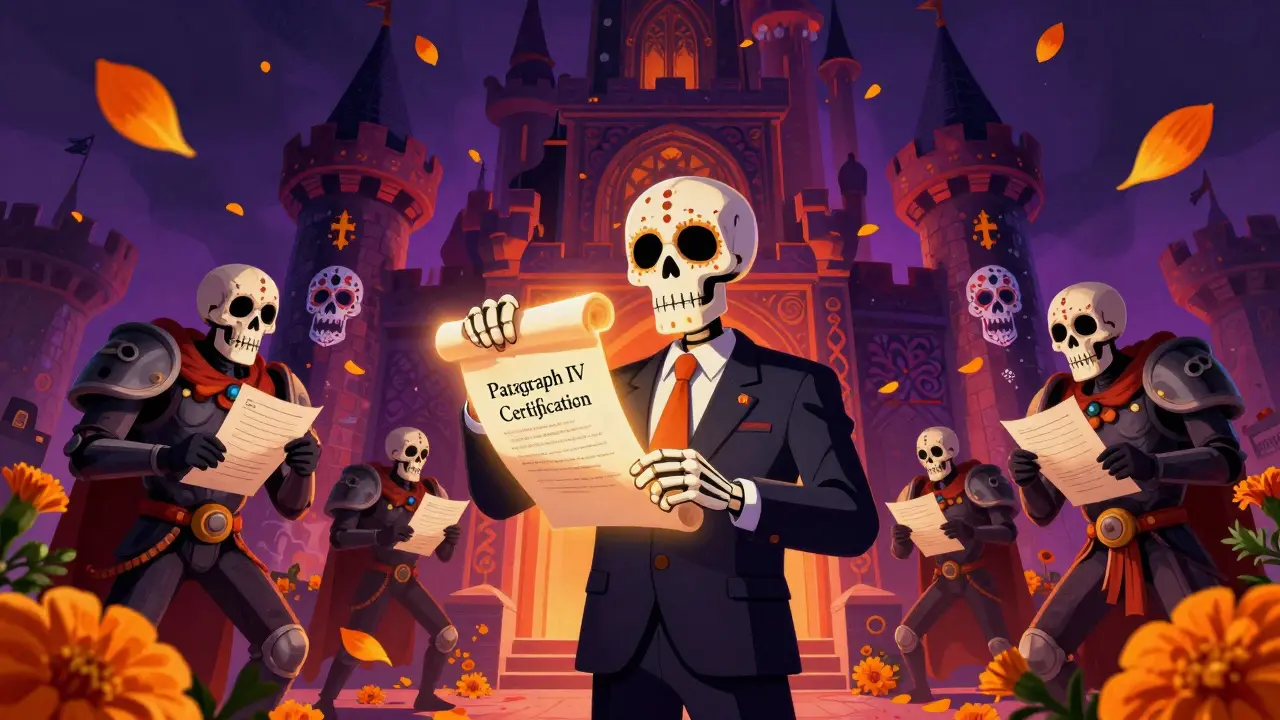
Paragraph IV Certifications: How Generic Drug Companies Challenge Patents Before Market Entry
Paragraph IV certifications let generic drug companies challenge brand-name patents before launch, speeding up affordable drug access. Learn how the Hatch-Waxman Act enables this system-and why it’s saving billions.
Therapeutic Equivalence: Are Authorized Generics Really the Same as Brand Drugs?
Authorized generics are the exact same drug as brand-name medications, made by the same company with identical ingredients. Learn why they're a safe, cost-effective alternative and how they compare to regular generics.
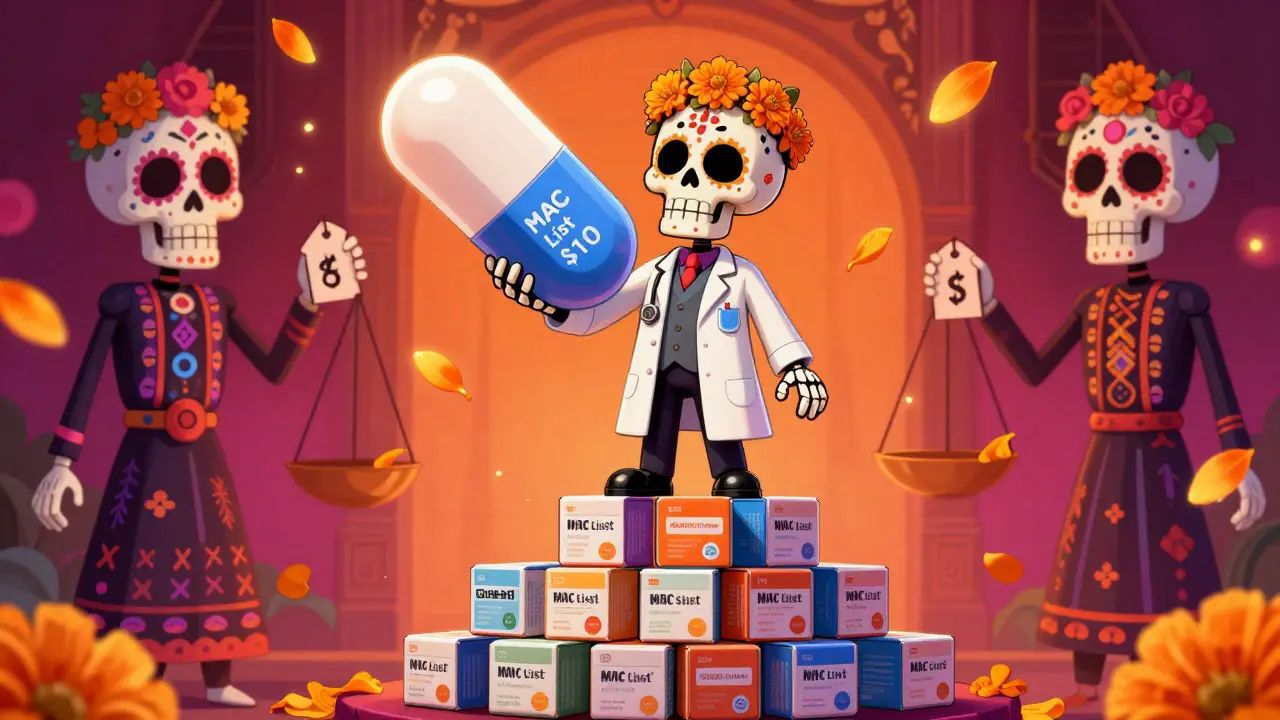
Medicaid Generic Drug Policies: How States Are Cutting Prescription Costs
States are using MAC lists, anti-gouging laws, and PBM transparency to control Medicaid generic drug costs. With 85% of prescriptions being generics, these policies save billions - but supply shortages and manufacturer exits threaten progress.
Understanding Drug Labels: A Complete Medication Label Breakdown
Learn how to read prescription and over-the-counter drug labels to avoid dangerous mistakes. Understand active ingredients, dosing, warnings, and what’s changing in 2026 for safer medication use.
How Pharmacists Verify Generic Equivalence: Practice Standards
Pharmacists use the FDA's Orange Book to verify that generic drugs are therapeutically equivalent to brand-name versions. This system ensures safe, legal substitutions that save billions while maintaining patient safety.
How to Compare Generic Manufacturers and Pill Appearance
Learn how to safely compare generic drug manufacturers and pill appearance, understand FDA standards, identify pills using imprints, and know when switching generics might affect your health - especially for high-risk medications.
When to Call Your Doctor After Switching to Generics: Warning Signs You Can't Ignore
Switching to generic meds saves money-but not always safely. Learn the warning signs that mean you need to call your doctor immediately, especially if you're on thyroid, blood thinner, or seizure meds.