When to Call Your Doctor After Switching to Generics: Warning Signs You Can't Ignore
 Jan, 9 2026
Switching from a brand-name drug to a generic version is supposed to save money-without sacrificing effectiveness. And for most people, it does. But for some, the switch triggers unexpected side effects or a drop in how well the medicine works. You might feel fine at first, then notice something off a week later: a rash, strange fatigue, or your old symptoms creeping back. That’s not normal. And it’s not something to wait out.
Why Do Some People React Differently to Generics?
Generic drugs contain the same active ingredient as their brand-name counterparts. That’s the part that actually treats your condition. The FDA requires generics to deliver the same amount of that ingredient into your bloodstream within a tight range-80% to 125% of the brand-name version. Sounds perfect, right? But here’s the catch: the inactive ingredients can be completely different.
These are the fillers, dyes, binders, and preservatives that hold the pill together or help it dissolve. They don’t treat your illness, but they can trigger reactions in sensitive people. One person might tolerate a generic version of sertraline just fine. Another might break out in hives, or feel nauseous all day. It’s not in their head. It’s chemistry.
And it’s not just about allergies. For certain drugs, even tiny changes in how quickly the active ingredient enters your system can make a big difference. These are called narrow therapeutic index (NTID) drugs. A little too much? You could have a dangerous reaction. A little too little? Your condition could flare up.
Which Drugs Are Most Likely to Cause Problems?
Not all generics are created equal when it comes to risk. Some drugs are fine to switch. Others? Proceed with caution.
- Levothyroxine (Synthroid): Used for hypothyroidism. Even small changes in absorption can throw off your thyroid levels. Studies show 15% of patients stabilized on brand-name levothyroxine saw their TSH levels go out of range after switching to generic. That means fatigue, weight gain, or heart palpitations can return.
- Warfarin (Coumadin): A blood thinner. Too much increases bleeding risk. Too little raises your chance of stroke. A 2020 study found patients switching to generic warfarin had higher rates of hospitalization for bleeding or clots.
- Lamotrigine (Lamictal): Used for epilepsy and bipolar disorder. Switching between generic versions has been linked to a 25% higher risk of seizures or mood episodes. One patient in a 2023 medical journal case study went from stable to hospitalized with mania after a generic switch.
- Phenytoin (Dilantin): Another seizure medication. Blood levels must stay between 10 and 20 mcg/mL. A small shift can mean the difference between control and a seizure.
- Sumatriptan (Imitrex): For migraines. One documented case involved a 54-year-old woman who started having daily migraines again after switching to generic-until she went back to the brand, and the headaches vanished.
On the flip side, drugs like metformin for diabetes and most statins show no meaningful difference between brand and generic in large studies. If you’re on one of those, you’re likely fine. But if you’re on any of the above, pay attention.
Warning Signs That Demand a Doctor’s Call
You don’t need to panic every time you feel a little off. But some symptoms are red flags. Call your doctor within 24 hours if you notice:
- A new skin rash, hives, or itching: This is the most common reaction after switching generics. In FDA reports, skin issues appear in 14.3% of adverse events linked to generic switches.
- Persistent nausea, vomiting, or diarrhea: If it lasts more than two days and isn’t tied to something else you ate or drank, it could be your body reacting to a new filler or dye.
- Unexplained fatigue or weakness: Especially if you’ve been feeling better on your old medication and suddenly feel drained.
- Your condition is coming back: Seizures returning, migraines worsening, thyroid symptoms reappearing, or blood pressure spiking after being controlled. This isn’t just bad luck-it could be the generic isn’t working the same way for you.
- Changes in mood or mental state: Depression, anxiety, or mania after switching a psychiatric medication like lamotrigine or sertraline. These aren’t "just in your head." There’s data showing these reactions happen more often than people realize.
Call 911 or go to the ER immediately if you experience:
- Swelling of the throat or tongue
- Difficulty breathing
- Sudden drop in blood pressure (dizziness, fainting, cold/clammy skin)
These are signs of anaphylaxis-a life-threatening allergic reaction. It’s rare, but it can happen with any new medication, including generics.
What to Do If You Suspect a Problem
If you’re worried, don’t stop your medicine cold. That could be dangerous. Instead:
- Write down exactly what changed: When did you switch? What symptoms started? How severe are they?
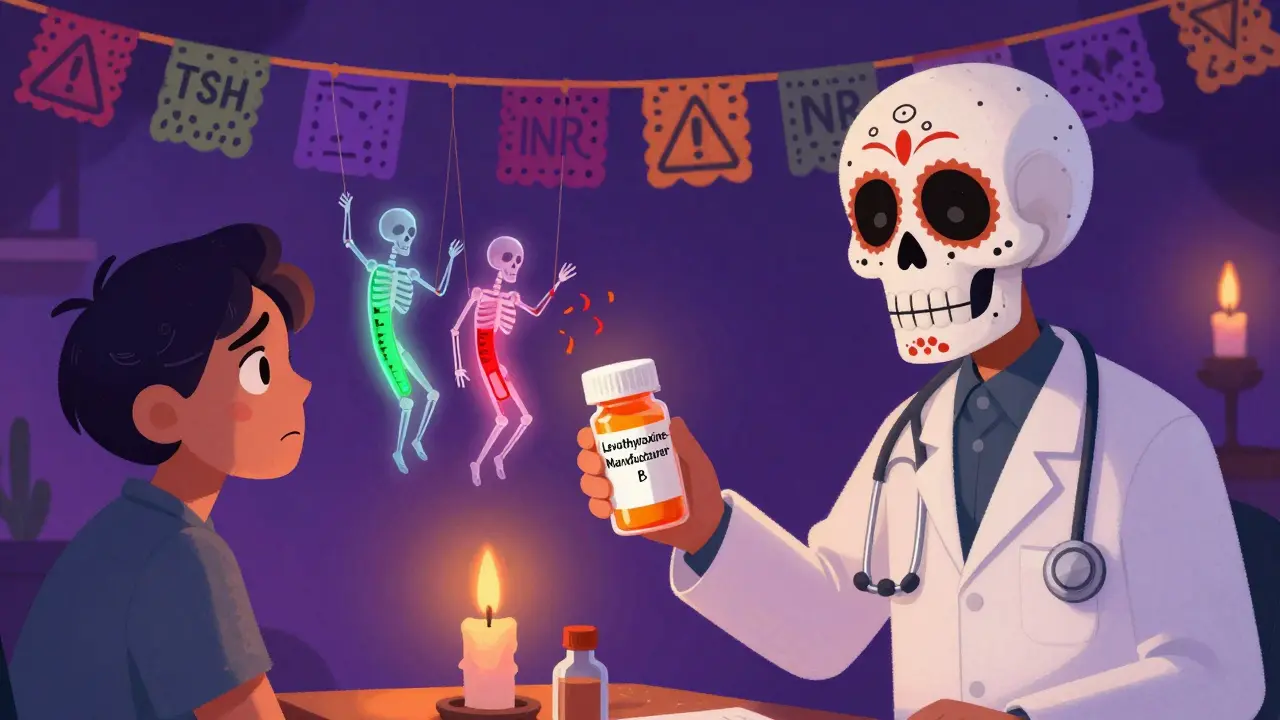
- Check your prescription bottle. Is the generic made by the same manufacturer as before? Sometimes, the same company makes both brand and generic, and switching between different generic makers can cause issues.
- Call your doctor. Say: "I switched to a generic and I’m having [symptom]. I’m concerned it might be related. Can we check my [TSH, INR, drug level] or switch me back?"
- Ask your pharmacist for the name of the manufacturer. Some pharmacists will let you know if you’re getting a different version than last time.
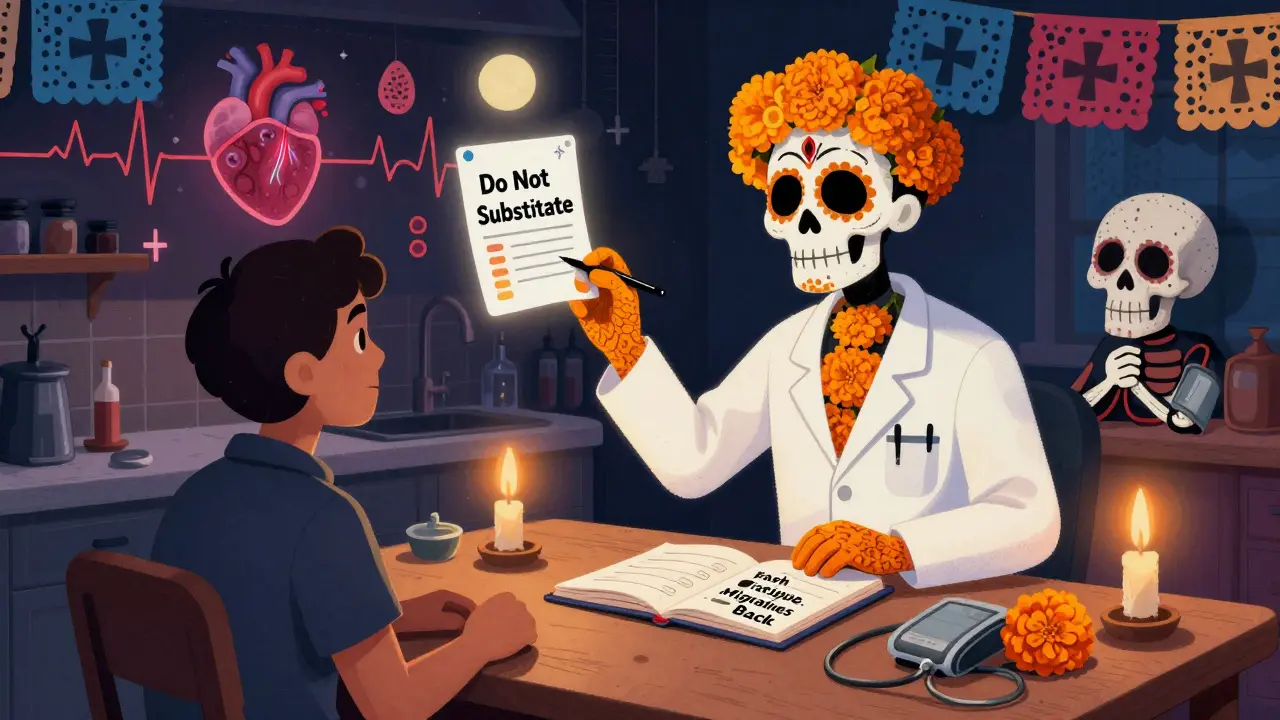
If your doctor agrees, they can write "Do Not Substitute" on your prescription. That means the pharmacy can’t swap your brand for a generic without calling them first. In 28 states, this is already required by law for NTID drugs like levothyroxine and warfarin.
Why This Isn’t Just "People Being Paranoid"
A lot of people think switching to generics is always safe because the FDA says so. And for most drugs, it is. But the FDA’s approval is based on population averages-not individual biology. What works for 90% of people might not work for you.
Studies show that 28% of patients report side effects after switching to generics-even though the science says they should be identical. That’s a huge gap between what the data says and what real people experience. It’s not about distrust in generics. It’s about recognizing that human bodies aren’t lab models.
Dr. Aaron Kesselheim from Harvard puts it simply: "For most medications, generics are perfectly fine. But for certain drugs with narrow therapeutic windows, even small variations can matter."
The FDA admits this too. Their own data shows spikes in adverse event reports after generic switches for specific drugs. And they’ve launched new programs using AI to catch potential issues before generics hit the market.
How to Protect Yourself Going Forward
You don’t have to avoid generics entirely. But you do need to be smart about it.
- If you’re on a high-risk drug (levothyroxine, warfarin, lamotrigine, etc.), ask your doctor before switching.
- Ask your pharmacist to use the same generic manufacturer each time. Consistency matters.
- Keep track of your lab values. If you’re on warfarin, monitor your INR. If you’re on levothyroxine, get your TSH checked 4-6 weeks after switching.
- Don’t assume your insurance will let you stay on brand. But if your doctor says it’s medically necessary, they can appeal. Many insurers approve exceptions for NTID drugs.
- Consider pharmacogenomic testing. Companies like Color Genomics now offer tests that analyze how your genes process certain drugs. This can help predict if you’re more likely to react to a specific generic formulation.
Switching to generics is a smart financial move-for most people. But your health isn’t a spreadsheet. If something feels off, trust your body. Don’t wait for symptoms to get worse. A quick call to your doctor could prevent a hospital visit-or worse.
Can generic drugs really be less effective than brand-name drugs?
For most medications, generics work just as well. But for drugs with a narrow therapeutic index-like levothyroxine, warfarin, and lamotrigine-small differences in how the body absorbs the drug can affect how well it works. Studies show some patients experience changes in thyroid levels, seizure control, or blood clotting after switching. It’s not common, but it happens often enough to warrant caution.
What should I do if I think my generic medication isn’t working?
Don’t stop taking it. Contact your doctor right away. Keep a log of your symptoms, when they started, and any changes in how you feel. Your doctor may order blood tests (like TSH for thyroid meds or INR for blood thinners) to check if your levels are off. They can then decide whether to switch you back to the brand-name version or try a different generic manufacturer.
Are generic drugs more likely to cause allergic reactions?
The active ingredient is the same, so allergies to that component won’t change. But generics can contain different inactive ingredients-like dyes, fillers, or preservatives-that some people are sensitive to. A rash, hives, or swelling after switching could be caused by one of these additives, not the medicine itself. If you’ve never had a reaction before, it’s worth mentioning to your doctor.
Can I ask my pharmacist to give me the same generic brand every time?
Yes. Ask your pharmacist to use the same manufacturer each time. Some pharmacies will honor this request, especially if you’ve had issues before. You can also ask your doctor to write "Dispense as Written" or "Do Not Substitute" on your prescription. In 28 states, this is legally required for high-risk medications.
Is it safe to switch back and forth between brand and generic?
Frequent switching between brand and generic-or between different generic manufacturers-is not recommended, especially for narrow therapeutic index drugs. Each switch introduces potential variability in absorption and effectiveness. Stability matters. If you’re stable on one version, staying on it is usually the safest choice.
Will my insurance cover the brand-name drug if the generic doesn’t work?
Often, yes. If your doctor provides documentation that the generic caused side effects or failed to control your condition, most insurers will approve a prior authorization for the brand-name version. This is especially true for drugs like levothyroxine and warfarin, where the medical necessity is well-documented.
Next Steps: What to Do Today
If you’re on a high-risk medication and switched to a generic in the last 30 days, check in with yourself:
- Have your symptoms returned or worsened?
- Do you have a new rash, nausea, or fatigue?
- Have you had any lab tests since the switch? Are your numbers still in range?
If you answered yes to any of these, call your doctor. Don’t wait. A simple blood test or a quick conversation could prevent a serious problem.
If you’re not on a high-risk drug, but you’ve noticed something off after switching-still mention it. Your experience matters. It helps doctors understand what’s really happening out there, beyond the clinical trials.
Generics saved billions in healthcare costs. But they shouldn’t cost you your health. Know the signs. Speak up. Your body knows when something’s wrong-even if the data says it shouldn’t.