Medication Errors: What They Are, Why They Happen, and How to Avoid Them
When you take a pill, you expect it to work—not to hurt you. But medication errors, mistakes in prescribing, dispensing, or taking drugs that lead to harm. Also known as drug errors, they’re one of the leading causes of preventable injury in hospitals and at home. These aren’t just about taking the wrong dose. They include switching to a generic version that doesn’t behave the same, mixing supplements with prescription drugs, or not knowing your body reacts badly to a drug because of your genes.
Narrow therapeutic index, a term for drugs where the difference between a safe dose and a dangerous one is tiny is a big reason why some generic switches go wrong. Drugs like warfarin, levothyroxine, cyclosporine, and tacrolimus fall into this category. A small change in how your body absorbs the drug can mean the difference between control and crisis—like organ rejection or a blood clot. That’s why 27 U.S. states have laws blocking automatic generic swaps for these meds. And it’s not just about where you live. Drug recalls happen because of poor manufacturing overseas. One contaminated batch can affect thousands.
Then there’s adverse drug reactions, harmful side effects that aren’t always predictable. Some people get dizzy on a drug that works fine for others. Why? Because of pharmacogenetic testing, a DNA test that shows how your body breaks down medications. Studies show using this test before prescribing cuts bad reactions by 30%. It’s not sci-fi—it’s already in use in clinics. And yet, most doctors still don’t order it. Meanwhile, everyday things like grapefruit juice, dairy, or evening primrose oil can turn a safe drug into a danger zone. Even a simple change in timing—taking a pill with food instead of on an empty stomach—can cause side effects or make the drug useless.
You don’t need to be a medical expert to protect yourself. You just need to ask the right questions. Did your pharmacist tell you if your generic was switched? Are you on any supplements that might interact with your prescriptions? Have you ever had a bad reaction to a drug before? Writing down your meds, including doses and times, and bringing that list to every appointment makes a huge difference. If you’re planning a pregnancy, reviewing your meds before conception isn’t optional—it’s critical. If you’re over 65, some common drugs like Benadryl or sleeping pills can trigger sudden confusion—medication-induced delirium—that looks like dementia but can be reversed if caught early.
This collection of articles dives into the real-world cases where medication errors happen—and how people stopped them. You’ll find stories about patients who almost lost their transplants because of a generic switch, seniors who avoided delirium by switching meds, and women who prevented birth defects by planning their drug use before pregnancy. You’ll learn which states block unsafe generic swaps, why some drugs get recalled, and how a simple DNA test could save your life. These aren’t theoretical warnings. They’re lessons from real people who’ve been there—and lived to tell the tale.
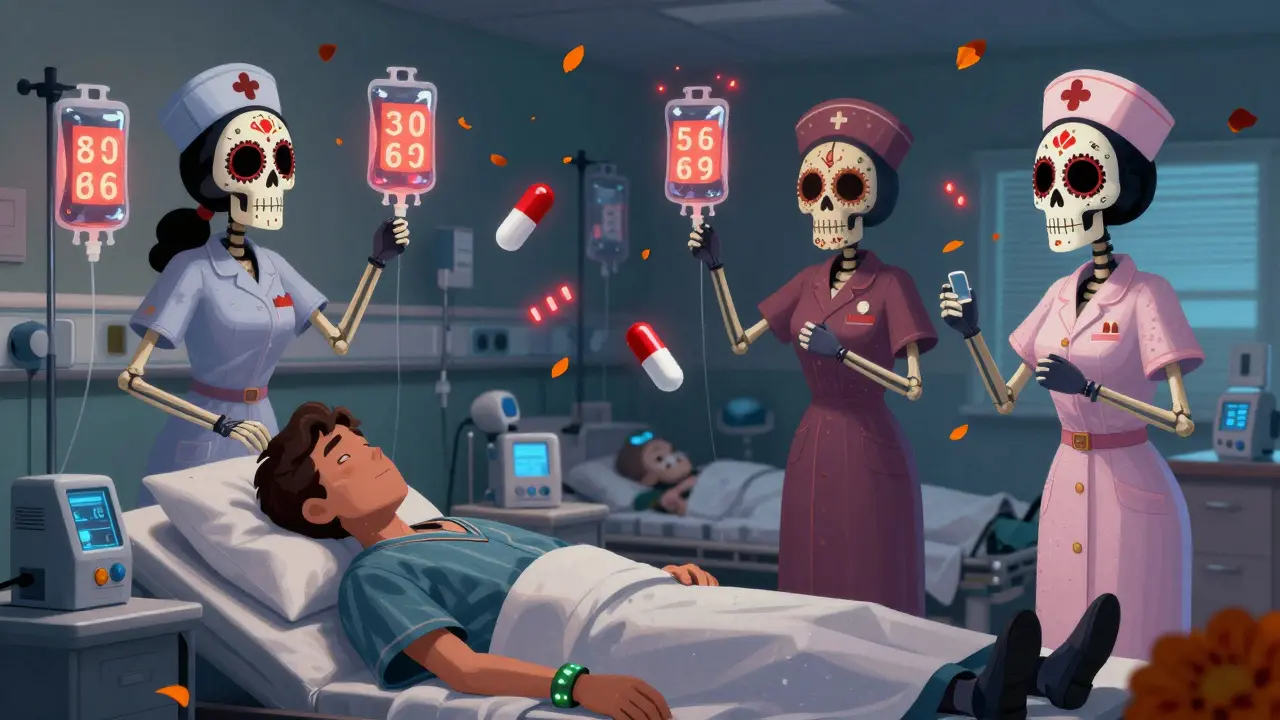
Medication Errors in Hospitals vs. Retail Pharmacies: What You Need to Know
Medication errors happen in both hospitals and retail pharmacies, but the causes, frequency, and consequences differ dramatically. Learn how these errors occur, why they’re dangerous, and what you can do to protect yourself.
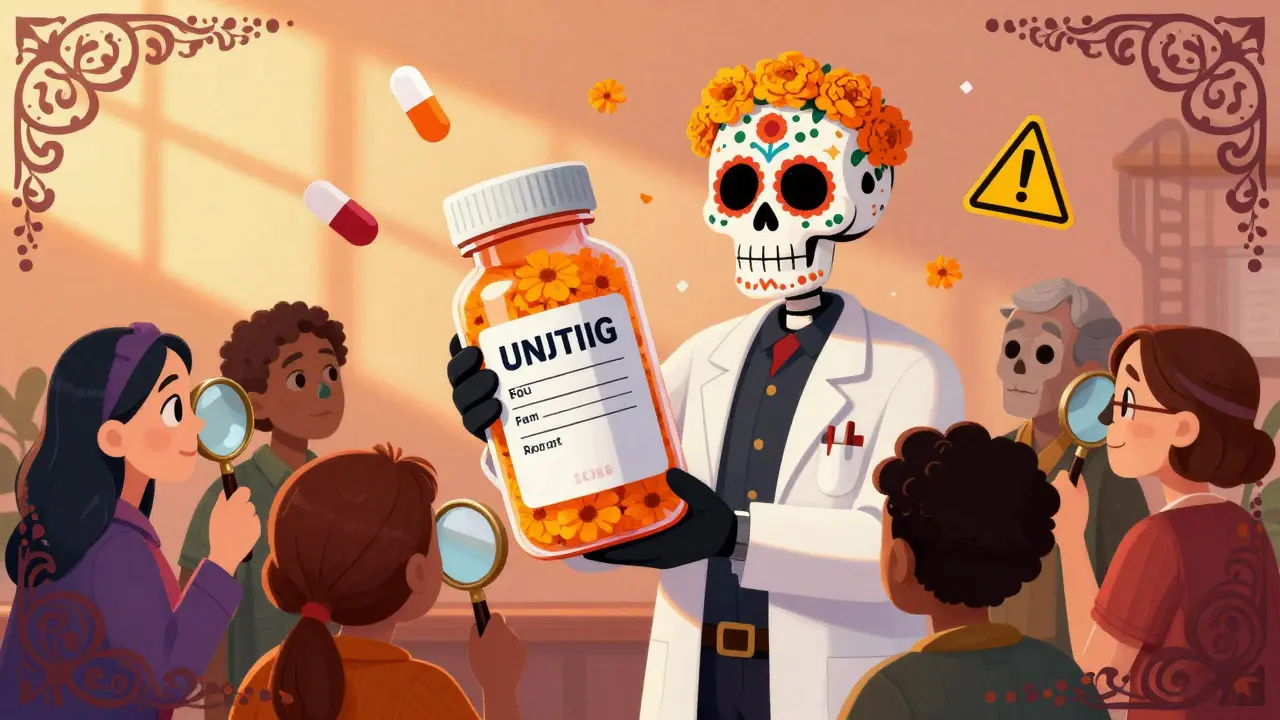
Understanding Drug Labels: A Complete Medication Label Breakdown
Learn how to read prescription and over-the-counter drug labels to avoid dangerous mistakes. Understand active ingredients, dosing, warnings, and what’s changing in 2026 for safer medication use.
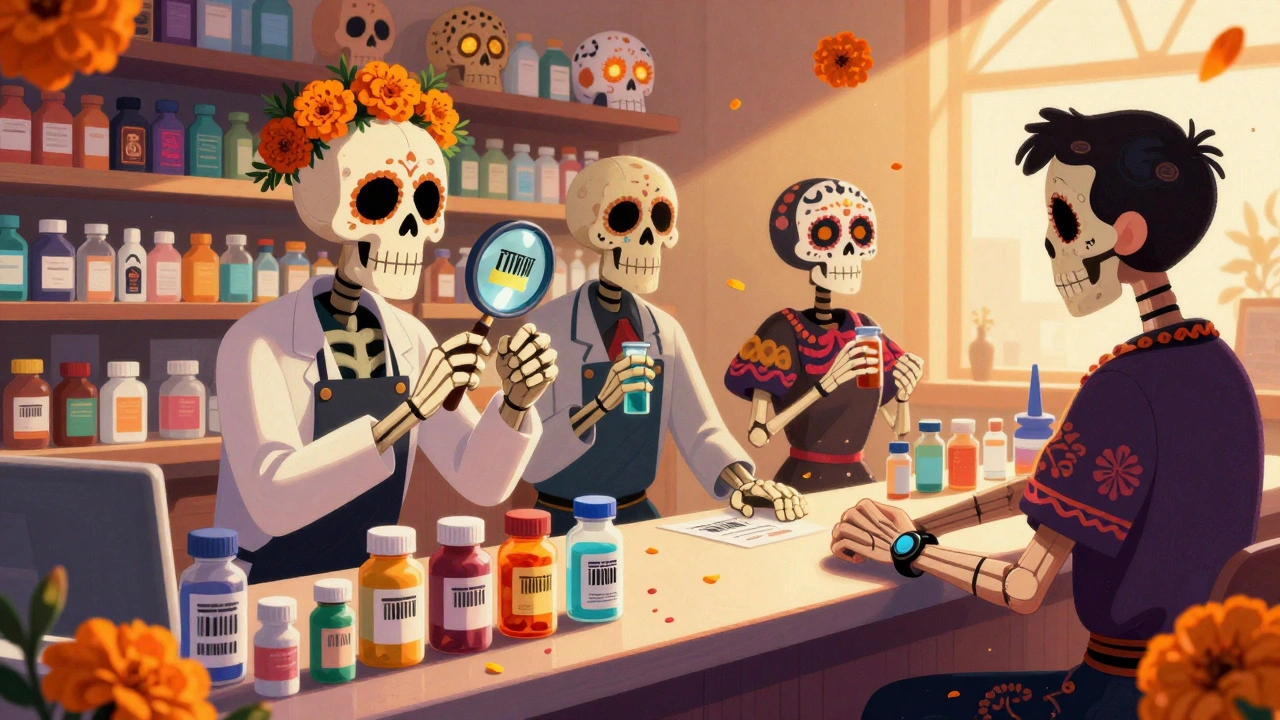
Common Pharmacy Dispensing Errors and How to Prevent Them
Dispensing errors in pharmacies happen more often than you think-1.6% of all prescriptions. Learn the most common mistakes, why they occur, and how proven systems like barcode scanning and double-checks can prevent them before they harm patients.
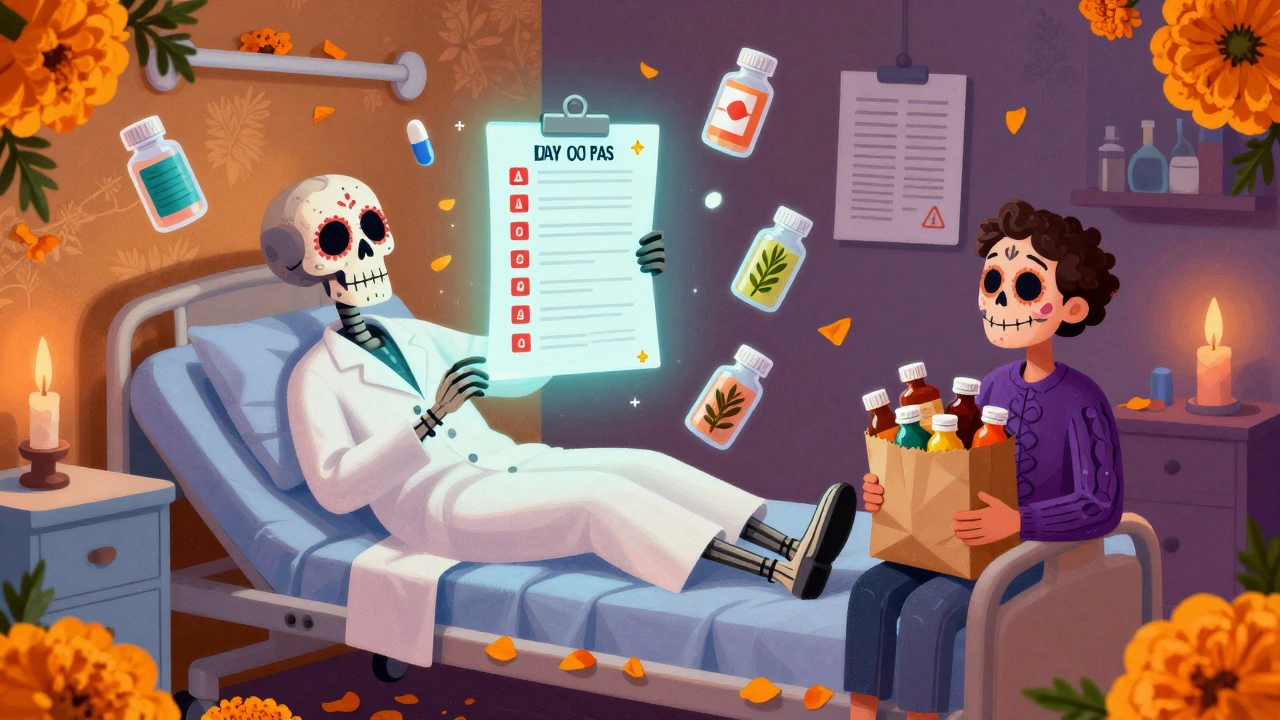
How to Prevent Medication Errors During Care Transitions and Discharge
Medication errors during care transitions are preventable but still happen in 60% of cases. Learn how medication reconciliation, pharmacist involvement, and better communication can stop these dangerous mistakes before they hurt patients.