Discharge Safety: What You Need to Know Before Leaving the Hospital
When you're discharged from the hospital, discharge safety, the process of ensuring patients leave with clear instructions, safe medications, and supported follow-up care. Also known as post-hospital transition planning, it's not just about getting a paper with dates and names—it's about preventing the next emergency. Too many people end up back in the ER because no one explained how to take their new drugs, what foods to avoid, or when to call for help. This isn’t rare—it happens every day, and often because the system moves faster than the patient can understand.
medication safety, the practice of using drugs correctly to avoid harm, especially when switching from hospital to home. Also known as drug management after discharge, it’s where things go wrong most often. Think about it: you might leave with three new pills, your old ones still in the bottle, and no one told you that grapefruit ruins your blood pressure med or that your new antibiotic clashes with your daily supplement. That’s not confusion—that’s risk. And it’s not just about forgetting a dose. It’s about dangerous interactions, like how immunosuppressants like cyclosporine and tacrolimus need exact dosing, or how generic switches can throw off your levels. One study found that nearly half of all readmissions within 30 days involve medication errors. You’re not alone if you’re overwhelmed.
hospital discharge, the formal process of releasing a patient from care, often with complex instructions and new responsibilities. Also known as transition of care, it’s supposed to be a handoff—but too often, it’s a drop-off. Nurses are stretched thin. Doctors are rushing. Paperwork piles up. And you’re expected to remember everything: when to take your pills, which symptoms mean trouble, who to call if you feel worse. That’s why discharge safety isn’t just a checklist—it’s a conversation you need to demand. Ask for a printed plan. Ask for a second explanation. Ask if your meds interact with anything you’re already taking. If you’re on NTI drugs like warfarin or levothyroxine, you need extra care—switching brands without warning can be dangerous. And if you’re older, or managing multiple conditions, the risks multiply. Delirium, falls, kidney stress, seizures—all can be triggered by a simple misstep in your new routine.
What you’ll find below are real stories and straight facts about what happens after you walk out the door. From how generic drug recalls affect your safety, to why food changes your meds, to how pharmacogenetic testing can stop bad reactions before they start. These aren’t theoretical guides—they’re tools for people who’ve been through it. You’re not just reading to learn. You’re reading to protect yourself. And that’s exactly why this matters.
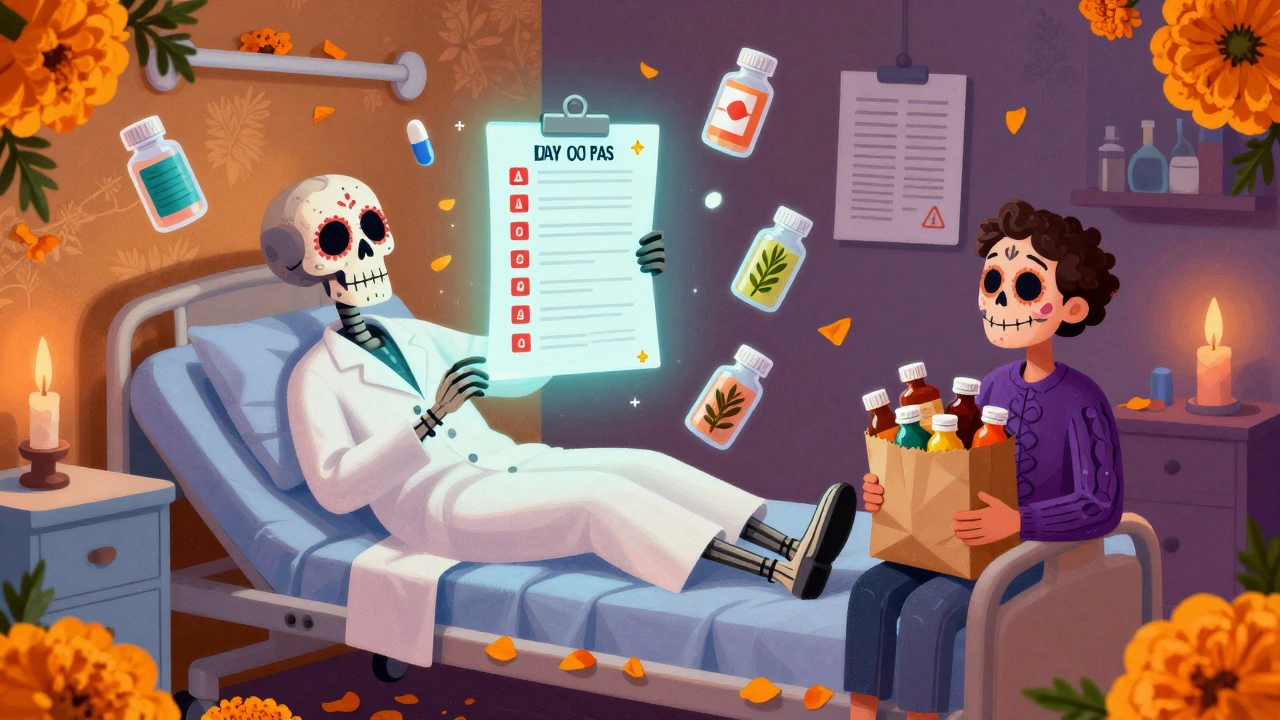
How to Prevent Medication Errors During Care Transitions and Discharge
Medication errors during care transitions are preventable but still happen in 60% of cases. Learn how medication reconciliation, pharmacist involvement, and better communication can stop these dangerous mistakes before they hurt patients.