Mail-Order Generics: Benefits and Hidden Risks of Home-Delivered Medications
 Dec, 15 2025
Buying your long-term medications through the mail isn’t just convenient-it’s become the norm for millions. If you’re on blood pressure pills, diabetes meds, or antidepressants, chances are your insurer pushes you toward a mail-order pharmacy. Why? Because it saves money. But behind the savings and the doorstep delivery, there are real risks most people never think about until something goes wrong.
Why Mail-Order Generics Are So Popular
Mail-order pharmacies started as a way to make life easier for people with chronic conditions. Instead of driving to the pharmacy every month, you get a 90-day supply shipped straight to your door. For many, that’s a game-changer. A 2022 IQVIA study found that 63% of people with high blood pressure and 58% of those with diabetes use mail-order services. That’s far higher than the 29% of the general prescription population. The biggest draw? Cost. Many insurance plans offer a $10 copay for a 90-day supply of generic meds-compared to $30-$50 for a 30-day supply at your local pharmacy. One user on GoodRx reported saving $45 a month on their blood pressure medication just by switching. For people on fixed incomes, that adds up fast. It’s not just about price, though. Automatic refills mean fewer missed doses. Studies from the National Institutes of Health show that people using mail-order services are more likely to stick with their meds long-term. That’s huge for conditions like heart disease, where skipping pills can lead to strokes or hospital stays.The Dark Side of Convenience
Here’s the catch: the system isn’t built to protect you. It’s built to maximize profit. Take pricing. A generic antidepressant might cost $12 at your neighborhood pharmacy. But the same pill, shipped through a mail-order service tied to your insurer, could be billed at $100. That’s an 800% markup. Brand-name drugs? Sometimes they’re marked up 35 times over retail. And you’re not even seeing the real price-your insurer pays it, and you only see the $10 copay. You think you’re saving. But the system is rigged to make money off the gap between what the drug costs and what it’s billed for. Then there’s the temperature problem. Medications like insulin, certain antibiotics, and even some thyroid pills need to stay between 68°F and 77°F during shipping. But a study in the Journal of the American Pharmacists Association found that only one-third of mail-order shipments meet that standard. In 2023, Reddit users reported insulin arriving melted after sitting in a hot mailbox for hours. The FDA logged over 1,200 reports of temperature-related medication failures between 2020 and 2023. That’s just the ones people reported. Most people don’t know their meds are ruined until they feel worse.When Delivery Fails, Health Risks Grow
You can’t just wait for your meds to show up. If your insulin or heart medication doesn’t arrive on time, you’re not just inconvenienced-you’re in danger. Trustpilot reviews show that 17% of negative experiences with mail-order pharmacies involve lost, damaged, or delayed packages. One woman in Texas missed her blood thinner refill because the package got stuck in transit. She ended up in the ER with a blood clot. Her insurer didn’t cover the hospital bill because she didn’t follow their “order early” rule. That’s the unspoken catch: mail-order pharmacies expect you to plan ahead. They’ll tell you to order your refill two weeks before you run out. But what if you’re sick? What if you’re traveling? What if your pharmacy’s automated system forgets to send your refill notice? For people without strong support systems, this isn’t convenience-it’s a trap.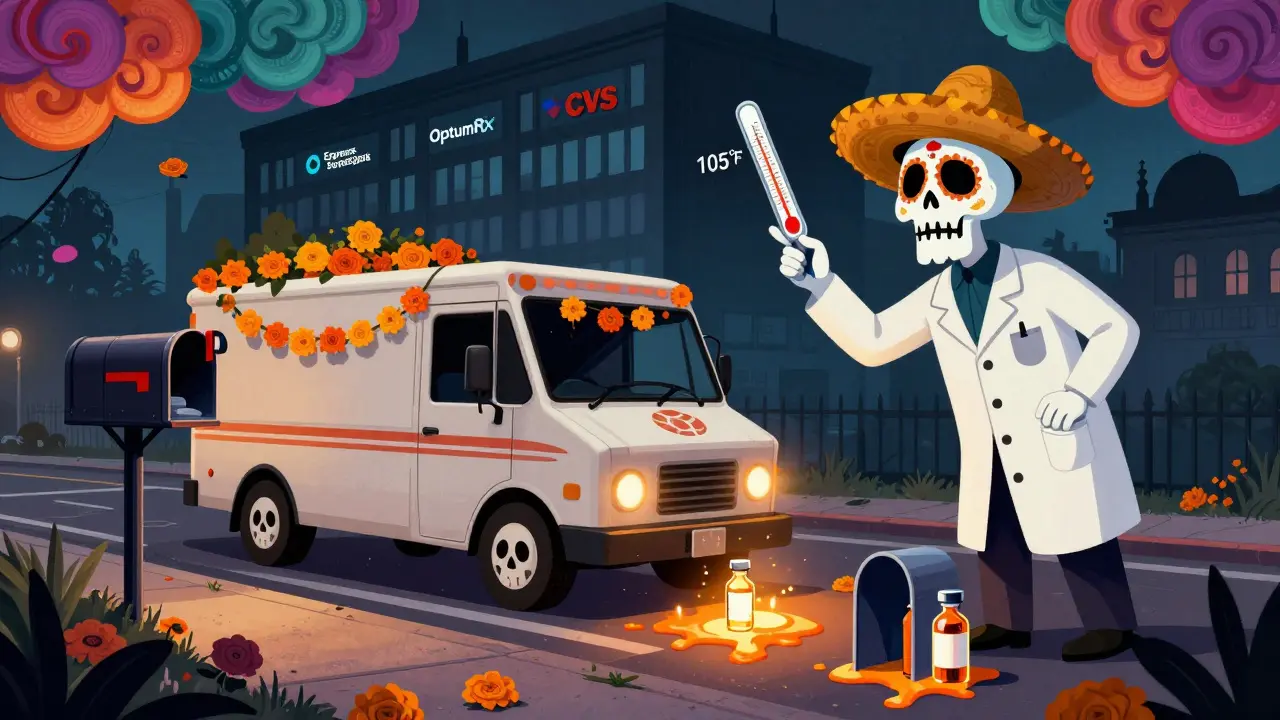
Are Generics Really the Same?
You’ve probably heard that generics are just as good as brand-name drugs. The FDA says so. And for most people, that’s true. But here’s what they don’t tell you: generics can look different. Same active ingredient? Yes. Same color, shape, taste, or packaging? Not always. That matters more than you think. A 2017 study in Pharmacoepidemiology and Drug Safety found that patients switching between different generic versions of the same drug-say, topiramate for seizures-were more likely to be hospitalized. Why? Because the pills looked different. They confused their meds. They stopped taking them. They got scared. For older adults or people with memory issues, this isn’t a small problem. It’s a safety hazard. One man in Florida told his pharmacist he’d been taking his epilepsy meds for years-until he switched to a new generic. He didn’t recognize the new pill. He thought it was a different drug. He skipped doses for weeks. His seizures returned.The Pharmacy That’s Never There
At your local pharmacy, the pharmacist asks: “Are you taking anything else?” “How’s your stomach been?” “Did you have any side effects?” At a mail-order pharmacy? You get a printed insert. Maybe a call if your refill is delayed. A 2023 Consumer Reports survey found that 68% of users worried about missing face-to-face consultations. That’s not just about politeness. Pharmacists catch dangerous drug interactions. They spot when a patient’s new blood pressure med is clashing with their old diabetes pill. They notice if someone’s taking too much acetaminophen and risk liver damage. Mail-order pharmacies don’t have that human layer. They’re automated. They’re efficient. And they’re not designed to prevent harm-they’re designed to fill orders.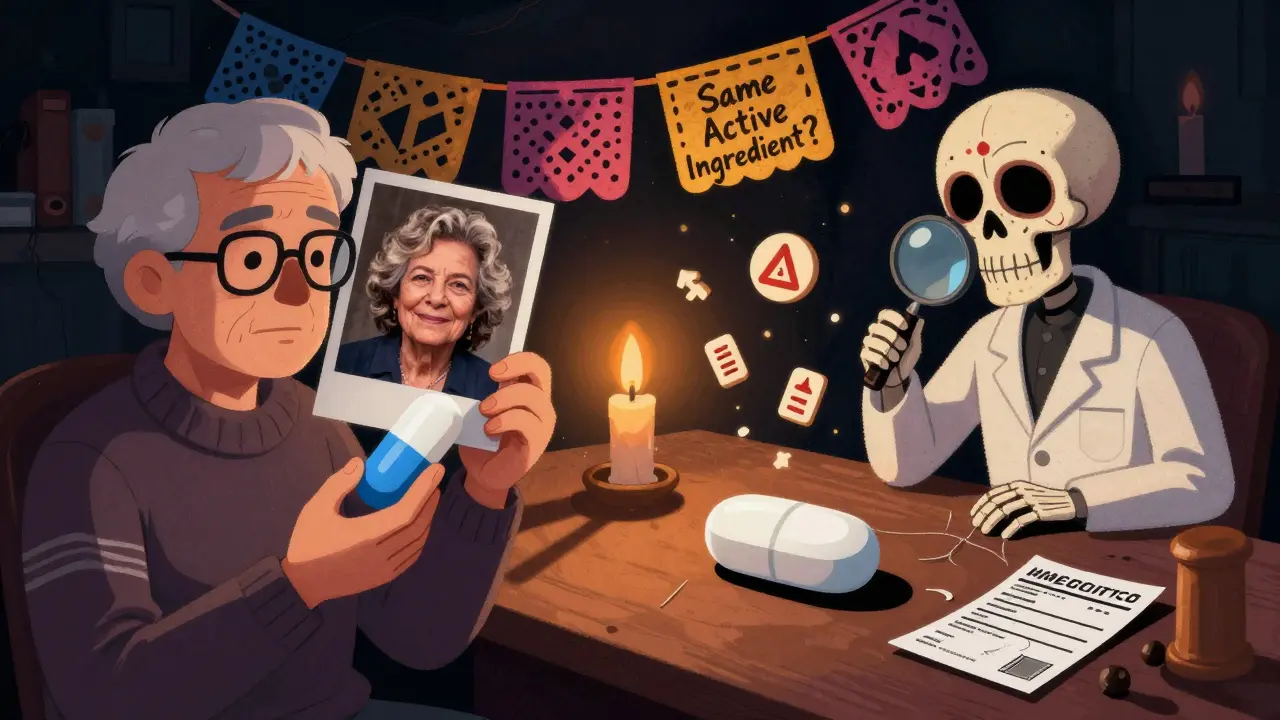
Who’s Really in Control?
The mail-order market is dominated by three companies: Express Scripts, CVS Caremark, and OptumRx. Together, they handle nearly 80% of all mail-order prescriptions in the U.S. These aren’t pharmacies you walk into. They’re profit engines owned by big insurance and healthcare conglomerates. Express Scripts was bought by Cigna for $67 billion. OptumRx is part of UnitedHealth. CVS Caremark belongs to CVS Health. Their job isn’t to help you. It’s to cut costs for their parent companies. That’s why they push 90-day supplies. That’s why they don’t always carry every generic-only the ones that give them the biggest rebate. That’s why they don’t fix the temperature problem: because it’s cheaper to ship meds in regular boxes than to use insulated packaging with cold packs.What You Can Do
You don’t have to accept this system as it is. Here’s how to protect yourself:- Always order early. Set a reminder two weeks before you run out. Don’t wait for a notice.
- Check your meds when they arrive. Look at the shape, color, and label. If it’s different from last time, call your pharmacist.
- Ask about temperature control. If you’re taking insulin or other sensitive meds, ask if they use cold packs. If they say no, switch providers.
- Compare prices. Use GoodRx or SingleCare to check what the same drug costs at your local pharmacy. Sometimes, the retail price is lower-even with insurance.
- Keep a backup. If you’re on a life-saving drug, keep a 7-day supply at home. Just in case.
- Use your local pharmacy for new or acute meds. Antibiotics, inhalers, or pain meds after surgery? Get them in person. Don’t risk delays.
The Bigger Picture
Mail-order generics were meant to help. And for many, they do. But the system has been hijacked. It’s no longer about access-it’s about profit. The proposed Pharmacy Delivery Safety Act (H.R. 4892) could change that. It would require temperature monitoring, clearer labeling, and transparency in pricing. But it’s still stuck in committee. Until then, you’re the only one looking out for you. Don’t assume your insurer has your best interests at heart. Don’t assume your meds are safe just because they arrived. And don’t let convenience blind you to the risks. Your health isn’t a line item in a corporate balance sheet. It’s your life. Treat it that way.Are mail-order generics safe?
For most people taking chronic medications, yes-but only if you take precautions. The FDA says generics are as safe as brand-name drugs. But problems arise from shipping conditions, lack of pharmacist oversight, and inconsistent packaging. Always check your pills when they arrive and keep a short-term backup supply.
Why are mail-order prescriptions cheaper?
They’re not always cheaper for you. The low copay ($10 for a 90-day supply) comes from bulk purchasing and rebates between insurers and pharmacy benefit managers. But the actual cost to the system can be much higher-sometimes 800% over retail. You’re not paying the full price, but your insurer is, and that drives up premiums over time.
Can I get insulin through mail-order?
Yes, but with major risks. Insulin is sensitive to heat and can lose potency if shipped without cold packs. Documented cases show insulin arriving melted in summer heat. If you use mail-order for insulin, insist on temperature-controlled packaging and always test your blood sugar more often after a new shipment. Keep a 7-day supply on hand.
What if my meds arrive damaged or wrong?
Contact the pharmacy immediately and ask for a replacement. Save the packaging and any damaged pills as evidence. If you took the wrong medication or it was ineffective, see your doctor right away. Report the incident to the FDA’s MedWatch program. Don’t wait until you feel worse.
Should I use mail-order for all my medications?
No. Mail-order is best for stable, long-term meds like blood pressure, cholesterol, or diabetes pills. For antibiotics, pain meds, inhalers, or new prescriptions, use your local pharmacy. You need to talk to a pharmacist in person when starting a new drug or adjusting your regimen.
How do I know if my mail-order pharmacy is reputable?
Check if they’re licensed in your state and accredited by the National Association of Boards of Pharmacy (NABP). Look for the VIPPS seal (Verified Internet Pharmacy Practice Sites). Avoid pharmacies that don’t require a prescription or offer “too-good-to-be-true” prices. If it’s not tied to your insurer or a major pharmacy chain, proceed with caution.
Sarthak Jain
December 16, 2025 AT 23:38man i just got my 90-day supply of metformin last week and the pills looked totally different - lighter yellow, smaller, no imprint. i called my doc and they said it’s still the same generic but i swear i felt weird for 3 days. maybe it’s placebo but my body remembers these things. also, no cold pack in the box. it was 90° outside. 🤔
Jonny Moran
December 17, 2025 AT 08:37as someone who’s been on lisinopril for 12 years, i get the convenience but i’ve switched back to local for my refills. the pharmacist knows my history, checks for interactions, and once caught me mixing ibuprofen with my BP med before i even realized it. that human touch? priceless. mail-order feels like ordering socks from Amazon - you get ‘em, but you don’t know if they’ll fit right.
Daniel Wevik
December 18, 2025 AT 20:32the PBM (pharmacy benefit manager) model is a classic rent-seeking racket. they negotiate rebates with manufacturers, then pass the savings to insurers, but you never see the real price. the $10 copay is a bait-and-switch. the actual cost is buried in your premiums. and don’t get me started on how they cherry-pick generics based on rebate size, not clinical efficacy. this isn’t healthcare - it’s financial engineering dressed in white coats.
Rich Robertson
December 20, 2025 AT 14:17my grandma’s on insulin and got a shipment that arrived melted last summer. she didn’t notice until her BG spiked to 480. she didn’t report it because she didn’t know how. the system fails people like her every day - elderly, isolated, tech-illiterate. we talk about convenience but forget that for some, ‘convenient’ means ‘deadly.’
Dwayne hiers
December 21, 2025 AT 11:38temperature control is the most overlooked risk. insulin, levothyroxine, nitroglycerin - all are thermolabile. the FDA’s 1,200 reported cases are the tip of the iceberg. most patients don’t test potency. they just assume it works. there’s no legal requirement for temperature logging or consumer notification. this needs to be regulated like food shipping. the current model is negligent.
jeremy carroll
December 21, 2025 AT 20:56sooo true. i switched to mail-order to save cash and now i’m stuck with a pharmacy that sends me pills in a plain brown box with no info. last month i got a pill that looked like a candy. i thought i was hallucinating. called the pharmacy and they said ‘oh that’s the new generic.’ no warning. no heads up. just… here’s your new life-saving drug. thanks for the trust.
Daniel Thompson
December 23, 2025 AT 17:10you’re all missing the point. this isn’t about convenience or pricing. it’s about the erosion of professional accountability. pharmacists used to be gatekeepers. now they’re order processors. the moment you outsource care to a warehouse, you outsource responsibility. and when your meds fail, who do you sue? the algorithm? the shipping clerk? the system is designed to absolve everyone.
Alexis Wright
December 25, 2025 AT 02:56let’s be real - this is capitalism’s finest scam. Big Pharma owns the PBM’s, the PBM’s own the insurers, and the insurers own your health. they profit from your illness. they profit from your confusion. they profit from your delayed refills. they profit from your ER visits. they profit from your death. and you’re still thanking them for the $10 copay. wake up. you’re not a patient. you’re a revenue stream.
Natalie Koeber
December 25, 2025 AT 16:42did you know the government secretly lets these companies ship meds in unregulated containers? they’re not even required to label if the drug is temperature-sensitive. and the ‘VIPPS’ seal? total scam. i checked 3 ‘accredited’ mail-order sites - one was registered to a guy’s garage in Ohio. another had a PO box in Belize. this is all a front. the FDA is asleep. the CDC is bought. they don’t want you to know how broken this is.
Thomas Anderson
December 27, 2025 AT 08:04just keep a 7-day backup. seriously. i keep my blood thinner in a little ziplock in my nightstand. if the mail’s late, i’m not scrambling. also, if your meds look weird? call your local pharmacy and ask them to compare the pill imprint. they’ll do it for free. no need to panic - just check.
Wade Mercer
December 27, 2025 AT 20:54people who use mail-order are just lazy. if you can’t drive to the pharmacy once a month, maybe you shouldn’t be managing your own meds. this isn’t a right - it’s a privilege earned by responsibility. you want convenience? pay full price. don’t expect the system to fix your bad habits.
Tim Bartik
December 28, 2025 AT 01:42americans be like: ‘oh no my insulin melted’ - bro, you live in a country where we ship pizza in 30 minutes but can’t send a pill without it turning to soup. we got rockets going to mars but our meds get left in a mailbox like last week’s Amazon box. this is a national disgrace. fix the damn system or stop pretending we care about health.
Sinéad Griffin
December 28, 2025 AT 17:22just got my meds today and guess what? 🥶❄️ cold pack inside!! 🎉 thank u so much for caring!! i cried. my insulin was fine. i’m so proud of my pharmacy now. 🫶 #mailorderwin #insulinhero
Edward Stevens
December 30, 2025 AT 08:51so let me get this straight - you’re mad that a system designed to save you money and time is… saving you money and time? the real villain here is the $10 copay? what if the alternative was $50? or $100? maybe we should all just go back to driving 45 minutes every 30 days to get our pills? genius.
Rulich Pretorius
December 31, 2025 AT 21:08the real tragedy isn’t the shipping or the pricing - it’s the normalization of disconnection. we’ve turned medicine into logistics. We’ve replaced the pharmacist’s question - ‘how are you feeling?’ - with a barcode scan. We’ve forgotten that healing isn’t transactional. It’s relational. Until we rebuild that human bridge, no amount of cold packs or VIPPS seals will fix what’s broken.