Immunosuppressants: Cyclosporine and Tacrolimus Generic Issues
 Dec, 1 2025
When you’ve had a kidney, liver, or heart transplant, your life changes in ways most people never think about. One of those changes? The daily pill you take to keep your body from rejecting the new organ. For most transplant recipients, that pill is either tacrolimus or cyclosporine. Both are powerful drugs, both work in similar ways, and both are now mostly available as generics. But here’s the catch: switching from brand to generic-or between different generic brands-can be risky. Not because the generics are fake. But because even tiny differences in how they’re made can throw your drug levels off balance. And when your drug levels are off, your body might reject the transplant.
Why These Drugs Are So Sensitive
Tacrolimus and cyclosporine aren’t like your average blood pressure or cholesterol pills. They fall into a category called narrow therapeutic index (NTI) drugs. That means the difference between a dose that works and a dose that’s dangerous is very small. For tacrolimus, the target range in your blood is usually between 5 and 15 ng/mL, depending on how long you’ve had your transplant. Go below 5, and your immune system might attack the new organ. Go above 15, and you risk kidney damage, tremors, or even seizures.
Cyclosporine is even trickier. Its therapeutic range is wider-100 to 200 ng/mL-but that doesn’t make it safer. It’s harder to absorb consistently from the gut, and small changes in your stomach acid, what you ate, or even the time of day you take it can swing your levels by 30% or more. That’s why transplant centers used to stick with the brand-name version: Neoral for cyclosporine, Prograf for tacrolimus. They knew what they were getting.
What Happens When You Switch Generics
By 2023, over 92% of tacrolimus and cyclosporine prescriptions in the U.S. were generic. That’s because insurance companies and Medicare Part D pushed hard for cost savings. Brand Prograf could cost $1,200 a month. Generic tacrolimus? Around $300. Same with cyclosporine-$800 for Neoral, $150 for the generic. For many patients, that’s the difference between being able to afford the drug or not.
But here’s what’s not often told: not all generics are made the same. There are 14 FDA-approved generic versions of tacrolimus from eight different manufacturers. Each one uses slightly different inactive ingredients-fillers, coatings, oils. For a drug like tacrolimus, which needs to be absorbed just right, those tiny differences matter. A 2022 survey of transplant centers found that 73% of them had seen patients’ drug levels change after switching between different generic brands. Some patients went from stable to rejection in weeks.
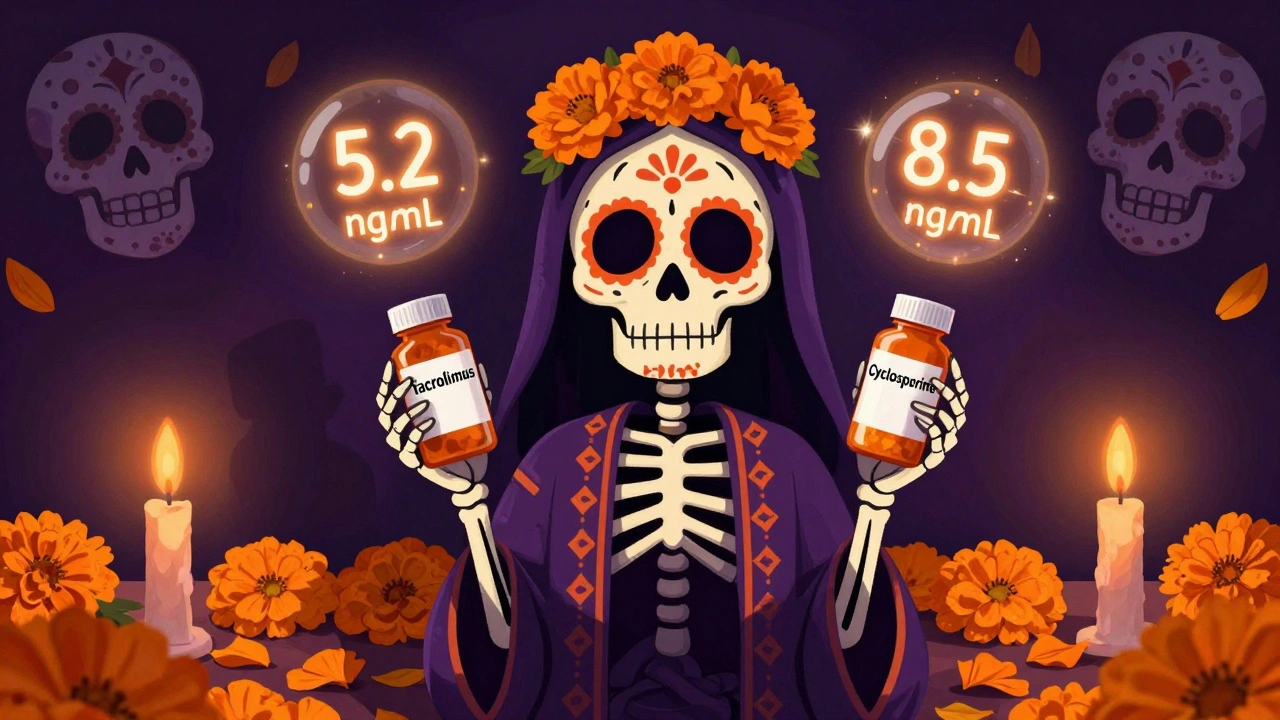
One Reddit user, u/KidneyWarrior, shared how their tacrolimus level dropped from 8.5 to 5.2 after switching to a new generic. They ended up in the hospital with a mild rejection episode. Another user, u/OrganRecipient99, said their nephrologist won’t let them try any generic cyclosporine because the first one they tried made their levels swing wildly.
Why Tacrolimus Won Over Cyclosporine
Even before generics became common, tacrolimus started replacing cyclosporine in most transplant centers. Why? Because it just works better. A landmark 2005 study showed that patients on tacrolimus had less than half the rate of acute rejection compared to those on cyclosporine. Two years after transplant, their kidney function was significantly better. By 2023, 98.7% of new kidney transplant patients in the U.S. started on tacrolimus. Cyclosporine is now mostly used when someone can’t tolerate tacrolimus-like if they develop post-transplant diabetes, which happens nearly five times more often with tacrolimus.
But here’s the irony: tacrolimus is the drug that’s now more likely to be switched to a generic. And because it’s more potent (you take 20 to 100 times less of it than cyclosporine), even a small change in absorption can have a big effect. A 5% difference in how much of the drug enters your bloodstream? For cyclosporine, that might be manageable. For tacrolimus? That could push you out of the safe range.
The Real Cost of Saving Money
Yes, generics save money. A lot of it. But the savings aren’t always clean. A 2022 survey of 1,247 transplant patients found that 42.7% noticed new side effects after switching to generic tacrolimus. Nearly 1 in 5 needed a dose adjustment. And while some patients, like one user on HealthUnlocked, had no issues and saved $900 a month, others had hospital visits, biopsies, and months of unstable levels.
Medicare and private insurers don’t track these outcomes. They just see lower drug costs. But transplant centers do. Many now have strict rules: once you’re on a specific generic brand, you stay on it. No switching unless absolutely necessary. Some centers even sign contracts with pharmacies to supply only one generic manufacturer-so patients never get shuffled between brands.
What You Can Do to Stay Safe
If you’re on tacrolimus or cyclosporine, here’s what you need to know:
- Don’t switch generics without telling your transplant team. Even if your pharmacy says it’s the same drug, it might not be.
- Get your blood levels checked more often after any switch. Weekly for the first month, then every two weeks for the next two months. Don’t wait for symptoms.
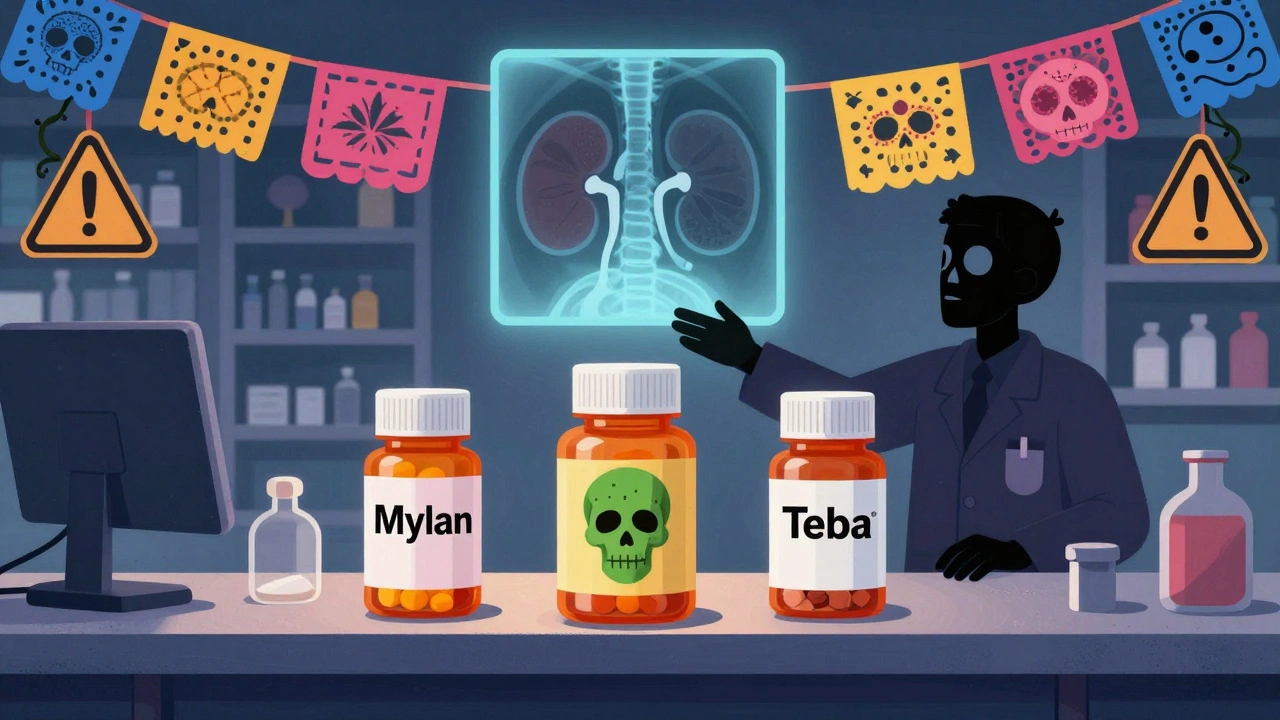
- Stick with the same generic brand. If you’re on the Mylan version, stay on it. Don’t let your pharmacy swap you for the Teva version without checking with your doctor.
- Avoid grapefruit. It messes with how your body breaks down both drugs. Same with St. John’s Wort, certain antibiotics, and antifungals.
- Take your pill at the same time every day. Within one hour. Even small timing changes can affect absorption.
Some patients ask, “Why can’t the FDA just make all generics the same?” The answer? It’s not that simple. The FDA approves generics based on studies done in healthy volunteers-not transplant patients with damaged organs, altered digestion, and complex drug interactions. A 2024 European Medicines Agency guideline now requires new generic studies to use actual transplant patients. That’s a step forward. But in the U.S., it’s still not required.
The Future: Better Options on the Horizon
There’s hope. In late 2023, Astellas got FDA approval for a new extended-release version of tacrolimus called LCP-tacrolimus. It releases the drug slowly, smoothing out those peaks and valleys in blood levels. That could mean fewer fluctuations, fewer switches, and more stability-even with generics.
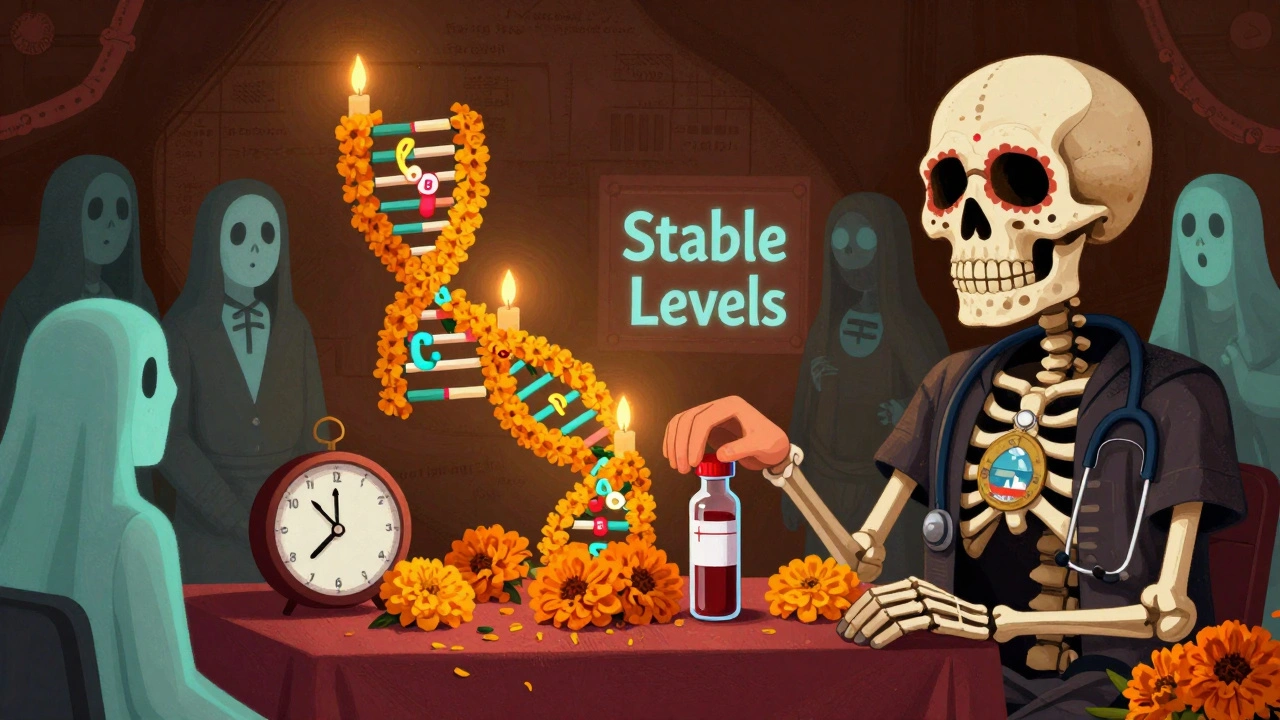
Another big development? Genetic testing. About half of people have a gene variant (CYP3A5) that makes them break down tacrolimus faster. If you’re one of them, you need a higher dose. A 2023 study in JAMA Internal Medicine found that using genetic testing to guide dosing cut the time to reach stable levels by 63%. More transplant centers are starting to offer this. Ask your doctor if it’s an option.
The International Transplant Society summed it up in their 2024 statement: “Generic immunosuppressants save money, but their narrow therapeutic index demands careful, individualized management.”
Cost savings matter. But not at the cost of your new organ. The goal isn’t just to survive after transplant. It’s to thrive. And that means making smart, informed choices about your meds-even if your insurance wants you to switch.
Can I switch between different generic brands of tacrolimus without problems?
No, switching between different generic brands of tacrolimus can cause dangerous changes in your blood levels. Even though they’re all approved by the FDA, each generic uses different inactive ingredients that affect how your body absorbs the drug. Many transplant patients have experienced rejection or toxicity after switching brands. Always talk to your transplant team before switching, and get your drug levels checked more often after any change.
Why is tacrolimus more risky than cyclosporine when switching generics?
Tacrolimus works at much lower doses-20 to 100 times less than cyclosporine. That means even a small change in how much of the drug gets into your bloodstream can push you out of the safe range. A 5% difference in absorption might be harmless with cyclosporine, but with tacrolimus, it could mean the difference between a stable level and a rejection episode. Its narrow therapeutic window makes it more sensitive to formulation differences.
Should I avoid generic immunosuppressants altogether?
No. Generics are safe and effective when used correctly. The problem isn’t generics themselves-it’s switching between them or using inconsistent brands. Many patients take generic tacrolimus or cyclosporine for years with no issues, especially if they stick with the same manufacturer and get regular blood tests. The key is consistency and monitoring, not avoiding generics entirely.
How often should I get my blood levels checked after switching to a generic?
After switching to any new generic version, your transplant team will likely recommend weekly blood tests for the first month. After that, check every two weeks for the next two months. Once your levels are stable for 2-3 months, you can usually return to your regular schedule. Never skip these tests after a switch-even if you feel fine.
What should I do if my pharmacy switches my generic without telling me?
Call your transplant center immediately. Ask them to flag your prescription so your pharmacy can’t switch brands without their approval. Also, check your pill bottle every time you refill it. If the color, shape, or imprint looks different, don’t take it without calling your doctor. Many patients don’t realize they’ve been switched until they start feeling unwell.
Are there any foods or supplements I should avoid with these drugs?
Yes. Grapefruit and grapefruit juice can raise your drug levels dangerously high. St. John’s Wort can lower them, increasing rejection risk. Avoid certain antibiotics like erythromycin and antifungals like ketoconazole unless your doctor says it’s safe. Always check with your transplant pharmacist before starting any new supplement, herb, or over-the-counter medicine.
Is genetic testing for tacrolimus dosing available and worth it?
Yes, and it’s becoming more common. About half of people have a gene variant (CYP3A5) that makes them metabolize tacrolimus faster. If you’re one of them, you need a higher starting dose. Genetic testing can help your doctor get you to the right dose faster, reducing the time spent with unstable levels. A 2023 study showed it cut the time to stable dosing by 63%. Ask your transplant team if they offer this test.
What’s Next?
If you’re on tacrolimus or cyclosporine, your next step isn’t to panic. It’s to get informed and stay in control. Ask your pharmacist which generic brand you’re on. Write it down. Keep a list of all your meds and their manufacturers. Ask your doctor about genetic testing. And never, ever let your pharmacy switch your drug without checking with your transplant team first.
Staying on the same generic brand, getting regular blood tests, and avoiding risky foods are the three most powerful tools you have to protect your transplant. The cost savings are real. But your health is priceless. Don’t trade one for the other without knowing exactly what you’re getting.
Fern Marder
December 2, 2025 AT 12:30Ugh, I swear my pharmacy switched my tacrolimus again without telling me. 😒 I felt like garbage for a week-tremors, headaches, the whole deal. Turned out it was a different generic. My nephrologist almost had a heart attack. 🚨 Don’t let this happen to you. Check your pills. Every. Single. Time.
ruiqing Jane
December 4, 2025 AT 03:01Thank you for writing this. As someone who’s been on tacrolimus for 8 years, I can confirm: consistency is everything. I’m on the Mylan brand, and I’ve never had a hiccup. My bloodwork is always perfect. I keep a little card in my wallet with the pill’s imprint and color-just in case. Small steps save lives.
Anthony Breakspear
December 5, 2025 AT 04:33Let’s be real-this isn’t about generics being bad. It’s about the system being broken. Insurance companies don’t care if you reject a kidney, they just want to hit their cost targets. I’ve seen friends go from stable to ICU because some bean counter decided to ‘optimize’ their Rx. We need to stop treating transplant meds like toilet paper.
Elizabeth Farrell
December 5, 2025 AT 14:23My daughter got her liver transplant at 14. We’ve been through three generic switches in four years. Each time, she lost weight, got dizzy, and her liver enzymes spiked. We now have a signed letter from her transplant team that says ‘NO BRAND SWITCHES WITHOUT PRIOR APPROVAL’-and we fax it to every pharmacy. It’s annoying? Yes. Necessary? Absolutely.
Girish Padia
December 7, 2025 AT 12:34People think they’re saving money but they’re just gambling with their lives. My cousin died because he switched generics to save $50 a month. No one warned him. That’s not a cost-saving-it’s negligence.
Zoe Bray
December 8, 2025 AT 10:36From a pharmacokinetic standpoint, the bioequivalence thresholds established by the FDA (80–125% AUC and Cmax) are insufficient for NTI drugs such as tacrolimus. The lack of patient-specific pharmacodynamic modeling in generic approval protocols represents a critical regulatory gap. Transplant recipients are not healthy volunteers, and the current paradigm fails to account for altered GI motility, hepatic metabolism, and drug-drug interactions in this population.
Paul Santos
December 8, 2025 AT 13:50Ah yes, the classic ‘FDA-approved’ fallacy. 🤦♂️ Just because it’s approved doesn’t mean it’s identical. It’s like saying all BMWs are the same because they all have four wheels and an engine. The devil’s in the excipients, folks. And no, your pharmacist doesn’t care. They’re paid by volume, not by outcomes.
John Biesecker
December 10, 2025 AT 11:55just got my first generic last month and i swear i felt fine… but then i started reading this thread and now i’m paranoid 😅 maybe i should’ve checked the pill? mine’s blue and says ‘TAC 5’… anyone know if that’s teva or mylan? also, grapefruit juice is my morning ritual… should i stop? 🤔
Allan maniero
December 11, 2025 AT 23:23I’ve been on cyclosporine since 2018, and honestly? I’m lucky. I’ve stayed on the same generic for six years. My levels are rock steady. But I know people who’ve switched three times in two years and ended up back in the hospital. It’s not the drug-it’s the shuffle. If your doctor says ‘stick with this brand,’ do it. Even if it’s inconvenient. Even if the pharmacy argues. Your organ doesn’t care about insurance contracts.
Sheryl Lynn
December 12, 2025 AT 10:13It’s fascinating how the pharmaceutical-industrial complex has weaponized ‘affordability’ to justify clinical negligence. The FDA’s bioequivalence standards are relics of a bygone era-designed for aspirin, not life-sustaining immunosuppressants. The fact that we still allow this regulatory charade to persist is a moral failure disguised as fiscal prudence. One wonders if the same logic would be applied to insulin… oh wait, it already was.
Eddy Kimani
December 13, 2025 AT 17:54Has anyone here had genetic testing for CYP3A5? My center started offering it last year-I’m a fast metabolizer. My dose was doubled based on the results, and my levels stabilized within two weeks. No more guessing games. If your center doesn’t offer it, ask why. It’s not experimental-it’s precision medicine.
Chelsea Moore
December 15, 2025 AT 14:22I switched generics because my insurance forced me… and I lost my kidney. 😭 I’m on dialysis now. My transplant was supposed to be my second chance. Instead, it became my death sentence. Don’t let this happen to you. Fight your pharmacy. Fight your insurance. Don’t wait until it’s too late. I’m begging you.