Delayed Medication Side Effects: How to Spot Late-Onset Reactions Before It’s Too Late
 Dec, 17 2025
Delayed Medication Reaction Checker
Check for Possible Delayed Reactions
This tool helps you recognize if your symptoms might be a delayed reaction to a medication. Remember: delayed reactions can occur weeks, months, or even years after starting a drug.
Most people assume that if a medication hasn’t made them sick in the first few days, it’s safe. But that’s a dangerous assumption. Some of the most serious side effects don’t show up for weeks, months, or even years - long after you’ve stopped thinking about the drug. These are called delayed medication side effects, and they’re more common than you think.
Why Delayed Reactions Are So Dangerous
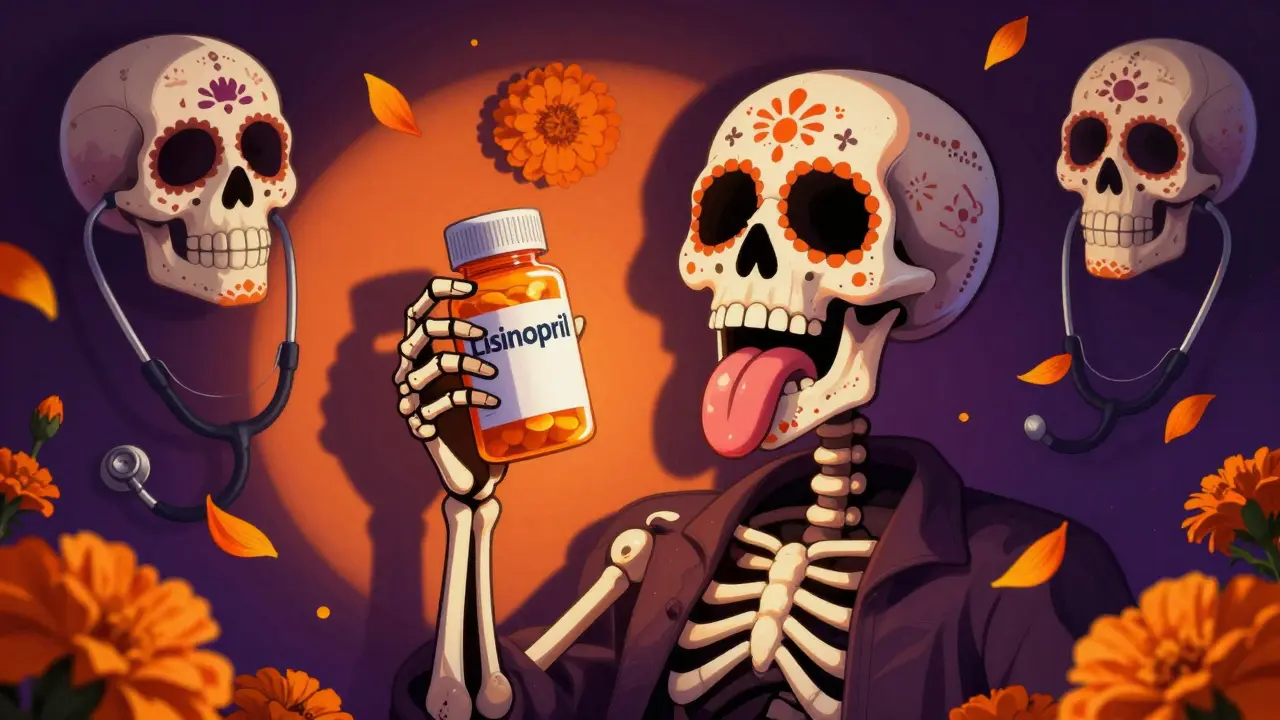
Imagine you’ve been taking lisinopril for seven years to control your blood pressure. No problems. No rashes, no dizziness, no weird symptoms. Then, one night, your tongue swells up so badly you can’t breathe. You rush to the ER. The doctors don’t know what’s happening. They almost intubate you before you remember reading about ACE inhibitors causing delayed angioedema. That’s not a rare story. In fact, 42% of patient reports on delayed reactions involve this exact scenario. The problem isn’t just the reaction itself - it’s the delay in connecting it to the drug. Doctors don’t always ask about symptoms that started months ago. Patients don’t think to mention them. And because the drug seemed fine for so long, no one suspects it’s the culprit. The World Health Organization says adverse drug reactions cause 5% of all hospital admissions. A big chunk of those? Delayed reactions that slipped through the cracks.What Types of Delayed Reactions Should You Watch For?
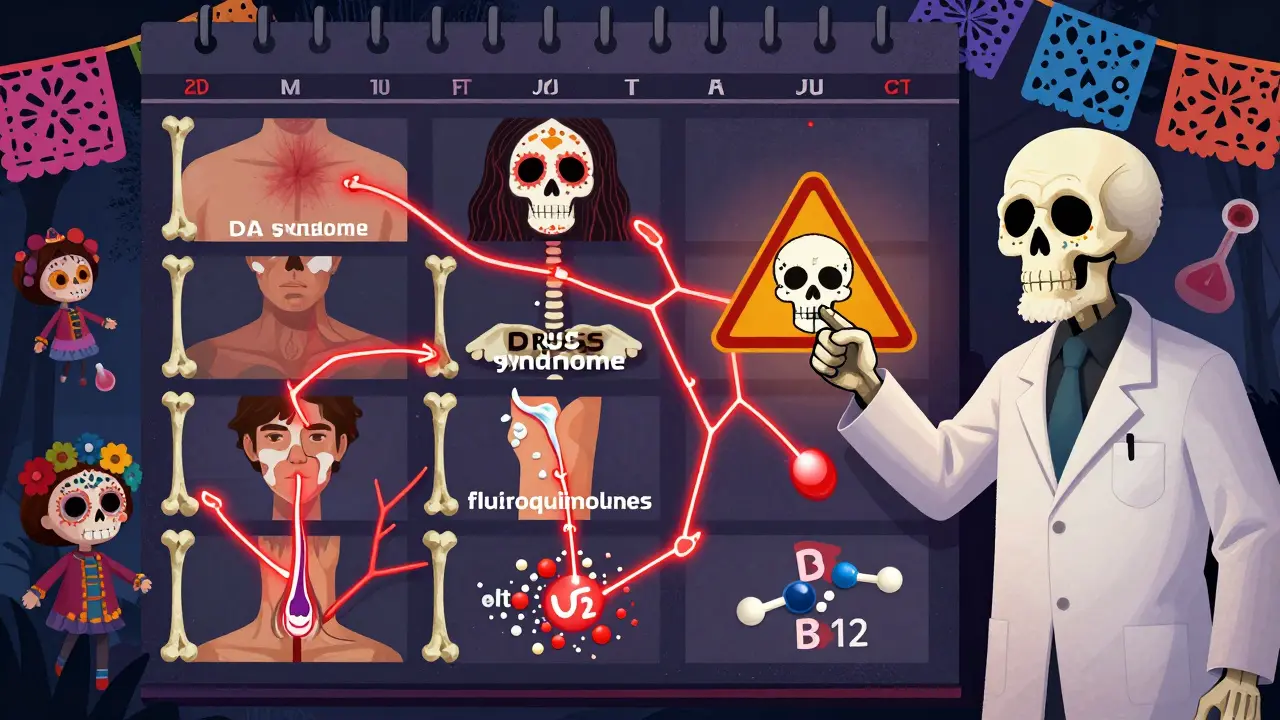
Not all delayed reactions are the same. They come in different forms, with different timelines and symptoms. Here are the most common and dangerous ones:- DRESS syndrome - Starts 2 to 8 weeks after starting a drug. Involves a full-body rash, swollen lymph nodes, fever, and organ damage (liver, kidneys, lungs). Linked to antiseizure meds like phenytoin, carbamazepine, and lamotrigine, as well as allopurinol and some antibiotics. Mortality rate: up to 10%.
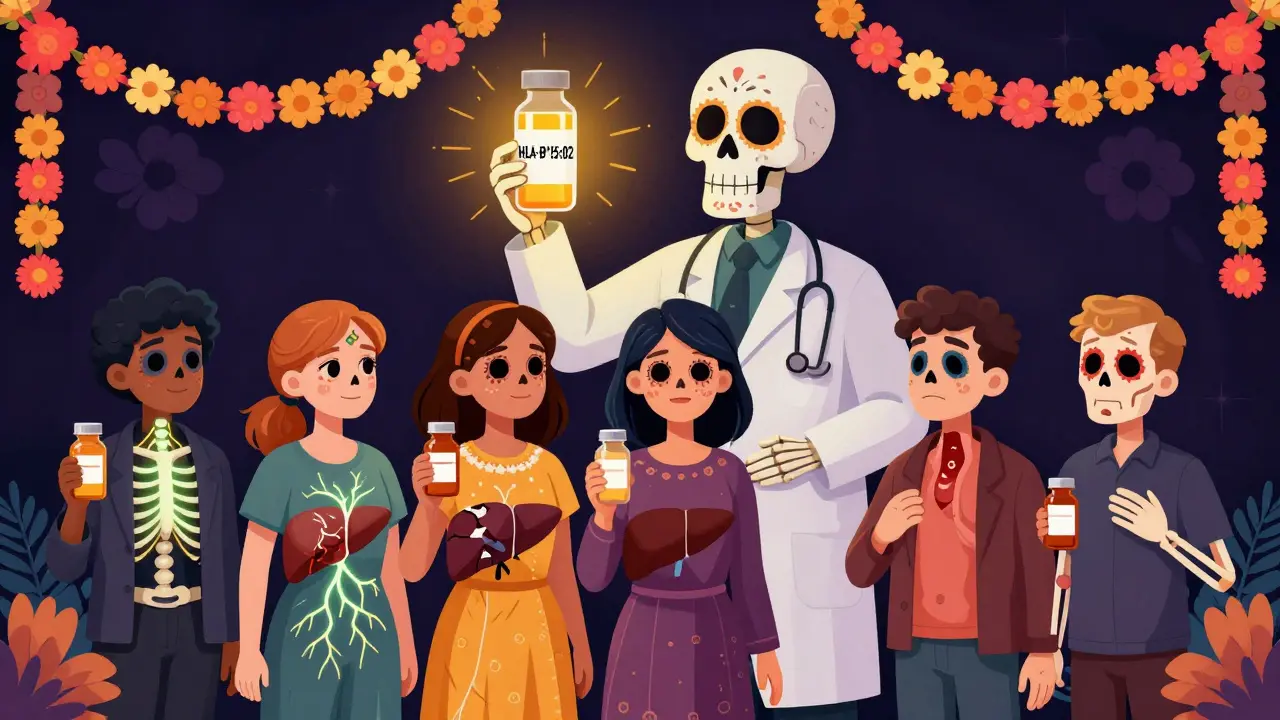
- Stevens-Johnson Syndrome (SJS) and Toxic Epidermal Necrolysis (TEN) - Life-threatening skin conditions that can begin 1 to 4 weeks after exposure. Skin blisters and peels off like a burn. Carried by carbamazepine, especially in people with the HLA-B*15:02 gene. Death rates range from 5% to 50%, depending on severity.
- Fluoroquinolone tendon damage - Ciprofloxacin, levofloxacin, and other antibiotics in this class can cause tendon ruptures - even months after you’ve finished the course. The FDA strengthened its warning in 2018 after over 1,000 cases were reported between 2015 and 2017.
- ACE inhibitor angioedema - Drugs like lisinopril, enalapril, and ramipril can cause sudden swelling of the face, lips, tongue, or throat. It can happen after years of safe use. Airway blockage is possible. About 76% of patients say their symptoms were dismissed at first.
- PPI-related nutrient loss - Omeprazole, esomeprazole, and other acid blockers can cause serious deficiencies after 2+ years of use. Vitamin B12 drops by 65% after two years and 112% after four. Low magnesium can lead to muscle cramps, irregular heartbeat, and even slurred speech.
- Metformin-induced B12 deficiency - Common in diabetics. After 4+ years of use, up to 30% of patients develop low B12, leading to nerve damage, fatigue, and brain fog - often mistaken for aging or diabetes complications.
- Drug-induced lupus - From medications like procainamide and hydralazine. Symptoms like joint pain, rash, and fatigue appear after 6 to 12 months. Stops when you quit the drug.
- Acute Generalized Exanthematous Pustulosis (AGEP) - A rare but severe skin reaction with hundreds of tiny, sterile pustules. Usually shows up within 48 hours but can linger or recur. More dangerous in older adults or those with weakened immune systems.
Who’s Most at Risk?
Not everyone gets these reactions. But some groups are far more vulnerable:- People over 65 - They make up only 16% of the population but account for over 25% of emergency visits for drug reactions. Their bodies process meds slower, and they often take multiple drugs, increasing interaction risks.
- Women - Studies show women experience delayed hypersensitivity reactions 1.5 to 2 times more often than men. Hormonal differences may play a role.
- People with certain genes - The HLA-B*15:02 gene increases your risk of SJS from carbamazepine from 0.01% to 50-80%. HLA-B*57:01 raises the risk of abacavir hypersensitivity to nearly 100% if you have the gene. Genetic testing before prescribing is becoming standard in many countries.
- Those with autoimmune conditions - Patients with Crohn’s or ulcerative colitis on thiopurines have a 12-fold higher chance of developing DRESS syndrome.
How to Spot a Delayed Reaction Early
The key is not waiting for a crisis. Ask yourself these questions if you notice new symptoms:- Did this symptom start after I began a new medication - even if it was months ago?
- Is it something I’ve never had before - a rash, swelling, fatigue, joint pain, tingling, or trouble speaking?
- Is it getting worse over time, not better?
- Did I start a new drug, change a dose, or add another medication recently?
What Doctors Should Do - And What You Can Push For
Experts like Dr. Sarah Johnson at NYU Langone say doctors need to have a high index of suspicion for delayed reactions. That means asking the right questions, not just assuming symptoms are from something else. Here’s what you can ask for:- Drug allergy testing - Skin patch tests are 70-80% accurate for delayed reactions when done 4 to 6 weeks after the reaction.
- Lymphocyte transformation test - A blood test that checks if your immune cells react to the drug. It’s 85-90% accurate when done 2 to 6 weeks after symptoms start.
- Genetic screening - If you’re prescribed carbamazepine, phenytoin, or abacavir, ask if you can be tested for HLA-B*15:02 or HLA-B*57:01 before starting. Many hospitals now do this automatically.
What to Do If You Suspect a Delayed Reaction
1. Stop the drug immediately - But don’t quit cold turkey if it’s for a serious condition like epilepsy or high blood pressure. Talk to your doctor first. Sometimes you need a safe taper. 2. Document everything - Write down the exact date symptoms started, what they feel like, and how they’ve changed. Take photos of rashes or swelling. 3. Report it - File a report with the FDA’s MedWatch program. Every report helps improve safety warnings for everyone. 4. Get tested - Ask your doctor about patch testing or blood tests to confirm the culprit. 5. Update your medical records - Make sure every provider knows you had a reaction to this drug. Add it to your allergy list.What’s Changing in 2025?
The field is moving fast. By 2025, routine genetic screening before prescribing high-risk drugs like carbamazepine and abacavir will be standard in most developed countries. The European Medicines Agency has already mandated enhanced warnings for fluoroquinolones and certain antibiotics. The NIH predicts that within five years, we’ll prevent 30,000 to 50,000 severe delayed reactions each year in the U.S. alone just by knowing who’s genetically at risk. The message is clear: delayed reactions aren’t rare. They’re predictable. And with better awareness, testing, and communication, most of them can be avoided.Bottom Line: Don’t Wait for a Crisis
If you’ve been on a medication for more than six months and you’ve noticed something new - a rash, swelling, numbness, fatigue, or strange pain - don’t assume it’s just aging, stress, or another illness. Ask: Could this be the drug? Keep a list of every medication you take - including doses and start dates. Bring it to every appointment. Speak up if something feels off. Your doctor might not know about the delayed risks - but now you do. And that knowledge could save your life.Can delayed medication side effects happen years after starting a drug?
Yes. Some side effects, like osteoporosis from long-term steroid use, cataracts from corticosteroids, or vitamin B12 deficiency from metformin or PPIs, can take years to appear. Even tendon damage from fluoroquinolone antibiotics can show up up to six months after finishing the course. The longer you take a drug, the higher the chance of a delayed reaction - even if you’ve had no problems before.
How do I know if my rash is from a drug or something else?
Look at timing. If the rash appeared 2 to 8 weeks after starting a new medication - especially if it’s widespread, itchy, or accompanied by fever, swollen glands, or organ symptoms - it’s likely drug-related. Common culprits include antibiotics, antiseizure drugs, and allopurinol. A skin patch test done 4 to 6 weeks after the reaction can confirm it with 70-80% accuracy.
Are delayed side effects more common in older adults?
Yes. People over 65 are 1.6 times more likely to be hospitalized for adverse drug reactions than younger adults, even though they make up a smaller portion of the population. This is because aging affects how drugs are absorbed, metabolized, and cleared from the body. They’re also more likely to take multiple medications, increasing interaction risks. Drugs like PPIs, statins, and blood pressure meds are especially risky in this group.
Can I get tested before starting a medication to avoid delayed reactions?
For certain high-risk drugs, yes. If you’re being prescribed carbamazepine, phenytoin, or abacavir, ask your doctor about genetic testing for HLA-B*15:02 or HLA-B*57:01. These tests are widely available and can prevent life-threatening reactions. For other drugs, routine pre-testing isn’t standard yet - but research is moving fast. By 2025, genetic screening may become routine for many high-risk medications.
What should I do if my doctor dismisses my concerns about a delayed reaction?
Bring printed evidence. Print out studies from the FDA, NIH, or peer-reviewed journals about the drug and its known delayed reactions. Mention specific symptoms and timing. Say: “I’ve read that this drug can cause [symptom] after [time period], and I’ve had this since I started taking it.” If they still dismiss you, ask for a referral to an allergist or pharmacologist. Your symptoms matter - and you have the right to be heard.
Can delayed side effects be reversed?
In many cases, yes - if caught early. Stopping the drug often leads to full recovery of skin, liver, or kidney function. Vitamin deficiencies from PPIs or metformin can be corrected with supplements. But some damage, like tendon ruptures or permanent nerve injury from fluoroquinolones, may not fully heal. Early recognition is critical. The sooner you stop the drug, the better your chances of recovery.
Is it safe to take the same drug again if I had a mild delayed reaction?
No. Even a mild delayed reaction means your immune system reacted to the drug. Re-exposing yourself can trigger a much worse reaction - sometimes fatal. Once you’ve had a delayed hypersensitivity reaction to a drug, avoid it for life. Make sure your medical records and pharmacy profile reflect this. Always tell every new doctor you’ve had a reaction to it.
Guillaume VanderEst
December 18, 2025 AT 22:18So I’ve been on lisinopril for 9 years. Zero issues. Then last month my lips swelled up like I’d been kissed by a bee hive. ER said it was ‘probably allergic’ and sent me home with benadryl. I only figured out it was the drug because I randomly read this post. I’m done with it. No more ACE inhibitors for me. Ever. Thanks for the wake-up call.
Also, why do doctors act like we’re supposed to memorize every possible side effect? We’re not pharmacists. We just want to live without dying from our own prescriptions.
Nina Stacey
December 19, 2025 AT 22:10OMG I JUST REALIZED I’VE BEEN TAKING OMEPRASOLE FOR 5 YEARS AND MY HANDS HAVE BEEN NUMB FOR 6 MONTHS I THOUGHT IT WAS CARPAL TUNNEL BUT WHAT IF ITS THE PPI?? I JUST LOOKED UP B12 DEFICIENCY AND ITS LIKE EVERY SINGLE SYMPTOM IM HAVING AND I DIDNT EVEN KNOW YOU COULD GET THAT FROM ACID BLOCKERS IM SO SCARED RIGHT NOW I NEED TO CALL MY DOCTOR TOMORROW BUT WHAT IF THEY JUST SAY ITS STRESS?? PLEASE SOMEONE TELL ME IM NOT ALONE IN THIS I FEEL LIKE I’M GOING CRAZYEDIT: I JUST TOOK A B12 SUPPLEMENT AND MY FINGERS FEEL TINGLY AGAIN LIKE THEY’RE ALIVE OH MY GOD
Dominic Suyo
December 20, 2025 AT 18:07Let’s be real - this isn’t a medical post, it’s a corporate liability exposé. Pharma companies know about these delayed reactions. They bury the data in footnotes. The FDA? They’re a revolving door of ex-pharma execs who’d rather wait for a hundred deaths before issuing a warning. DRESS syndrome? 10% mortality. Fluoroquinolone tendon ruptures? FDA added a black box warning after 1,000 cases. And yet they’re still prescribed like candy.
This isn’t about patient awareness. It’s about profit. They make more money off your hospitalization than they do off the pill. And now we’re supposed to be grateful for a Reddit post that tells us what the system deliberately hid.
Janelle Moore
December 21, 2025 AT 18:06EVERYTHING IS A GOVERNMENT PLOT. The FDA doesn’t want you to know this because they’re in bed with Big Pharma. They’re using your body to test drugs secretly. That’s why they don’t warn you - because they want you to get sick so they can sell you more drugs. And the gene tests? They’re tracking your DNA. They know who’s vulnerable. They’re watching you right now. I saw a guy on YouTube say the HLA-B*15:02 gene is actually a microchip implanted in your blood during vaccines. That’s why they push genetic screening - it’s the first step to controlling you.
Also, your doctor is probably on the payroll. Don’t trust anyone. Burn your pill bottles. Drink lemon water. It’s the only cure.
Aadil Munshi
December 23, 2025 AT 06:26Interesting how we treat medication like it’s a magic wand instead of a chemical handshake with our biology. We pop pills like they’re candy, then act shocked when our body says, ‘Hey, I’ve been holding this grudge for 3 years.’
It’s not just about side effects - it’s about our relationship with control. We want to fix everything with a pill, but we refuse to sit with the consequences. We want the blood pressure down, the acid gone, the sugar stable - but we don’t want to change our diet, sleep, or stress levels. So we blame the drug when it finally snaps back at us.
And yet, here we are, reading a 10,000-word post on delayed reactions instead of asking why we’re on so many drugs in the first place. The real delayed reaction? Our collective denial.
Also, I’ve been on metformin for 6 years. Got my B12 checked last month. Level was 180. Took supplements. Now I can think again. Who knew?
Frank Drewery
December 24, 2025 AT 20:33Just wanted to say thank you for writing this. I’ve been terrified to bring up my weird joint pain to my doctor because I thought it was just getting older. But now I’m going to print this out and take it to my appointment. I’ve been on hydrochlorothiazide for 8 years. Never thought it could do this. I’m not scared anymore - I’m ready to ask the right questions. You gave me the words to say it. That means more than you know.
mary lizardo
December 26, 2025 AT 02:01While the intent of this article is commendable, its structural and terminological laxity undermines its credibility. The conflation of ‘delayed hypersensitivity’ with ‘chronic toxicity’ is scientifically incoherent. DRESS syndrome and SJS are immunologically distinct entities, yet they are lumped together under the vague rubric of ‘delayed side effects.’ Moreover, the citation of ‘42% of patient reports’ without source attribution is an egregious lapse in academic rigor.
Furthermore, the assertion that ‘most doctors don’t ask’ is a sweeping generalization unsupported by epidemiological data. The ACP and FDA guidelines explicitly recommend longitudinal medication review. To imply systemic negligence is not only misleading, it erodes trust in legitimate clinical practice.
While patient advocacy is vital, it must be grounded in precision - not sensationalism dressed as education.
jessica .
December 27, 2025 AT 12:17They’re doing this on purpose. Why do you think the FDA only updated warnings after 1,000 cases? Because they wanted to see how many Americans would die before they acted. This is a test. They’re watching who listens and who ignores it. That’s why they’re pushing genetic testing - to identify the weak links. If you’re not on the list, you’re a target. Don’t trust the system. Don’t trust your doctor. Don’t trust the meds. This is war.
And if you’re not taking supplements, you’re already losing.