Generic Medications and Drug Safety in 2025: What You Need to Know
When you pick up a generic medication, a lower-cost version of a brand-name drug that must meet the same FDA standards for effectiveness and safety. Also known as non-branded drugs, it's the backbone of affordable care for millions — but not all generics are created equal. Some get recalled because of contamination from overseas factories. Others behave differently in your body because of tiny variations in how they’re made. That’s why understanding drug safety, the system of checks, warnings, and monitoring that keeps medications from harming patients isn’t just for doctors — it’s for anyone taking pills regularly.
What you might not realize is that your genes play a huge role in whether a drug works safely for you. pharmacogenetic testing, a simple DNA test that shows how your body processes specific drugs can prevent dangerous side effects before they happen. Studies show it cuts bad reactions by 30% when used before prescribing. That’s why more clinics are starting to use it — especially for people on multiple meds, older adults, or those with chronic conditions like PCOS or prediabetes. And it’s not just about one drug. medication interactions, when two or more drugs, or even food, change how a medication works in your body can turn a safe pill into a risk. Grapefruit juice, dairy, vitamin K-rich greens — they all interfere with common prescriptions. Even supplements like evening primrose oil can raise seizure risk if you’re on antipsychotics. These aren’t theoretical concerns. Real people have ended up in the ER because no one checked what else they were taking.
And it’s not just about what’s in the pill. It’s about where it comes from, how it’s tested, and who’s watching. adverse drug reactions, unexpected and harmful responses to medications that aren’t listed on the label are one of the top causes of hospital visits in older adults. Delirium from Benadryl, muscle damage from statins, confusion from thyroid meds — these aren’t normal aging. They’re red flags. That’s why we dug into how pravastatin compares to other statins for seniors, why NTI generics need tighter rules, and how replicate study designs help regulators spot problems early. You’ll find real advice on comparing prices online without risking fake meds, how to build a safe preconception plan, and what thyroid ultrasound results actually mean for your cancer risk. This isn’t theory. It’s what people are facing right now — and what you need to know before your next prescription.
What follows is a collection of real, practical guides written for people who take meds — not for researchers. Whether you’re managing PCOS, worried about your parents’ meds, or trying to reverse prediabetes, you’ll find answers here that actually help. No fluff. No jargon. Just what works — and what to avoid.
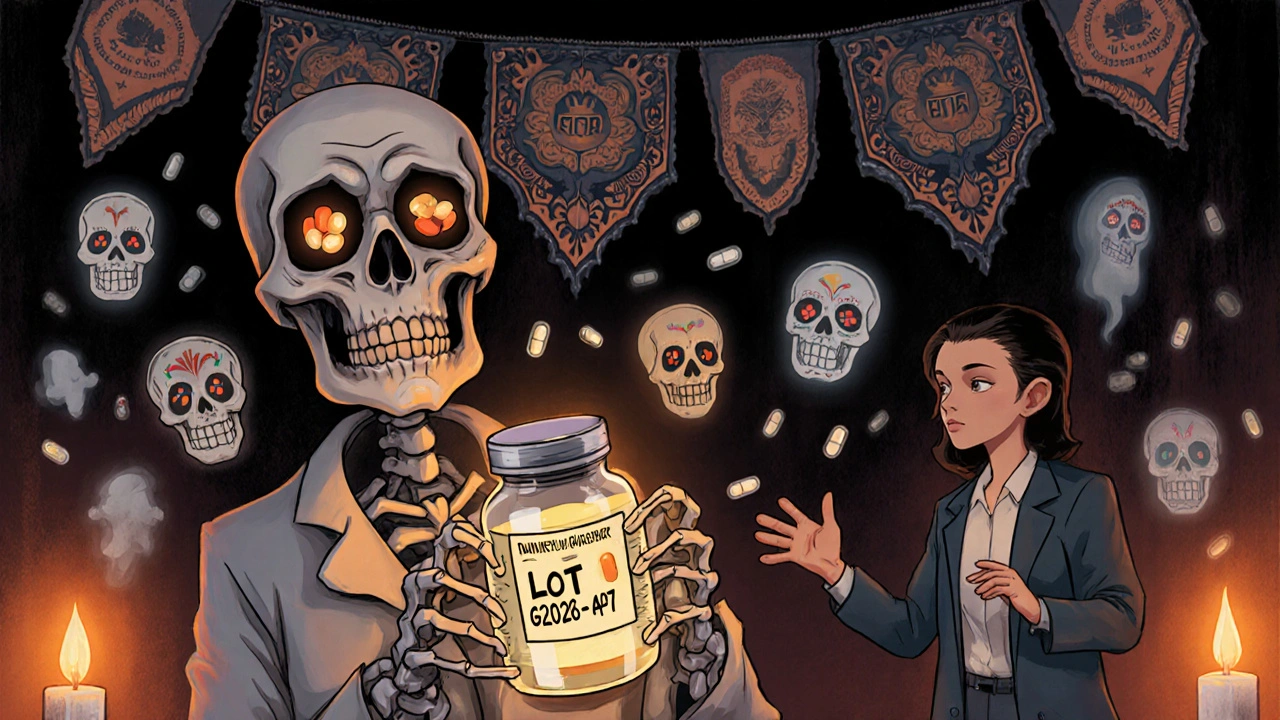
Generic Drug Recalls: Why They Happen and What to Do
Generic drug recalls happen more often than you think-usually due to manufacturing flaws overseas. Learn why they occur, what the risks are, and exactly what to do if your medication is pulled from shelves.

Evening Primrose Oil and Seizure Risk: What You Need to Know About Antipsychotic Interactions
Evening primrose oil may interact with antipsychotics and increase seizure risk, but evidence is conflicting. Learn who should avoid it, which meds are most dangerous, and what real patients report.

Palliative Care in Cancer: How to Control Pain and Improve Quality of Life
Palliative care for cancer focuses on controlling pain and improving quality of life through evidence-based pain management, early intervention, and holistic support-helping patients live better, not just longer.
Replicate Study Designs: Advanced Methods for Bioequivalence Assessment
Replicate study designs are essential for assessing bioequivalence of highly variable drugs. Learn how full and partial replicate methods reduce sample sizes, improve approval rates, and meet global regulatory standards.

Pravastatin Tolerability in Older Adults: Side Effect Profile
Pravastatin is a preferred statin for older adults due to its lower risk of muscle side effects and fewer drug interactions. Learn how it compares to other statins, what side effects to watch for, and when it’s the right choice for seniors.

How Medications Work: Understanding Pharmacology and Drug Mechanisms
Learn how medications work in the body through pharmacology basics-understanding pharmacokinetics, pharmacodynamics, drug mechanisms, and why people respond differently to the same drugs.

Global Regulatory Differences for NTI Generics: What You Need to Know
NTI generics require stricter regulation than standard generics due to narrow safety margins. This article compares FDA, EMA, Canada, and Japan approaches, highlights real-world impacts, and explores global trends in approval standards and patient safety.

Multiple Sclerosis: How the Immune System Attacks the Nervous System
Multiple sclerosis is an autoimmune disease where the immune system attacks the myelin sheath around nerves, causing vision loss, fatigue, numbness, and mobility issues. Learn how it starts, what happens in the brain, and how modern treatments are changing outcomes.
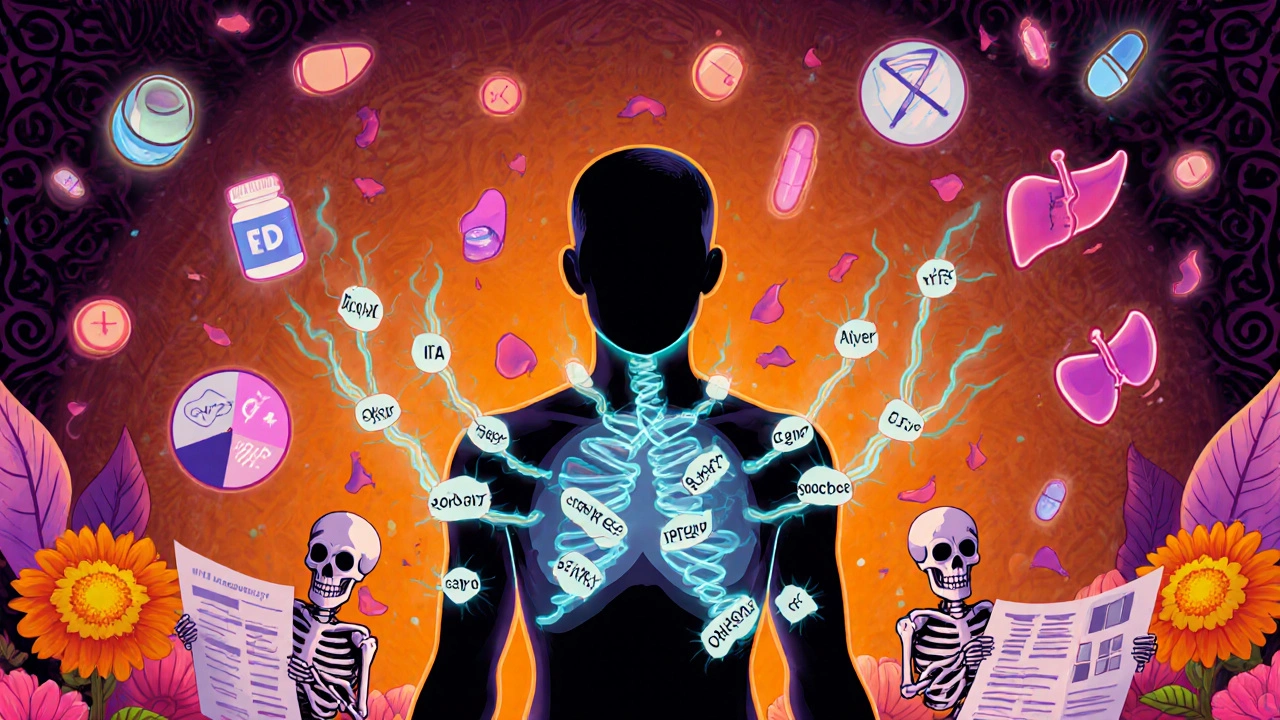
Preventing Adverse Drug Reactions with Pharmacogenetic Testing
Pharmacogenetic testing uses your DNA to predict how you'll respond to medications, helping prevent dangerous side effects. Studies show it cuts adverse drug reactions by 30% when used before prescribing.
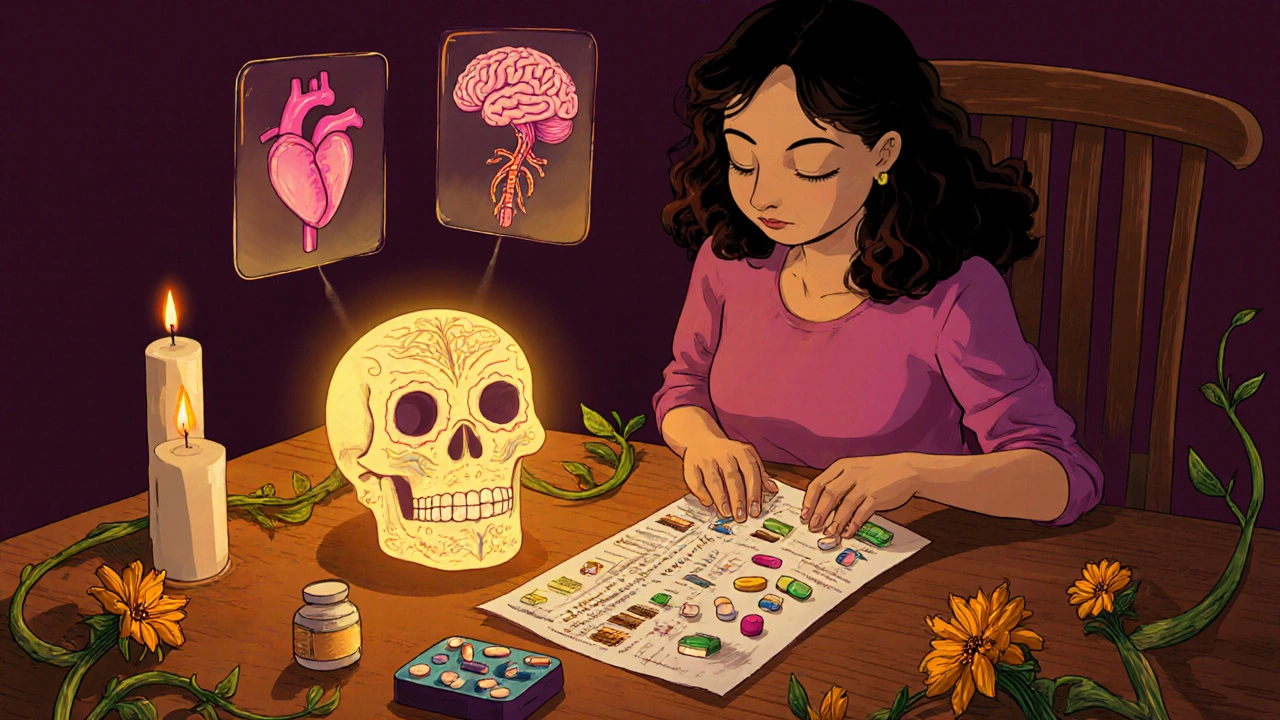
How to Create a Medication Plan Before Conception for Safety
A preconception medication plan helps reduce birth defect risks by reviewing and adjusting medications before pregnancy. Key steps include starting folic acid, switching unsafe drugs, managing chronic conditions, and coordinating care with your healthcare team.