Relapse Prevention in Depression: How Maintenance Therapy and Lifestyle Changes Stop Recurrence
 Jan, 22 2026
Depression doesn’t end when you start feeling better. For many people, the real battle begins after the first episode fades. About 50% of those who’ve had one major depressive episode will have another. After two episodes, that jumps to 70%. And after three? You’re looking at an 80% chance of recurrence. This isn’t bad luck-it’s how depression works. But it’s not inevitable. The right combination of maintenance therapy and lifestyle changes can cut that risk in half.
Why Depression Comes Back
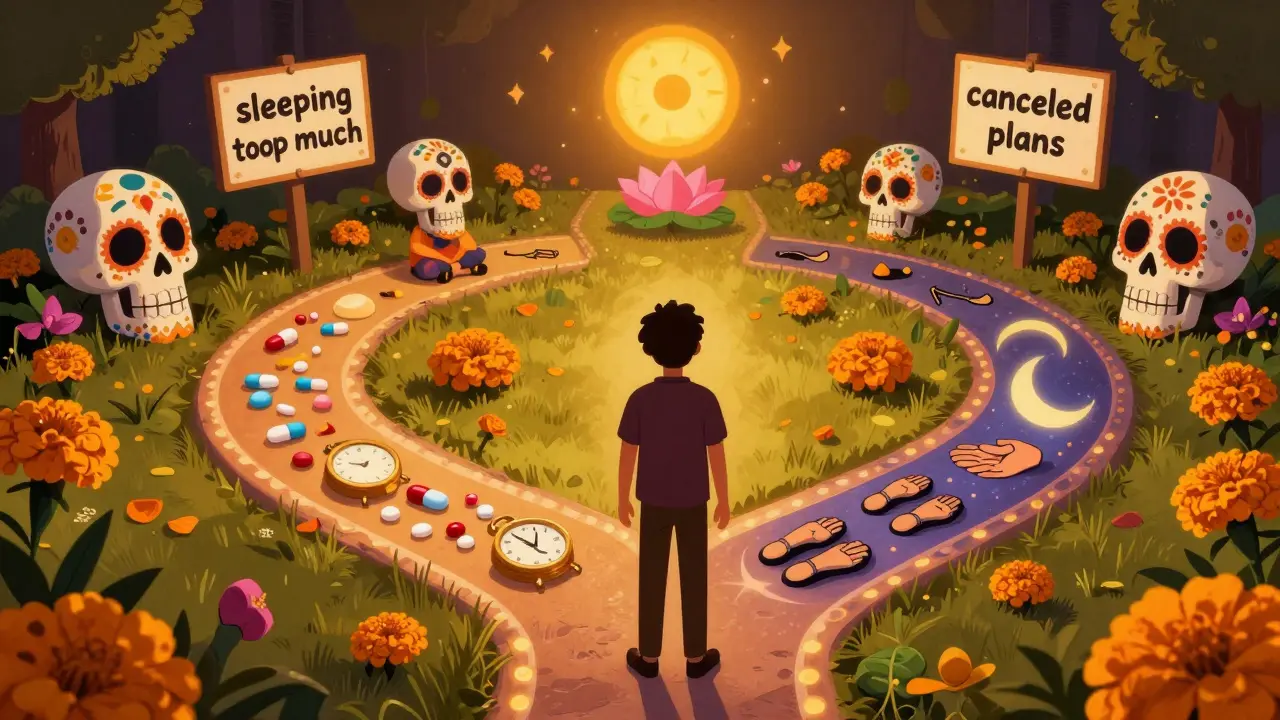
Depression isn’t a one-time glitch. It’s a recurring condition, especially if you’ve had multiple episodes. The brain changes during a depressive episode-neural pathways get stuck in negative patterns, stress systems stay overactive, and sleep and hormone regulation get thrown off. Even after symptoms disappear, those changes don’t always reset. That’s why people feel fine for months, then wake up one day with that old heaviness creeping back in. The warning signs aren’t always obvious. Maybe you’re sleeping too much again. Or you’ve stopped calling friends. Maybe you’re irritable, or your focus is slipping. These aren’t just bad days. They’re early signals your brain is slipping back into depression’s grip. That’s where maintenance therapy comes in-not to cure you, but to keep you from falling again.Medication: The Long-Term Shield
Antidepressants aren’t just for getting out of a depressive episode. For people with recurrent depression, they’re a preventive tool. Studies show that staying on medication after recovery reduces relapse risk by nearly 60%. The most studied drug for long-term use is imipramine, given at 200 mg daily. But it’s not just about the drug-it’s about consistency. The numbers tell the story: for every 4 people who stay on antidepressants after remission, one relapse is prevented. That’s a number needed to treat (NNT) of 4.4 over 12 months. For those with three or more prior episodes, the benefit is even stronger. But here’s the catch: about 30-40% of people stop taking their meds within the first year. Why? Side effects-weight gain, sexual dysfunction, fatigue, nausea. Or they feel fine and think they don’t need it anymore. That’s a dangerous assumption. Stopping medication too soon is one of the top reasons depression returns. Guidelines from the American Psychiatric Association recommend continuing antidepressants for 2 to 5 years after remission if you’ve had multiple episodes. Some people need them longer. It’s not a life sentence-it’s a safety net.Therapy That Lasts: CBT, MBCT, and More
Medication isn’t the only option. Psychological therapies can be just as effective, especially for people who’ve had three or more depressive episodes. Cognitive Behavioral Therapy (CBT) teaches you to spot and change negative thought patterns. Mindfulness-Based Cognitive Therapy (MBCT) adds meditation and awareness practices to help you notice early warning signs without getting pulled into them. In one major study, MBCT reduced relapse risk by 31% compared to standard care. CBT did the same. These aren’t quick fixes. They require work. MBCT usually involves 8 weekly group sessions, followed by monthly booster sessions. CBT often takes 12-16 sessions over several months. The goal isn’t just to feel better now-it’s to build skills you can use for years. What makes these therapies powerful is that they give you tools you can use even after treatment ends. You learn to recognize when your thoughts start spiraling. You practice grounding techniques when anxiety creeps in. You develop a personal early warning system. That’s something medication can’t do.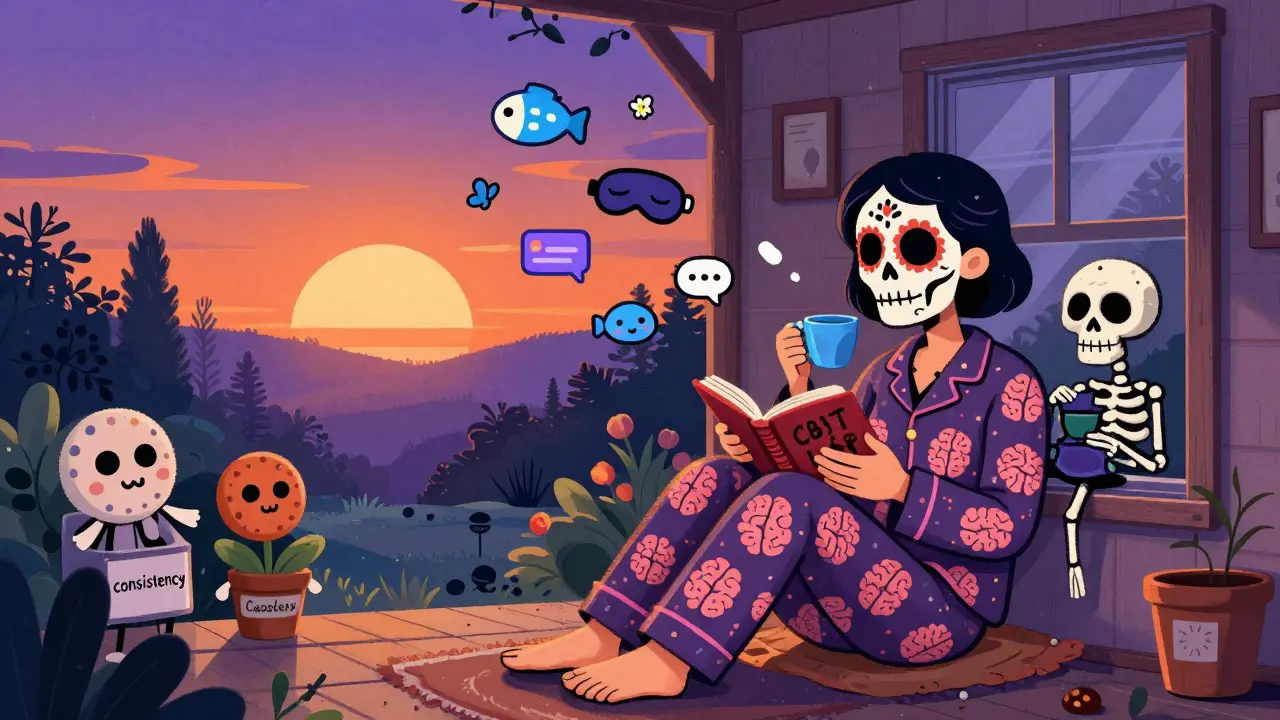
How Lifestyle Changes Actually Prevent Relapse
You’ve heard it before: exercise, sleep, diet. But here’s what most people don’t realize-these aren’t just “nice to have.” They’re part of your relapse prevention plan. Exercise isn’t just about endorphins. Regular physical activity-30 minutes of brisk walking, cycling, or swimming five times a week-has been shown to reduce relapse risk by up to 30%. It lowers inflammation, regulates stress hormones, and rebuilds neural connections damaged by depression. You don’t need to run a marathon. Just move consistently. Sleep is non-negotiable. People who sleep less than 6 hours a night are twice as likely to relapse. Depression messes with your circadian rhythm, so restoring regular sleep-wake cycles is critical. Go to bed and wake up at the same time every day-even on weekends. Avoid screens an hour before bed. If you’re still struggling, talk to your doctor about sleep hygiene or CBT for insomnia (CBT-I), which is proven to help. Diet matters more than you think. Diets high in processed foods, sugar, and refined carbs are linked to higher depression risk. On the flip side, eating whole foods-vegetables, fruits, legumes, fish, nuts, and olive oil-supports brain health. Omega-3 fatty acids from fatty fish like salmon and mackerel have shown modest but real benefits in reducing depressive symptoms. It’s not a cure, but it’s a foundation. Connection is the quiet hero. Social isolation is one of the strongest predictors of relapse. Make time for people who make you feel safe-even if it’s just one friend you text every week. Join a support group. Volunteer. Even small, consistent interactions build resilience.Which Approach Is Right for You?
There’s no one-size-fits-all. The best plan depends on your history, your preferences, and your life. If you’ve had three or more episodes, research shows you get the biggest benefit from combining therapy and medication. But if you’ve had one or two episodes and prefer to avoid meds, CBT or MBCT alone can be enough. If you had severe symptoms or struggled with side effects from meds, therapy might be your best bet. If you’re someone who likes structure and data, medication might feel more reliable. If you want to understand your mind and build long-term skills, therapy wins. And if you’re motivated to make daily changes, lifestyle adjustments can be your strongest ally. The key is to work with your provider to choose a plan you can stick with. If you hate taking pills, forcing yourself to stay on them won’t help. If you dread therapy, find a therapist you connect with-or try a digital CBT app. Many apps now deliver MBCT and CBT protocols with clinical backing, and studies show they can reduce relapse risk by 20-30%.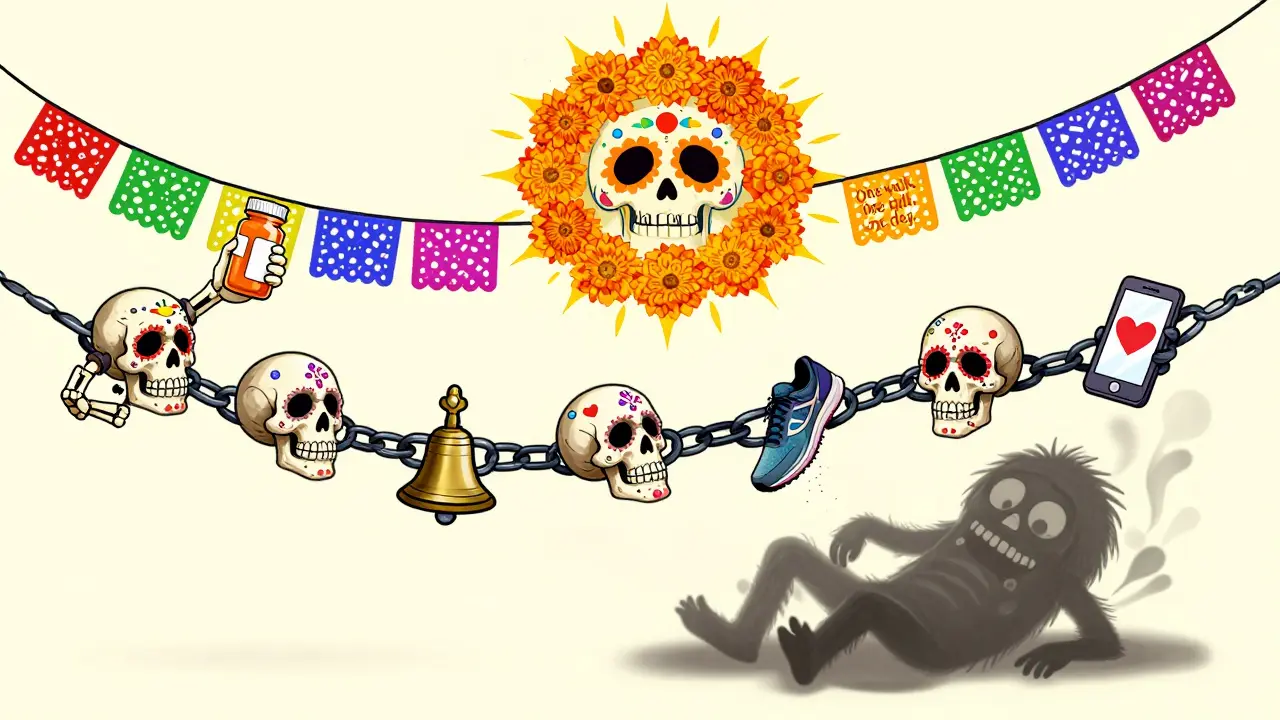
What to Do When You Feel It Coming Back
Even with the best prevention plan, depression can creep back. That’s why you need a relapse action plan. Start by listing your personal early warning signs. Maybe it’s skipping showers. Or canceling plans. Or feeling numb. Write them down. Then list three things you’ll do immediately when you notice them:- Call your therapist or doctor
- Re-start your CBT exercises or mindfulness practice
- Get back on your sleep and exercise routine
Why Most Plans Fail-and How to Avoid It
The biggest reason relapse prevention fails isn’t because the strategies don’t work. It’s because they’re not sustained. People stop therapy because it’s hard. They quit meds because of side effects. They skip workouts because they’re tired. They isolate because they feel ashamed. The solution isn’t willpower. It’s systems. Set reminders for your meds. Schedule therapy like a doctor’s appointment. Link exercise to something you already do-like walking after dinner. Use a mood tracker app to spot patterns. Tell one person your plan so they can check in. And be kind to yourself. Relapse isn’t failure. It’s data. If you slip, adjust your plan-not your self-worth. Depression is a medical condition, not a moral flaw.The Bottom Line
Depression doesn’t have to be a cycle you’re stuck in. With the right tools, you can break it. Maintenance therapy-whether it’s medication, CBT, MBCT, or a mix-works. Lifestyle changes aren’t just helpful-they’re essential. Together, they give you real power over your mental health. You don’t need to be perfect. You just need to be consistent. One good sleep. One walk. One therapy session. One pill. Over time, those small choices stack up into protection. Into safety. Into freedom from the shadow of recurrence. This isn’t about fighting depression forever. It’s about building a life where it doesn’t get the upper hand.How long should I stay on antidepressants for relapse prevention?
Guidelines from the American Psychiatric Association recommend staying on antidepressants for 2 to 5 years after you’ve fully recovered from a depressive episode, especially if you’ve had three or more episodes in the past. For some people with chronic or severe recurrent depression, longer-term use may be necessary. Stopping too soon increases relapse risk significantly. Always consult your doctor before making changes.
Is therapy as effective as medication for preventing depression relapse?
Yes, for many people, therapy can be just as effective as medication. Studies show that Cognitive Behavioral Therapy (CBT) and Mindfulness-Based Cognitive Therapy (MBCT) reduce relapse risk by 23-31% compared to standard care. These therapies are especially effective for people who’ve had three or more depressive episodes. Unlike medication, they teach skills you can use long after treatment ends, giving you lasting tools to manage early warning signs.
Can lifestyle changes really prevent depression from coming back?
Absolutely. Regular exercise, consistent sleep, a whole-food diet, and strong social connections are not just general wellness tips-they’re clinically proven protective factors. People who maintain these habits after recovery cut their relapse risk by up to 30%. These changes support brain health, reduce inflammation, and strengthen emotional resilience. They work best when combined with therapy or medication, but they’re powerful on their own too.
What should I do if I feel symptoms returning?
Act early. Don’t wait until you’re overwhelmed. Use your personal relapse action plan: reconnect with your therapist, restart your CBT or mindfulness practices, get back on your sleep and exercise schedule, and reach out to someone you trust. Early intervention is the most effective way to stop a relapse before it fully takes hold. Many people delay help out of fear or shame, but reaching out sooner makes recovery faster and easier.
Are there digital tools that help with relapse prevention?
Yes. Several digital platforms offer evidence-based CBT and MBCT programs that have been tested in clinical trials. Apps like Moodfit, Woebot, and Mindfulness Coach deliver structured lessons, mood tracking, and guided exercises. Studies show these tools can reduce relapse risk by 20-30% when used consistently. They’re not replacements for therapy or medication, but they’re excellent supports-especially for people who have trouble accessing in-person care.
Oladeji Omobolaji
January 24, 2026 AT 07:48Man, I’ve been through this cycle three times. The meds helped me get out, but honestly? It was the daily walks with my dog that kept me from going back under. Not magic, just consistency.
Susannah Green
January 25, 2026 AT 13:02Just to clarify: the NNT of 4.4 for antidepressants is from the 2018 JAMA meta-analysis, right? And for MBCT, the 31% reduction is from the 2016 Lancet paper by Kuyken et al.? These numbers are solid-but people forget the dropout rates skew the real-world effectiveness.
Vanessa Barber
January 26, 2026 AT 06:57So let me get this straight-you’re telling me I need to take pills for 5 years, meditate, eat kale, and call my mom every Sunday… just to not feel like a rock in my own body? I’ll just ride the wave.
Sue Stone
January 26, 2026 AT 07:55I stopped my meds after 8 months because I felt fine. Then, 6 weeks later, I couldn’t get out of bed for three days. Don’t be me.
Sallie Jane Barnes
January 27, 2026 AT 16:52To anyone reading this: you are not broken. You are not lazy. You are not failing. You are managing a chronic illness-and that takes courage. Keep showing up, even if it’s just for one shower today.
Laura Rice
January 28, 2026 AT 01:02OMG YES. I started using Moodfit last year. I was skeptical. Now I get weekly reports on my sleep vs. mood trends. I caught a dip before it became a crisis. I’m not even joking-I cried when the app said ‘you’re doing better than last month.’
Dawson Taylor
January 28, 2026 AT 03:28The biological plausibility of recurrent depression as a neuroplasticity disorder is well-established. The persistence of maladaptive neural circuitry post-remission, particularly in the prefrontal-limbic axis, suggests that pharmacological and behavioral interventions function as neuromodulatory buffers.
charley lopez
January 28, 2026 AT 07:41Empirical evidence supports the efficacy of maintenance pharmacotherapy, particularly SSRIs and SNRIs, in reducing recurrence rates. However, adherence remains suboptimal due to iatrogenic side effects and cognitive distortions regarding symptom remission as cure.
Andrew Smirnykh
January 29, 2026 AT 17:26In Nigeria, we don’t have easy access to therapists or meds. But we do have community. My aunt taught me to sit with my feelings in silence, drink ginger tea, and talk to the trees. It’s not clinical. But it’s mine.
Stacy Thomes
January 31, 2026 AT 03:21Just started walking 20 minutes a day. I didn’t think it mattered. Now I’m sleeping through the night. I’m not cured. But I’m not drowning anymore. Thank you for saying this out loud.
Kerry Moore
January 31, 2026 AT 14:01Thank you for emphasizing the importance of personalized care. One-size-fits-all approaches in mental health often do more harm than good. The data supports individualized, multi-modal strategies as optimal.
Anna Pryde-Smith
January 31, 2026 AT 21:23THIS. IS. EVERYTHING. I’ve been in therapy for 7 years. I take my pill every damn morning. I have a sleep schedule. I still have bad days. But now I know it’s not my fault. And that changes everything.
Janet King
February 1, 2026 AT 08:21Consistency over perfection. One walk. One pill. One deep breath. That’s enough.
Kerry Evans
February 1, 2026 AT 13:19People who don’t take their meds are just weak. Depression isn’t a ‘lifestyle’ issue-it’s a chemical imbalance. If you’re too lazy to take a pill, don’t complain when you fall apart.