How to Identify High-Alert Medications Requiring Double Checks
 Apr, 19 2026
Key Takeaways for Patient Safety
- High-alert medications are drugs that carry a high risk of severe harm when used incorrectly.
- An Independent Double Check (IDC) requires two clinicians to verify the drug and dose separately without influencing each other.
- Proper IDCs can stop up to 95% of high-alert errors, but "simultaneous checks" can drop that effectiveness to 32%.
- Common high-alert drugs include IV insulin, concentrated potassium, heparin, and chemotherapy agents.
- The goal is to use IDCs strategically for the highest risks rather than applying them blindly to every drug.
What Exactly Are High-Alert Medications?
At its core, a High-Alert Medication is a pharmaceutical agent that poses a significant risk of causing severe patient harm or death when used in error. These aren't necessarily the drugs that are mistaken most often, but they are the ones where the consequences of a mistake are catastrophic.
The gold standard for identifying these drugs is the Institute for Safe Medication Practices (ISMP). The ISMP keeps a running list of these medications for acute care settings, which was most recently updated in January 2024. These drugs usually fall into a few trap categories: they might have a "narrow therapeutic index" (meaning the difference between a healing dose and a toxic dose is tiny), complex dosing math, or effects that are impossible to reverse once administered.
The Gold Standard: Independent Double Checks (IDCs)
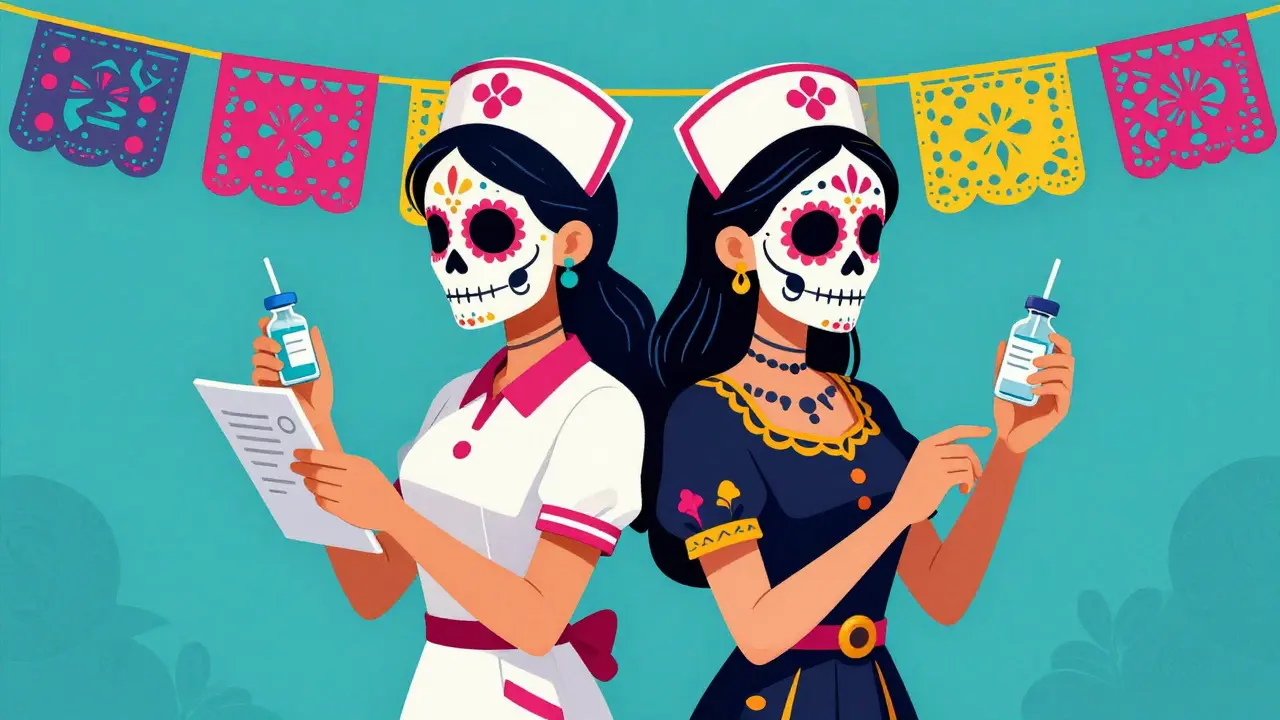
When a drug is flagged as high-alert, a standard check isn't enough. Hospitals implement the Independent Double Check (IDC). This is not just two people looking at a vial together. In a true IDC, two licensed clinicians work alone and apart from each other. Each person verifies the order and the medication separately, and only then do they compare their results.
Why does the "independent" part matter? Because of confirmation bias. If Nurse A says, "I've got 5 units of insulin here, right?", Nurse B is likely to just agree because they've been told what to look for. This is called a "simultaneous check," and studies show it is dangerously ineffective. A 2017 study in the Journal of Patient Safety found that while true IDCs caught 87% of errors, these rushed simultaneous checks only caught about 32%.
Which Medications Require a Double Check?
While every hospital has its own specific policy, most follow the ISMP framework. If you're working on a floor, you'll generally see IDCs required for these high-risk categories:
- Insulin: Especially IV pushes and continuous infusions.
- Anticoagulants: Intravenous Heparin and direct thrombin inhibitors like argatroban.
- Concentrated Electrolytes: Potassium chloride or potassium phosphate concentrates (1mEq/ml and above).
- Neuromuscular Blockers: Paralytics used in critical care or anesthesia.
- Chemotherapy: All dosage forms used to treat cancer.
- Opioids: Specifically injectable narcotics delivered via Patient-Controlled Analgesia (PCA) pumps.
| Method | Process | Error Detection Rate | Main Weakness |
|---|---|---|---|
| Simultaneous Check | Two people look at the drug together. | Low (~32%) | Confirmation Bias |
| Manual IDC | Two people verify separately, then compare. | High (~87-95%) | Time Consuming / Staffing Needs |
| Technology-Assisted | Smart pumps + eMAR verification. | Highest (63% reduction) | Over-reliance on tech (Alert Fatigue) |
How to Perform a Proper Double Check
To ensure a medication doesn't lead to a Dispensing Error, clinicians follow a strict five-point verification process. It's not enough to just check the name of the drug; you have to verify the entire context of the administration.
- Right Patient: Use two unique identifiers (like name and date of birth) and check the wristband.
- Right Medication: Match the physical drug label to the prescription in the electronic medical record.
- Right Dose: Perform the math independently. If the dose is 2.5mg and the vial is 10mg/ml, both nurses must calculate the volume separately.
- Right Route: Confirm if it's IV push, IV piggyback, or subcutaneous. A mistake here can be fatal.
- Right Time: Ensure the frequency and timing align with the patient's current plan of care.
Finally, the process ends with documentation. Most modern hospitals use an eMAR (Electronic Medication Administration Record) that requires two digital signatures before the medication can be charted as given.
The Struggle Between Safety and Speed
In a perfect world, every high-alert drug would get a meticulous IDC. In the real world, nurses are overworked and understaffed. On platforms like Reddit, healthcare workers often admit that double checks can become a "quick sign-off" just to get through the shift. This is where the danger lies. When a check becomes a formality, it provides a false sense of security.
Some experts, including Michael Cohen from the ISMP, argue that we shouldn't use IDCs for everything. If we mandate double checks for 50 different types of drugs, clinicians will naturally start cutting corners. Instead, they advocate for a risk-based approach. Focus the heavy-duty IDCs on the most dangerous tasks-like pediatric chemotherapy or IV insulin-and use technology like "smart pumps" (infusion pumps with dose-error reduction systems) to handle the less critical high-alert meds.
Moving Toward a Tech-Driven Future
The industry is shifting away from relying solely on human memory and manual signatures. We are seeing a surge in Smart Pump Interoperability, where the pump communicates directly with the eMAR. This means the pump won't even start unless the dose matches the physician's order. According to KLAS Research, about 65% of large health systems had this in place by early 2024.
Looking forward, AI-assisted verification is in the pilot phase at some academic medical centers. Imagine a camera system that visually confirms the medication vial and the patient's wristband in real-time, flagging a mismatch before the needle even touches the skin. While this sounds like science fiction, it's the logical next step in eliminating the human error inherent in manual checks.
What is the difference between a double check and an independent double check?
A standard double check often involves two people looking at the medication at the same time, which can lead to one person simply agreeing with the other (confirmation bias). An independent double check requires the second clinician to verify the medication, dose, and patient without any input or cues from the first clinician. They only compare their findings after both have completed their own separate verification.
Why aren't all high-alert medications required to have IDCs?
Overusing IDCs can lead to "alert fatigue" and a culture of shortcutting. The ISMP suggests using them judiciously. If too many medications require IDCs, the process becomes a chore rather than a safety measure. Experts recommend prioritizing the most dangerous drugs (like IV insulin or heparin) and using other safeguards, like automated dispensing cabinets or smart pumps, for others.
Can technology completely replace manual double checks?
Not entirely. While smart pumps and eMAR systems drastically reduce errors, human oversight is still needed for high-risk tasks like titration of potent drips or administering chemotherapy. Technology handles the data, but clinicians provide the critical thinking and patient-specific context.
What should I do if a second nurse isn't available for a double check?
This is a common systemic failure. Clinicians should never bypass a required IDC for a high-alert medication just because they are busy. The correct protocol is to escalate the need to a charge nurse or supervisor to ensure a second licensed professional is available, as the risk of a fatal error outweighs the delay in administration.
How often is the ISMP high-alert medication list updated?
The ISMP typically updates its list of high-alert medications for acute care settings every two years. The most recent update was released on January 9, 2024, ensuring that new drugs and updated safety data are reflected in hospital protocols.
Next Steps for Improving Medication Safety
If you're a healthcare administrator or a lead nurse, the goal shouldn't be to simply add more drugs to the double-check list. Instead, focus on the quality of the check. Start by auditing your current process: are your nurses actually performing independent checks, or are they just signing off on each other's work?
For frontline staff, the best approach is to treat the IDC as a professional collaboration rather than a hurdle. If you're the second checker, don't be afraid to challenge the first person's math or questioning the dose-that's exactly why the system exists. For those in leadership, building "IDC time" into staffing calculations-as seen at institutions like the Mayo Clinic-can reduce the pressure that leads to dangerous workarounds.