Treatment Risks: What You Need to Know About Medication Dangers and Side Effects
When you take a medication, you’re not just getting the benefit—you’re also accepting treatment risks, the potential for harmful side effects, interactions, or unexpected outcomes from medical therapies. Also known as medication dangers, these risks don’t always show up on the label, and they can hit harder if you’re older, taking multiple drugs, or switching to a generic version. Many people assume that if a drug is approved, it’s completely safe. But approval doesn’t mean zero risk—it means the benefits outweigh the dangers for most people. For some, those dangers are real, sudden, and serious.
Take generic drugs, lower-cost versions of brand-name medications that must meet FDA standards for effectiveness and safety. Also known as generic medication, they save billions every year—but they’re not always interchangeable, especially for drugs with a narrow therapeutic index, a tiny margin between a helpful dose and a dangerous one. Also known as NTI drugs, this includes medicines like warfarin, levothyroxine, and cyclosporine. A small change in how your body absorbs the drug can lead to rejection, clotting, or toxicity. That’s why some states block automatic generic swaps for these drugs. And it’s not just generics. Even common over-the-counter drugs like Benadryl can cause confusion, memory loss, or delirium in older adults because of their anticholinergic effects. These aren’t rare cases. Studies show medication-induced delirium happens in up to 30% of hospitalized seniors, and it’s often preventable.
Then there’s the hidden danger: drug interactions, when two or more medications, supplements, or even foods change how a drug works in your body. Also known as medication interactions, these can turn a safe treatment into a life-threatening one. Grapefruit juice can make statins too strong. Evening primrose oil might lower your seizure threshold if you’re on antipsychotics. Dairy can block antibiotics. These aren’t myths—they’re documented risks that show up in real patient cases every day. And they’re not always obvious. A pharmacist might not catch it. Your doctor might not ask about your supplements. You’re the last line of defense. That’s why adverse drug reactions, harmful and unintended responses to medications at normal doses. Also known as side effects, they’re the second leading cause of hospitalizations in the U.S.—and many are preventable with better communication and testing. Pharmacogenetic testing can now tell you if your genes make you more likely to have bad reactions to certain drugs. It’s not magic—it’s science that’s already cutting adverse reactions by 30% in clinics that use it.
What you’ll find below isn’t a list of scary stories. It’s a practical guide to spotting the hidden dangers in your treatment plan. From pharmacy errors that happen more often than you think, to how splitting pills can contaminate your dose, to why some generics get recalled and what to do when yours does—you’ll see the real-world risks, the real-world fixes, and how to protect yourself before something goes wrong.
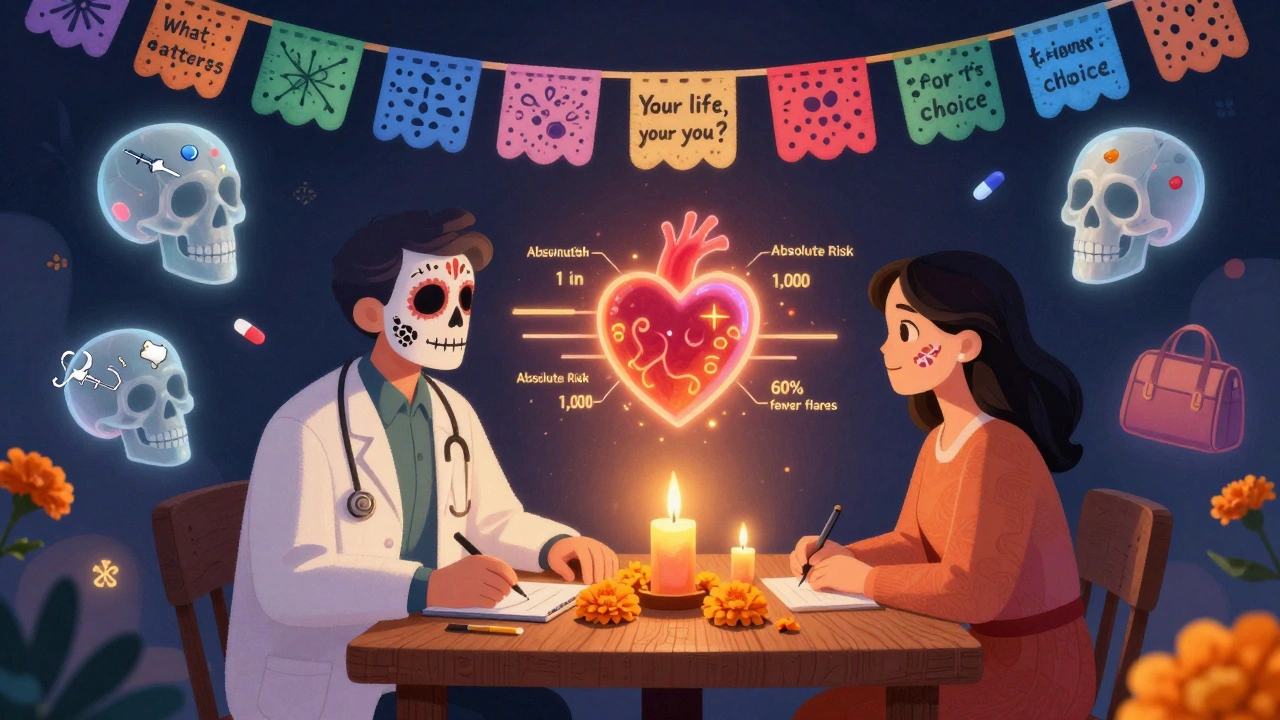
Shared Decision-Making in Autoimmune Care: How Patients and Doctors Choose Treatments Together
Shared decision-making in autoimmune care helps patients and doctors choose treatments based on real risks, personal values, and lifestyle needs-leading to better adherence, fewer side effects, and lower costs.