Pill Splitter: How to Safely Divide Medications and Save Money
When you need to take half a pill, a pill splitter, a simple device designed to cut tablets evenly into precise doses. Also known as a pill cutter, it’s a low-cost tool that helps people stretch their prescriptions, avoid overpaying for higher-dose pills, or fine-tune their medication intake. Many folks use it with generic drugs like lisinopril, atorvastatin, or sertraline—medications that come in 10mg, 20mg, or 40mg strengths but are often prescribed at half that dose. Instead of buying two different pill sizes, you buy the higher dose and split it. That can cut your monthly cost by 50% or more.
But not all pills can be split. extended-release tablets, medications designed to release slowly over hours, like some versions of metformin or oxycodone, lose their special coating when cut. Splitting them can cause the whole dose to hit your system at once—dangerous, even deadly. Same goes for capsules, soft gel pills, or any drug with a special film coating. You’ll find warnings on the bottle or in the patient leaflet. If it says "do not crush or split," don’t. And if you’re taking a drug with a narrow therapeutic index, a tiny difference in dose can cause serious side effects or treatment failure—like warfarin, levothyroxine, or cyclosporine—your doctor might advise against splitting at all. Studies show even small variations in these drugs can lead to blood clots, thyroid imbalances, or organ rejection.
Not every pill splitter is equal either. Cheap plastic ones often crush pills or leave uneven halves. Look for ones with a sharp blade, a secure hold, and a cover to catch fragments. Some even come with built-in pill storage. Always split pills just before taking them—exposing the cut surface to air can make some meds lose potency faster. And never split pills by hand with scissors or a knife. You’re not cutting butter. A good pill splitter gives you precision, safety, and peace of mind.
People use pill splitters for all kinds of reasons: saving cash, adjusting doses after surgery, tapering off antidepressants, or managing side effects. But it’s not a DIY hack. Talk to your pharmacist or doctor first. They can tell you if your specific medication is safe to split, recommend the right tool, and check for hidden risks. You’re not just cutting a pill—you’re controlling your treatment. Get it right, and you save money without risking your health.
Below, you’ll find real-world guides on how pill splitting connects to generic drug access, dosage safety, and the hidden risks of switching medications—everything you need to make smart, informed choices with your prescriptions.
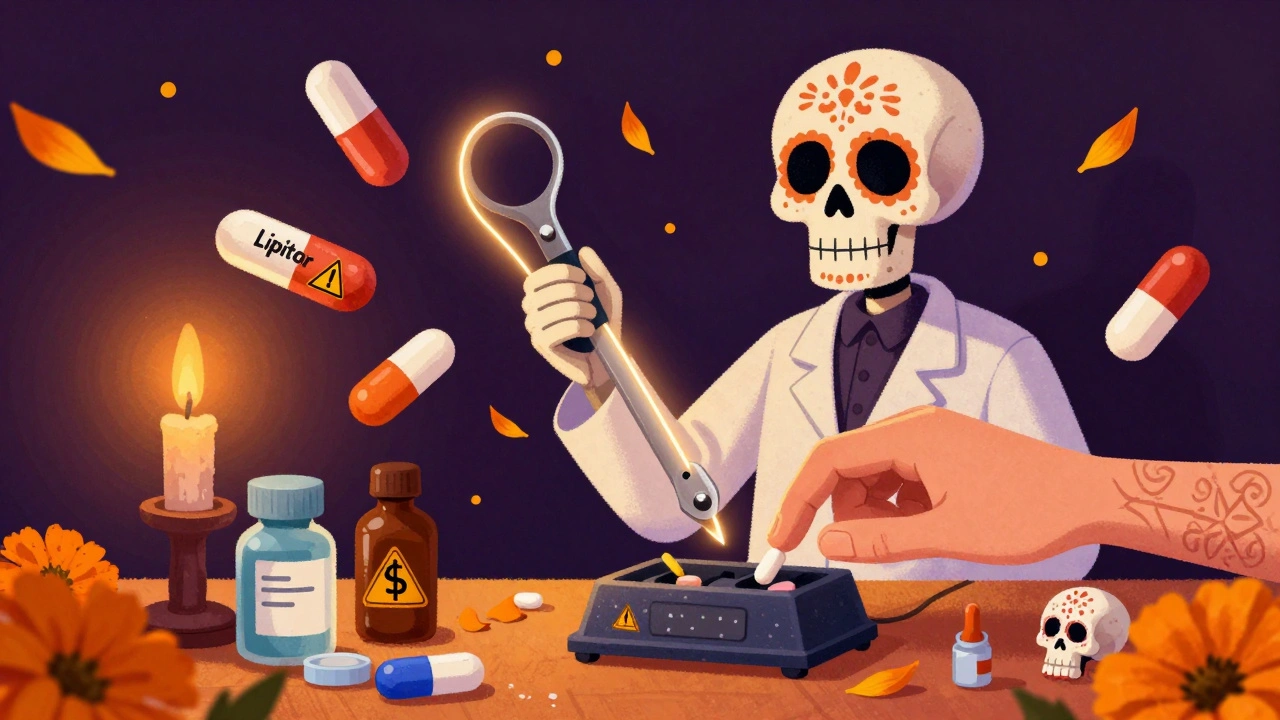
How to Avoid Contamination When Splitting or Crushing Pills: A Safe, Step-by-Step Guide
Learn how to safely split or crush pills without risking contamination, inaccurate dosing, or exposure to hazardous drugs. Follow proven steps, use the right tools, and know which pills should never be touched.