Medication Review Before Conception: What You Need to Know
When you're planning to get pregnant, your body isn't just changing—it's preparing for a whole new role. That’s why a medication review before conception, a careful assessment of all drugs and supplements you're taking to ensure safety during pregnancy. Also known as preconception pharmacotherapy, it’s not optional—it’s essential. Many people don’t realize that common prescriptions, over-the-counter pills, and even herbal supplements can interfere with fertility, harm early development, or trigger dangerous side effects once you’re pregnant.
Take pharmacogenetic testing, a DNA-based method to predict how your body processes drugs. Studies show it cuts adverse drug reactions by 30% when done before conception. If you’re on antidepressants, blood pressure meds, or even painkillers, your genes might make you extra sensitive—or completely resistant—to them. That’s not guesswork; it’s science. And it matters because some drugs, like certain NSAIDs or acne treatments, can throw off ovulation or damage egg quality before you even know you’re pregnant.
Then there’s drug interactions, how one medication changes the way another works in your body. Grapefruit juice isn’t just bad with cholesterol pills—it can mess with fertility drugs too. Dairy can block antibiotics used for infections that affect reproductive health. Even something as simple as timing your thyroid med with your folic acid can change how well it works. These aren’t rare edge cases. They’re everyday risks hidden in plain sight.
And let’s not forget fertility medications, drugs like clomiphene, letrozole, or cabergoline used to trigger ovulation. These aren’t harmless. They need careful dosing, monitoring, and timing. A wrong dose can lead to overstimulation. A missed interaction can cause hormonal chaos. That’s why a full review—listing every pill, patch, or powder you take—isn’t just smart. It’s the difference between a smooth start and a preventable crisis.
What you’ll find below are real, practical guides from people who’ve been there. From how to safely switch from a risky antidepressant to what to do if you’ve been taking ibuprofen for years, these posts cut through the noise. You’ll learn how to spot dangerous combinations, what to ask your doctor, and which supplements actually help versus which ones just cost money. No fluff. No hype. Just clear, actionable steps to protect your health and your future baby’s.
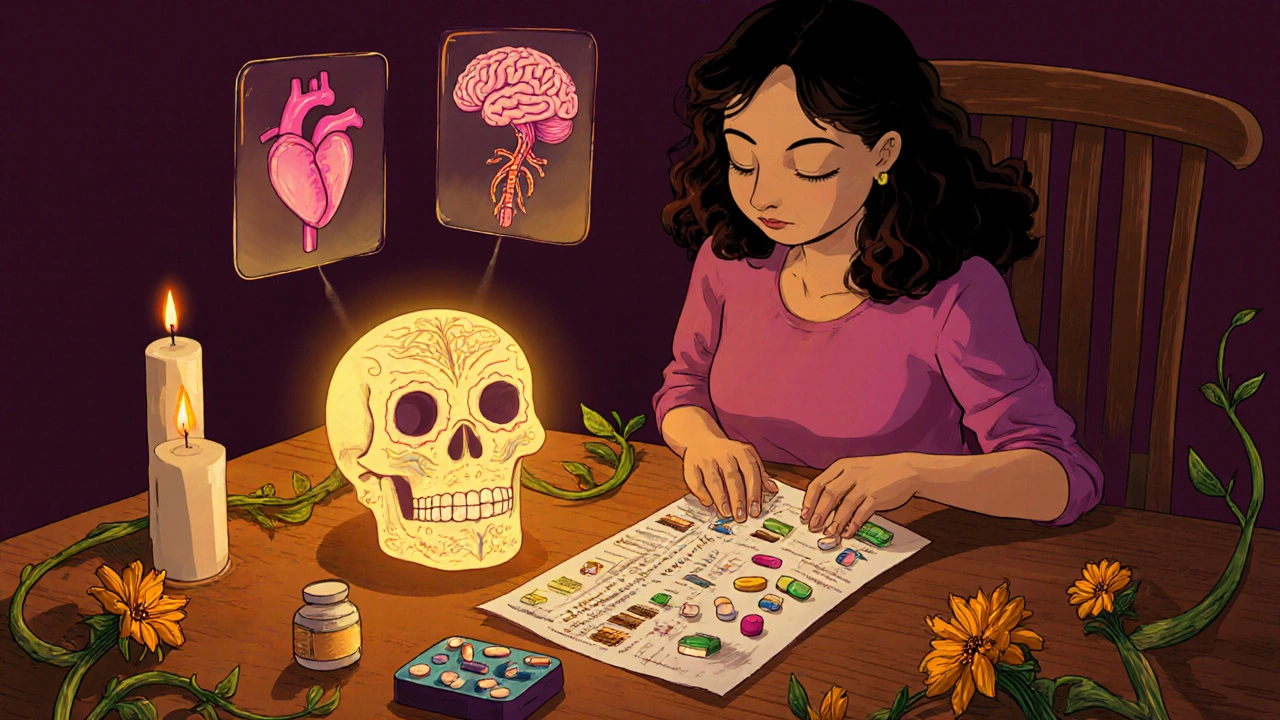
How to Create a Medication Plan Before Conception for Safety
A preconception medication plan helps reduce birth defect risks by reviewing and adjusting medications before pregnancy. Key steps include starting folic acid, switching unsafe drugs, managing chronic conditions, and coordinating care with your healthcare team.