Medication Reconciliation: Why Getting Your Drugs Right Saves Lives
When you take multiple medications, medication reconciliation, the process of comparing your current drug list with what’s been prescribed to catch errors and overlaps. It’s not just paperwork—it’s a safety net that stops deadly mix-ups. Think about it: you’re on blood pressure pills, a statin, maybe a painkiller, and a supplement like evening primrose oil. One of those could be making another one dangerous. That’s where medication reconciliation steps in—making sure nothing cancels out, overpowers, or accidentally harms you.
It’s especially critical if you’ve switched doctors, been hospitalized, or started using generic medications. Generic versions of drugs like warfarin or levothyroxine look the same but can behave differently in your body. That’s because of their narrow therapeutic index—a tiny change in dose can mean the difference between working and causing harm. One study found that switching generics without monitoring led to 1 in 5 patients needing emergency care. And it’s not just about generics. Supplements like evening primrose oil can lower your seizure threshold if you’re on antipsychotics. Your pharmacist might not know you’re taking it unless you tell them—and that’s where medication reconciliation makes the difference.
People with chronic conditions like multiple sclerosis, kidney failure, or PCOS are especially at risk. Their meds are complex, and side effects pile up. A drug that helps one thing might wreck another. That’s why pharmacogenetic testing is becoming part of the process. Your DNA can tell you if you’ll metabolize a drug too fast or too slow, cutting adverse reactions by 30%. And when you’re planning a pregnancy, getting your meds right before conception isn’t optional—it’s life-changing. That’s why so many posts here cover preconception plans, drug recalls, and how food changes how your pills work.
It’s not about trusting your memory. It’s about writing it down, checking it twice, and asking the right questions. Who’s managing all your meds? Did your surgeon know you were on that blood thinner? Did your new doctor see your full list? If you’ve ever had a drug recall notice, or wondered why your pain got worse after switching pills, you’ve felt the gap this process fills. Below, you’ll find real stories and hard facts about how drugs interact, why some generics are riskier than others, and how to protect yourself before it’s too late.
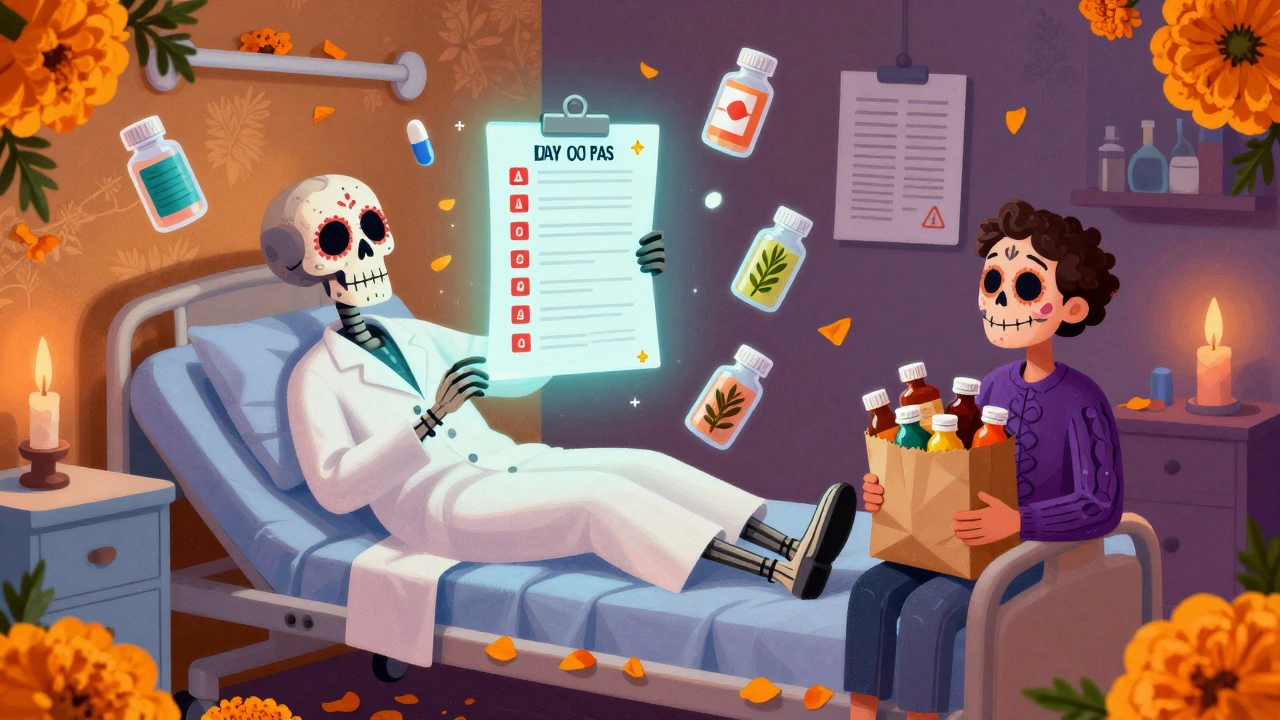
How to Prevent Medication Errors During Care Transitions and Discharge
Medication errors during care transitions are preventable but still happen in 60% of cases. Learn how medication reconciliation, pharmacist involvement, and better communication can stop these dangerous mistakes before they hurt patients.