Medication-Induced Delirium: Causes, Risks, and What You Can Do
When a drug suddenly makes someone confused, disoriented, or unable to think clearly, it’s often medication-induced delirium, a sudden and dangerous change in mental state caused by drugs, not dementia or stroke. Also known as drug-induced encephalopathy, it’s one of the most underrecognized side effects in older patients and those on multiple prescriptions. This isn’t just "getting drowsy"—it’s a medical emergency that can lead to falls, hospital stays, or even long-term cognitive damage if missed.
This isn’t rare. Studies show nearly 1 in 3 hospitalized older adults experience it at least once, and it’s often blamed on aging when it’s really the meds. Drugs like benzodiazepines, anticholinergics, opioids, and even some antibiotics can trigger it. The risk jumps when three or more drugs are taken together, especially if one affects the brain. pharmacogenetic testing, a DNA-based tool that shows how your body processes drugs can help predict who’s likely to have bad reactions before they happen. It’s not standard yet, but when used, it cuts delirium risk by up to 30%.
It’s not just about the drug itself—it’s about timing, dose, and the person’s health. Someone with kidney problems might build up a drug to toxic levels. Someone with Parkinson’s might react badly to an antihistamine. Even a single new pill, taken at night, can flip a switch in the brain. cognitive impairment, a broad term for reduced mental function, often linked to drug reactions in the elderly from meds can look like dementia, but it’s often reversible if caught early. That’s why checking every medication during routine visits matters—especially if the person is over 65, has memory issues, or just seems "off."
You don’t need to stop all meds. But you do need to question them. Ask: Could this be causing confusion? Is there a safer alternative? Is this still needed? Many delirium cases happen because someone’s on a sleep aid or painkiller they’ve taken for years—no one ever rechecked if it was still useful. elderly medication risks, the heightened chance of harmful side effects in older adults due to slower metabolism and multiple conditions are real, and they’re preventable with attention.
What you’ll find below are real cases and clear guides on how to spot the warning signs, which drugs are most likely to cause trouble, and how to work with your doctor to reduce risks without giving up needed treatment. From how food changes drug effects to why some generics are riskier than others, these posts give you the facts you need to protect yourself or a loved one. This isn’t theory—it’s what happens in clinics, homes, and hospitals every day. And you can do something about it.
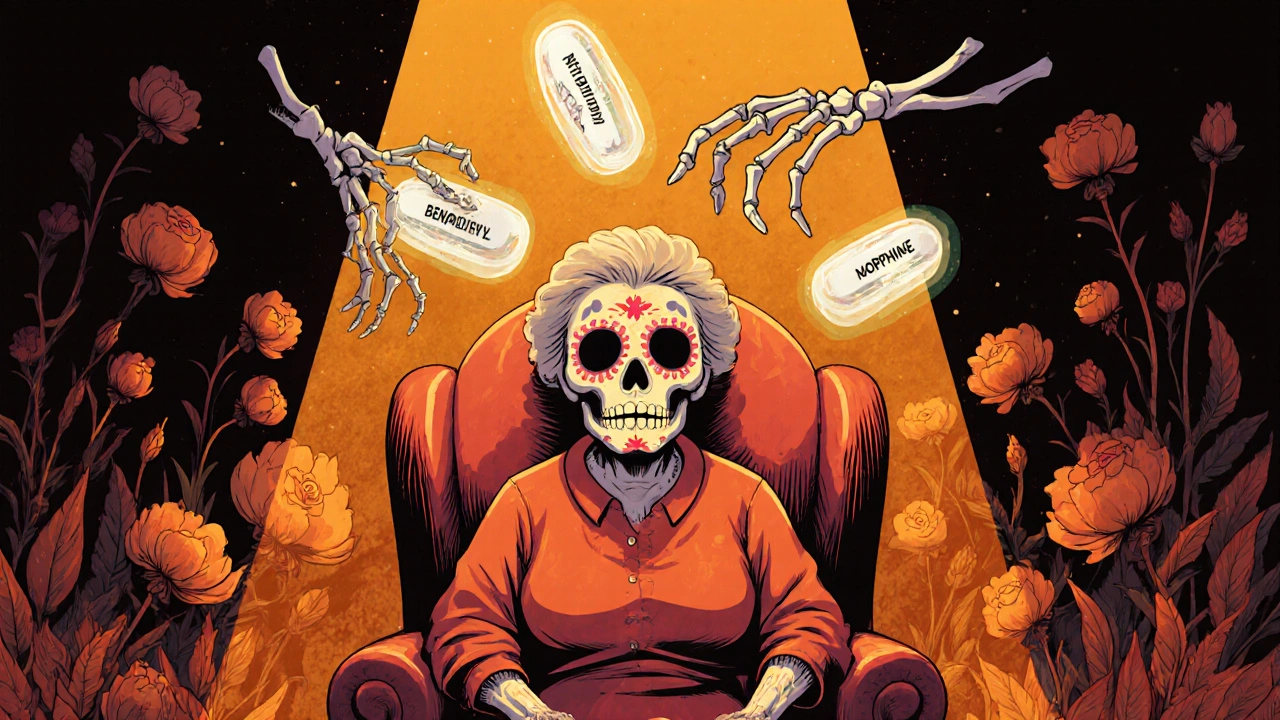
Medication-Induced Delirium in Older Adults: Signs, Risks, and How to Prevent It
Medication-induced delirium is a sudden, dangerous confusion in older adults caused by common drugs like Benadryl and benzodiazepines. Learn the signs, top risky medications, and how to prevent it before it's too late.