Dementia Risk: What Medications, Aging, and Brain Health Really Reveal
When we talk about dementia risk, the likelihood of developing memory loss and cognitive decline severe enough to interfere with daily life. Also known as cognitive decline risk, it's not just something that happens to older people—it’s often influenced by what’s in your medicine cabinet right now. Many assume dementia is inevitable with age, but research shows that up to 40% of cases may be prevented by managing lifestyle and medication factors. One of the biggest hidden drivers? Common drugs like Benadryl, sleep aids, and even some bladder medications that block acetylcholine—a brain chemical critical for memory. These are called anticholinergic drugs, and they don’t just cause drowsiness. They can trigger sudden confusion in seniors, known as medication-induced delirium, a sudden, reversible state of mental confusion caused by certain drugs, which, if repeated, may speed up long-term brain decline.
It’s not just about old pills. Your genes play a role too. pharmacogenetic testing, a DNA test that shows how your body processes specific medications can reveal if you’re more likely to build up toxic levels of certain drugs, increasing dementia risk over time. For example, some people metabolize statins or antidepressants so slowly that even normal doses start affecting their thinking. And while we often focus on heart health for brain protection, it’s the same story: what’s good for your arteries is good for your neurons. High blood pressure, diabetes, and chronic inflammation don’t just damage your heart—they quietly erode your cognitive reserve.
Here’s the thing: dementia risk isn’t a single switch you flip. It’s a pile of small, daily choices—what you eat, how you sleep, and yes, what your pharmacist hands you at the counter. Some medications you’ve taken for years might be quietly working against you. Others, like certain antipsychotics or even herbal supplements like evening primrose oil, have been linked to increased seizure risk and brain fog in vulnerable people. The good news? You don’t need a crystal ball to protect yourself. You just need to know what to look for.
Below, you’ll find real-world guides on the exact medications that increase dementia risk, how to spot early warning signs in older adults, and how to work with your doctor to swap out dangerous drugs for safer ones. No fluff. No fearmongering. Just clear, practical steps to reduce your risk before it’s too late.
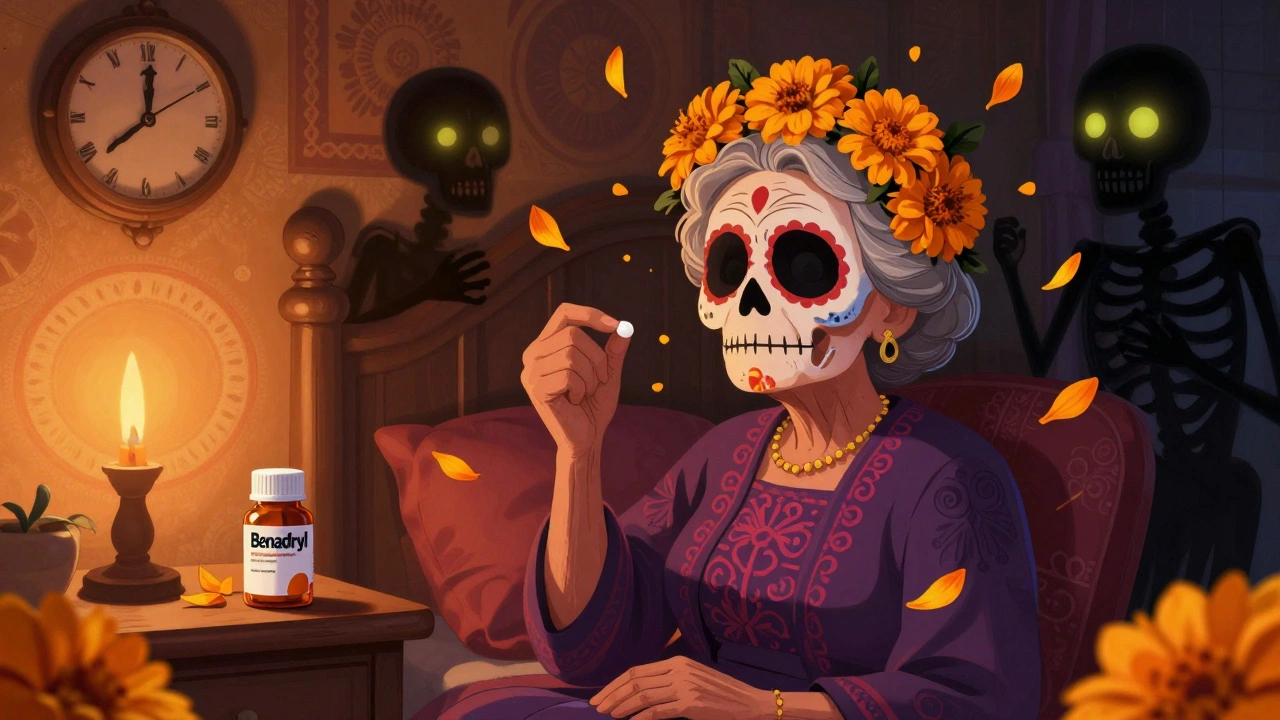
Antihistamines and Dementia Risk: What Older Adults Need to Know
First-generation antihistamines like Benadryl may increase dementia risk in older adults due to anticholinergic effects. Learn which ones are safe, what alternatives exist, and how to protect your brain long-term.