Cancer Pain Control: Manage Discomfort with Proven Strategies and Medications
When cancer pain control, the systematic approach to reducing physical discomfort caused by cancer or its treatment. It includes medications, nerve interventions, and supportive care to help patients live better while fighting disease. becomes a daily challenge, it’s not just about taking pills—it’s about matching the right tool to the right kind of pain. Cancer pain isn’t one thing. It can be sharp and sudden from a tumor pressing on a nerve, a deep ache from bone metastases, or a burning, electric feeling from chemo-damaged nerves. Each type needs a different strategy, and getting it wrong can mean unnecessary suffering.
opioid pain relief, strong medications like morphine, oxycodone, or fentanyl used for moderate to severe cancer pain. Also known as narcotics, they remain the backbone of treatment for many patients when used correctly. Still, they’re not the only answer. For burning nerve pain—common after surgery or from chemotherapy—drugs like gabapentin or amitriptyline often work better than opioids alone. And for patients who can’t tolerate side effects, non-drug options like nerve blocks or physical therapy can make a real difference. What matters most is that pain is tracked, talked about, and adjusted regularly. Too many people wait until pain is unbearable before speaking up, or assume it’s just part of the disease. It’s not. Effective palliative care, specialized medical care focused on relieving symptoms and improving quality of life for serious illnesses like cancer. teams exist to help patients and families navigate these choices, often working alongside oncologists to keep pain from stealing days, sleep, or hope.
Many of the posts here focus on the real-world challenges of managing pain through medication—like avoiding dangerous interactions, recognizing when a drug stops working, or dealing with side effects that make treatment harder. You’ll find advice on how to talk to your doctor about dosage changes, why some generic pain meds might not work the same as brand names, and what to do if nausea or confusion from pain drugs makes things worse. There’s also insight into how conditions like CRPS or neuropathy can mimic or worsen cancer pain, and how pharmacogenetic testing might help predict which drugs your body handles best. This isn’t theory. It’s what patients and caregivers actually deal with every day.
If you’re managing cancer pain—whether for yourself or someone you love—you’re not alone, and you don’t have to just endure it. The right plan can turn unbearable discomfort into something manageable. Below, you’ll find real stories, practical guides, and hard-won tips from people who’ve been there. No fluff. No sugarcoating. Just what works.
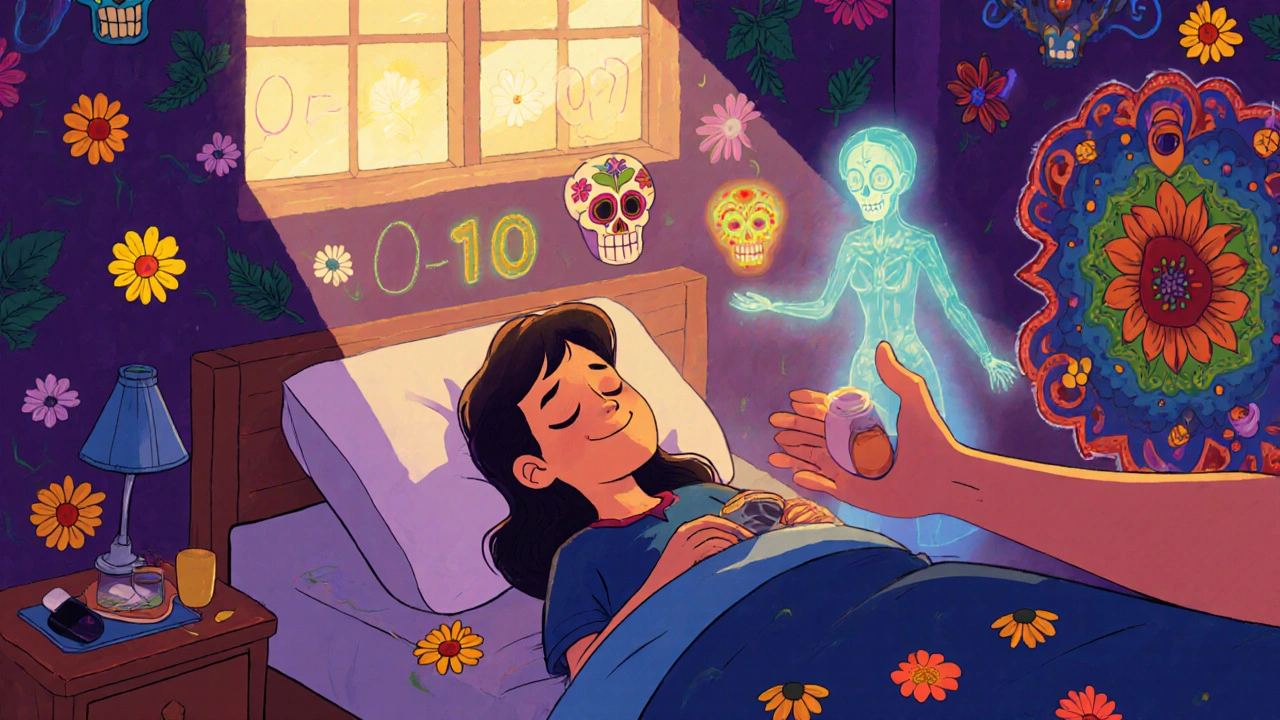
Palliative Care in Cancer: How to Control Pain and Improve Quality of Life
Palliative care for cancer focuses on controlling pain and improving quality of life through evidence-based pain management, early intervention, and holistic support-helping patients live better, not just longer.