Benadryl and Medication Risks: What Seniors Need to Know
When you think of Benadryl, an over-the-counter antihistamine used for allergies, sleep, and cold symptoms. Also known as diphenhydramine, it’s one of the most widely used drugs in American homes. But for people over 65, this little blue pill can be a silent danger. It’s not just about drowsiness — Benadryl is a strong anticholinergic drug, a class of medications that block acetylcholine, a key brain chemical for memory and focus. And when that chemical gets suppressed, confusion, memory lapses, and even full-blown medication-induced delirium, a sudden, dangerous state of mental confusion often triggered by common prescriptions can follow. Studies show up to 40% of delirium cases in older adults are tied to drugs like Benadryl, not infections or strokes.
Why does this happen? As we age, our bodies process drugs differently. Liver and kidney function slow down, so Benadryl stays in the system longer. At the same time, the brain becomes more sensitive to its effects. Many seniors take it for sleep, not realizing it doesn’t improve sleep quality — it just makes you drowsy. And that drowsiness? It can turn into disorientation by morning. Worse, it’s often mixed with other meds. People on blood pressure pills, antidepressants, or even stomach acid reducers might not know they’re stacking anticholinergics. That’s a recipe for trouble. The FDA and geriatric experts have been warning about this for years. Yet Benadryl is still sold next to cough syrup and pain relievers, with no age warning on the label.
It’s not just Benadryl. Other common drugs like sleep aids, bladder medications, and even some stomach remedies carry the same risk. But Benadryl is the most accessible — and the most misunderstood. Switching to non-anticholinergic alternatives like loratadine or cetirizine for allergies, or melatonin for sleep, can make a huge difference. And if you’re caring for an older parent or grandparent, check their medicine cabinet. Ask their pharmacist: "Is this safe for someone over 65?" Simple questions like that can prevent hospital visits and long-term cognitive decline.
The posts below dive into exactly how common drugs like Benadryl slip through the cracks in care, why pharmacy systems miss these risks, and what you can do to protect yourself. You’ll find real examples of how medication errors happen, how states regulate dangerous substitutions, and why even "safe" OTC pills can be dangerous in the wrong hands. This isn’t about fear — it’s about awareness. And awareness saves lives.

Antihistamines: First-Generation vs. Second-Generation Compared
First-generation antihistamines like Benadryl work fast but cause drowsiness. Second-generation options like Zyrtec and Claritin are non-drowsy and better for daily use. Learn which one suits your needs.
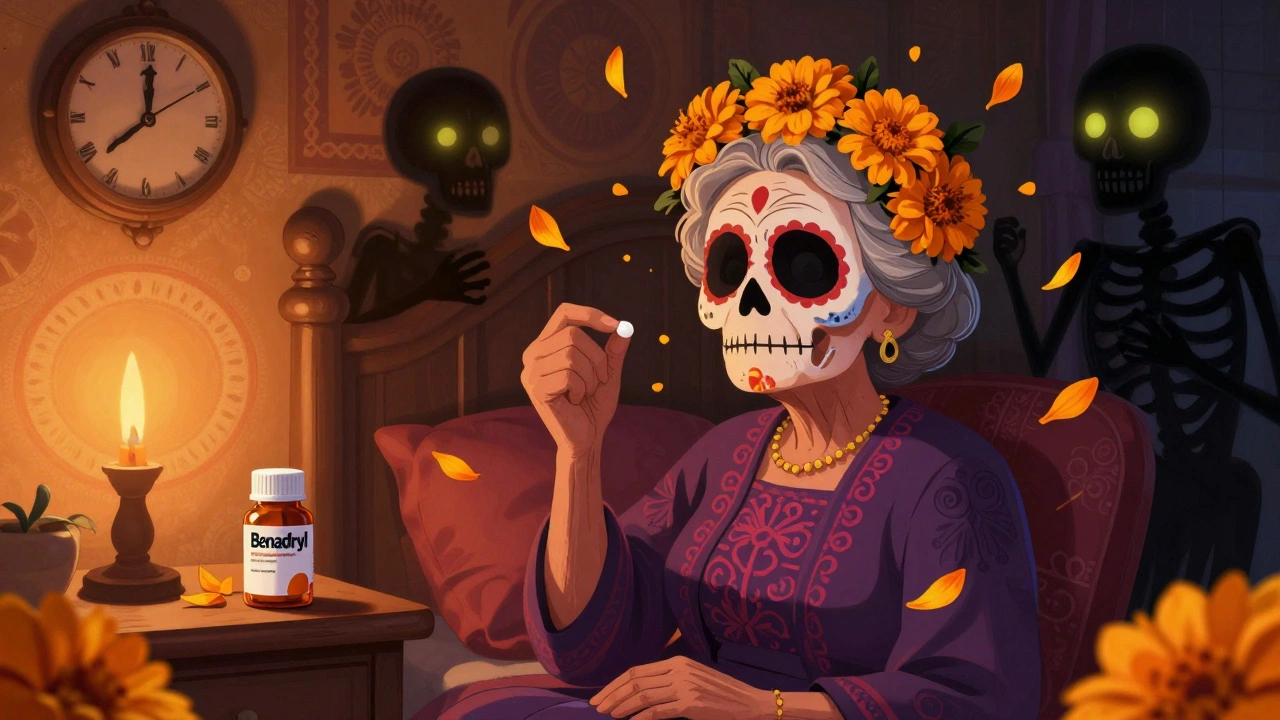
Antihistamines and Dementia Risk: What Older Adults Need to Know
First-generation antihistamines like Benadryl may increase dementia risk in older adults due to anticholinergic effects. Learn which ones are safe, what alternatives exist, and how to protect your brain long-term.