Analgesic Nephropathy: Understanding NSAID Risks and Safer Pain Control Strategies
 Mar, 30 2026
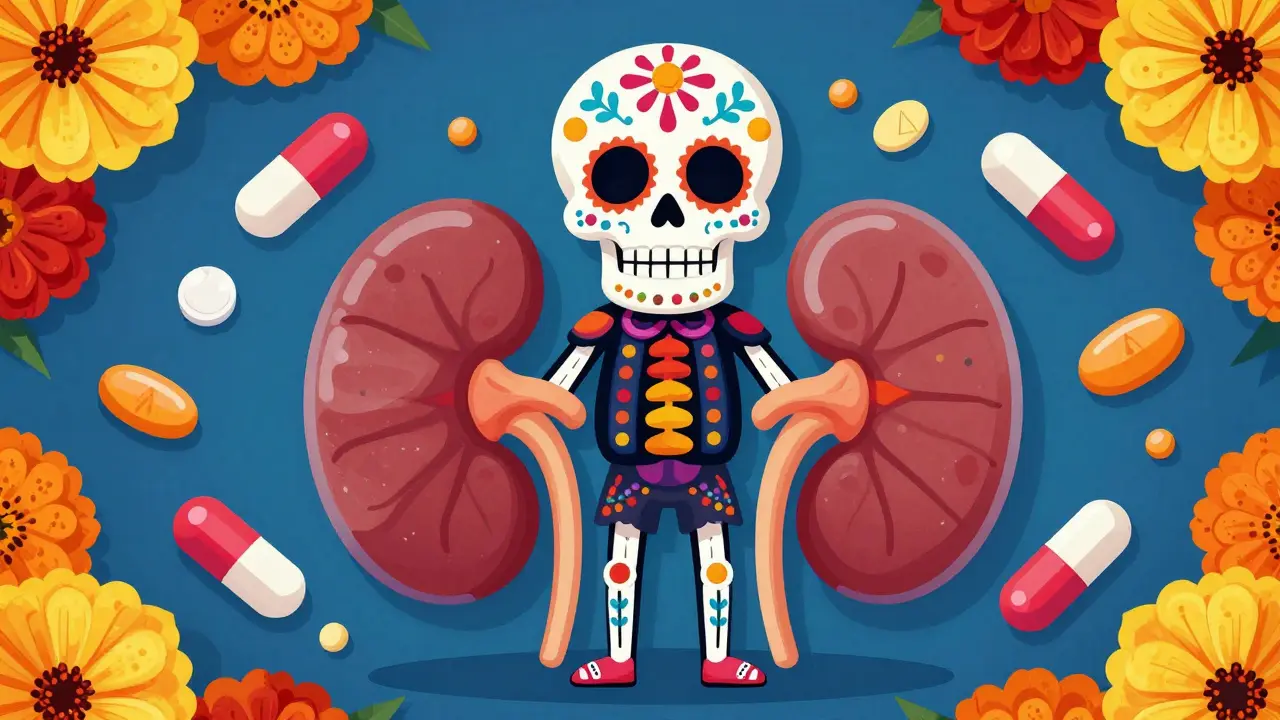
You might take a pill for your morning headache or knee pain without a second thought. But what if those everyday tablets were quietly damaging your kidneys? It sounds alarming, yet millions of people manage chronic pain using medications that carry hidden risks. The condition is called Analgesic Nephropathya form of chronic tubulointerstitial nephritis caused by cumulative use of analgesic medications.. While we often hear about heart health or diabetes, kidney protection remains an afterthought until it's too late. By understanding how over-the-counter drugs impact Renal Blood Flowthe volume of blood delivered to the kidneys per unit time., you can take control before irreversible damage sets in.
This isn't just theoretical medical jargon. In the past, this specific type of kidney injury accounted for up to 10% of end-stage kidney disease cases in certain regions. Today, while rates have dropped due to stricter regulations, the risk remains real for anyone relying heavily on pain relief. Whether you suffer from migraines, arthritis, or back pain, knowing the difference between safe use and abuse is crucial for your long-term health.
The Hidden Damage Behind the Pill Counter
When you swallow a painkiller, it doesn't just disappear; it travels through your system, altering blood chemistry. The primary mechanism behind NSAID risks involves constriction of the small blood vessels in the kidneys. Normally, these vessels open to filter waste efficiently. However, Nonsteroidal Anti-Inflammatory Drugs (NSAIDs)medications such as ibuprofen, naproxen, and aspirin used to reduce pain and inflammation. block the production of prostaglandins, which are chemical messengers that keep these vessels dilated. Without them, blood flow drops significantly.
Imagine water pressure in a garden hose. If you squeeze the hose, less water gets through, and the plant dies. Similarly, when renal blood flow drops by 25-40%, kidney tissue begins to starve. Oxidative damage follows rapidly. Antioxidants within the kidney cells get consumed trying to neutralize the stress. Once reserves deplete, tissue necrosis occurs. This process, known as papillary necrosis, creates scars that don't heal properly, leading to Chronic Kidney Disease (CKD)progressive loss of kidney function over time..
Historically, phenacetin-containing combinations posed the highest threat. Phenacetin was so toxic that major markets banned it decades ago. However, modern combination products containing caffeine, codeine, or acetaminophen still pose significant dangers. A single ingredient might be manageable, but mixing active compounds increases toxicity exponentially. Studies indicate that combination pills are nearly four times more likely to cause nephropathy compared to single-ingredient formulations.
Who Is Most at Risk?
Not everyone who takes Tylenol or Advil will develop kidney problems. Certain groups face much higher odds. Epidemiological data consistently shows that individuals older than 45 years are most vulnerable. Furthermore, women over 30 managing chronic pain conditions represent a disproportionately high percentage of diagnosed cases. Why does this demographic stand out?
Often, it comes down to duration and dosage. The risk skyrockets when someone consumes six or more pills daily for three years or longer. This pattern is frequently seen in patients with migraines, menstrual cramps, or fibromyalgia who self-medicate without regular check-ups. High-risk profiles also include those with pre-existing hypertension or diabetes. If your kidneys are already working harder, adding NSAIDs acts like pouring gasoline on a fire.
Many patients remain asymptomatic for years. You won't feel your kidneys failing immediately. Instead, you might notice fatigue, swelling in your ankles, or high blood pressure readings that seem unexplained. A common scenario involves routine screening picking up elevated creatinine levels before any pain appears. Early detection saves lives, but ignoring subtle signs leads to dialysis dependency later.
| Medication Class | Nephrotoxic Potential | Safe Usage Limit (General Guideline) | Key Mechanism |
|---|---|---|---|
| Oral NSAIDs | Moderate to High | ≤ 3 days/week without consultation | Vasoconstriction of renal arteries |
| Acetaminophen | Low to Moderate | ≤ 3,000 mg/day | Oxidative stress with prolonged excessive use |
| Combination Products | Very High | Avoid daily use | Cumulative toxicity of multiple ingredients |
| Topical NSAIDs | Low | As directed | Minimal systemic absorption |
Diagnosing the Silent Thief
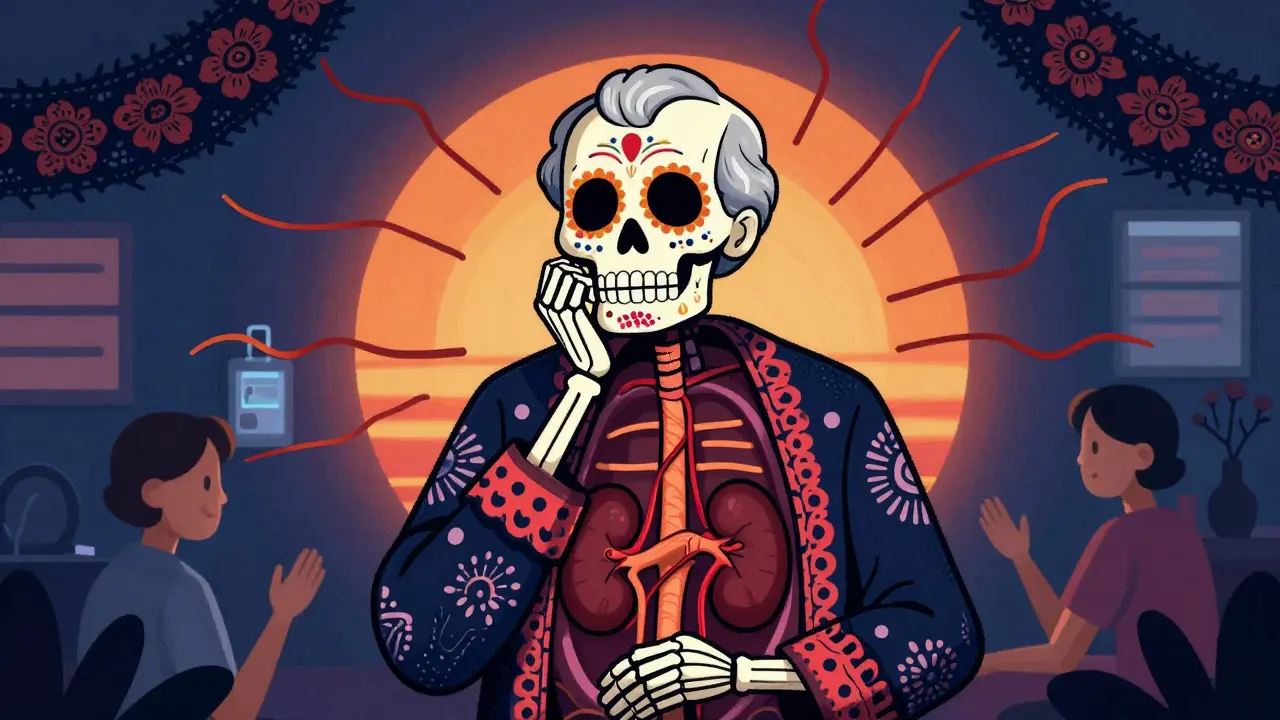
Doctors rarely diagnose this condition by accident. They usually look for it when other markers rise. Diagnostic criteria require evidence of chronic kidney injury alongside specific urinary findings. Typically, proteinuria is non-nephrotic, meaning protein loss is less than 3.5 grams per day. Urinary sediment often looks "bland," lacking red blood cells, which differentiates it from glomerulonephritis.
Advanced imaging helps confirm the suspicion. Noncontrast CT scans reveal papillary calcifications with high sensitivity and specificity. These calcifications show up clearly in early stages. Interestingly, a new point-of-care urine test approved recently has shown a 92% sensitivity for detecting incipient renal papillary damage. This allows intervention before permanent failure occurs.
Beyond imaging, simple lab work tells a story. Serum creatinine monitoring becomes mandatory for high-risk individuals. If you rely on pain meds regularly, checking this number every six months provides a vital safety net. Ignoring these trends often leads to discovering Stage 4 or 5 kidney disease unexpectedly.

Safer Pathways for Pain Management
Living without pain isn't the goal; living without kidney failure is. Stopping all medication abruptly can cause rebound headaches and functional decline. The American College of Rheumatology suggests a stepwise approach to replace harmful habits with safer ones.
- Start with non-pharmacological tools: Physical therapy, cognitive behavioral therapy, and heat wraps often provide significant relief without systemic load.
- Optimize topical application: Gels and patches deliver pain relief directly to joints. Trials show they reduce systemic exposure by 90% compared to swallowing a tablet, protecting your internal organs while soothing external pain.
- Cap oral consumption: If you must take oral meds, strictly limit usage. Keep ibuprofen under 1,200 mg daily and never exceed 3 days of continuous use without medical oversight.
- Rotate medications: Don't mix classes unless prescribed. Codeine combined with acetaminophen offers diminishing returns but increasing danger.
Newer alternatives are emerging too. Prescription CGRP inhibitors offer migraine relief with no recorded renal risk, though cost remains a barrier. For general joint pain, devices delivering therapeutic heat have received FDA clearance for safety. Sometimes, switching from oral to non-orally absorbed treatments changes the entire equation of renal safety.
Patient stories highlight the reality of this shift. One individual described taking eight Excedrin Migraine tablets daily for seven years before their GFR plummeted. Fortunately, once identified, stopping the intake allowed stabilization in many similar cases. About 73% of patients who quit analgesic overuse upon diagnosis showed no further decline over five years. The kidney has a remarkable ability to hold steady if you stop the assault.
Long-Term Outlook and Prevention
We cannot reverse scarred tissue, but we can prevent new damage. Education is the most effective vaccine here. Regulatory bodies have updated labels to warn consumers, yet a significant portion of adults still exceed recommended dosages. Manufacturers are reformulating products to remove high-risk additives like caffeine.
Financially, the burden is heavy. Treatment costs for early management average $18,500 per year, skyrocketing to $90,000 annually once dialysis is required. Preventing progression through lifestyle changes and monitoring yields better outcomes than fixing broken filters later.
Ultimately, the goal is sustainable comfort. Pain shouldn't demand your future health as payment. By adhering to quantitative limits and utilizing safer delivery systems, you preserve both your comfort and your kidney function. Regular monitoring transforms fear into management, giving you peace of mind that your choices are safe.
Can you reverse kidney damage caused by painkillers?
Reversing established scarring isn't possible, but stopping the offending agent often prevents progression. Studies show that 73% of patients stabilized kidney function after discontinuing excessive analgesic use.
Which pain reliever is safest for the kidneys?
Acetaminophen generally carries lower risk than NSAIDs, but still requires dosage caps. Topical NSAIDs are considered safer than oral forms because they minimize systemic absorption.
What are the early symptoms of analgesic nephropathy?
Early signs are often silent, detectable only via blood tests. Later symptoms include fatigue, hypertension, ankle swelling, and difficulty concentrating urine.
How often should I check my kidney function on pain meds?
If you require chronic therapy, clinical guidelines recommend serum creatinine monitoring every six months. High-risk patients may need monthly checks initially.
Are combination pain pills worse than single ingredients?
Yes, research indicates combination products are 3.7 times more likely to cause nephropathy than single-ingredient formulations due to cumulative toxicity.
Debbie Fradin
March 30, 2026 AT 19:20It is hilarious how big pharma tries to kill us all while we just want a headache gone without ruining our insides forever.
Michael Kinkoph
March 31, 2026 AT 16:11This information is absolutely critical for the average person who refuses to educate themselves properly. Most individuals simply ignore the warnings because they lack the intellectual capacity to process risk management. They walk around thinking they are immune to biological reality. Society has become too dependent on chemical crutches to survive discomfort. You must acknowledge your own fragility regarding these substances immediately. The pharmaceutical industry does not care about your renal health in the slightest. Only you are responsible for monitoring your own blood work consistently. The idea that anyone continues to take medication without supervision is beyond me entirely. The arrogance of self-medication is truly a plague upon modern civilization. We see the consequences in hospital wards every single day without fail. Patients refuse to accept responsibility for their declining health markers. Education is a luxury that most people seem to abandon completely now. I cannot fathom how anyone skips a creatinine test annually. Your life depends on basic discipline and understanding of physiology. Stop acting like a consumer rather than a steward of your body. Wake up before it is far too late to reverse the damage done.
dPhanen DhrubRaaj
March 31, 2026 AT 21:04back in my village we mostly used herbal things before the modern pills became popular everywhere
i think people here trust the doctors too much without checking what happens inside the body later
maybe slow down is better than fast cure every time
Jonathan Sanders
April 2, 2026 AT 04:41Wow thank god someone said it instead of all us sheep following the herd blindly.
Your lecture was really inspiring for those of us who already know this deep down anyway.
It is exhausting dealing with people who act surprised when medicine fails them constantly.
I feel drained just reading about how ignorant people are regarding basic biology today.
Please tell everyone else to read your brilliant work while i go nap alone now.
Christopher Curcio
April 3, 2026 AT 13:41You are correct regarding the vasoconstriction mechanisms involved in renal artery flow reduction.
The inhibition of cyclooxygenase pathways leads to significant hemodynamic shifts in the medulla.
Many patients exhibit subclinical proteinuria before overt symptoms manifest clinically.
Monitoring serum creatinine clearance rates remains paramount for longitudinal safety assessments.
We must consider the oxidative stress burden placed on glomerular filtration units repeatedly.
Empathy is needed for those suffering chronic nociception requiring pharmacologic intervention frequently.
Prevention strategies should focus on alternative analgesic modalities like topical diclofenac preparations.
This protects the intrinsic vascular resistance parameters within the nephron structural integrity.
Adryan Brown
April 3, 2026 AT 15:45It is important to discuss how lifestyle changes can mitigate these risks significantly.
Physical activity helps circulation and reduces the reliance on chemical pain management.
Dietary choices also impact inflammation levels throughout the entire system.
Hydration plays a massive role in maintaining proper renal blood flow consistently.
Stress management techniques are often overlooked but crucial for overall recovery.
Heat application to painful areas can provide relief without systemic absorption issues.
Cognitive behavioral therapy has shown positive results for chronic pain sufferers globally.
Avoiding combination pills reduces the cumulative toxic load on the kidneys effectively.
Regular screening appointments ensure early detection of potential problems beforehand.
Patient education remains the cornerstone of preventing end-stage kidney disease outcomes.
Doctors need to communicate risks clearly without causing unnecessary panic among patients.
Families should encourage each other to monitor medication usage schedules regularly.
Community support groups offer valuable resources for managing chronic conditions safely.
Past mistakes inform future decisions regarding safer pharmaceutical alternatives available.
We must prioritize long-term health preservation over immediate temporary comfort levels.
Biraju Shah
April 4, 2026 AT 21:45Everyone needs to understand that ignoring the signs leads to dialysis eventually
We all love pain relief but the cost is high when you lose function permanently
I suggest reading the labels more closely next time you reach for the ibuprofen jar
Let's look out for each other and share this info with family members who rely heavily on meds daily
Angel Ahumada
April 6, 2026 AT 11:55the essence of pain is merely a signal our consciousness ignores too often in pursuit of comfort
we become addicts to oblivion rather than seekers of truth within the physical vessel
society demands productivity at the cost of our vital filtering organs which sustain existence itself
is it worth trading tomorrow for today relief we must ask ourselves deeply
i believe the spirit suffers when the kidney dies silently beneath the noise of daily life
Kendell Callaway Mooney
April 7, 2026 AT 03:18Topical gels are a great swap if you have joint pain instead of headaches.
Put the cream right on the knee instead of swallowing the pill every morning.
Keep the total amount low so your liver and kidneys stay healthy.
Ask your doctor about heat wraps or physical therapy options first.
Small changes help a lot without needing new prescriptions every week.