Teratogenic Drugs: What They Are and Which Ones to Avoid During Pregnancy
When you’re pregnant, every pill, supplement, or over-the-counter remedy carries weight. Teratogenic drugs, substances that can interfere with fetal development and cause birth defects. Also known as fetal toxins, these are not just rare lab findings—they’re real medications that millions of women may unknowingly take before realizing they’re pregnant. It’s not about fear. It’s about awareness. Many common prescriptions, even some you think are harmless, can disrupt how your baby’s organs form—especially in the first 12 weeks.
Think about it: your baby’s heart, brain, limbs, and eyes are all being built in the first trimester. If a drug crosses the placenta at the wrong time, it can throw off that process. Isotretinoin, a powerful acne treatment, is one of the most well-documented teratogens—it can cause severe skull, heart, and brain defects. Thalidomide, once prescribed for morning sickness, led to thousands of limb deformities in the 1950s and still serves as a grim warning. Even valproic acid, used for epilepsy and bipolar disorder, raises the risk of autism and cognitive delays. These aren’t hypothetical risks. They’re documented, studied, and avoidable.
But here’s the good news: not all drugs are dangerous, and not all risks are equal. Some medications are safe at certain stages, while others need to be swapped out before conception. Teratogenic drugs don’t mean you can’t get pregnant or can’t take medicine—you just need to know which ones to avoid, when, and what to use instead. That’s why the posts here don’t just list scary names. They show you real comparisons: what’s safe vs. risky, how to talk to your doctor, and how to spot hidden teratogens in common prescriptions like antidepressants, antibiotics, or even some herbal supplements.
You’ll find guides on how pharmacogenetic testing can help predict your body’s reaction to meds, how food affects drug safety, and how to compare alternatives for fertility treatments that won’t harm a developing baby. Whether you’re trying to conceive, just found out you’re pregnant, or helping someone who is, this collection gives you the facts—not the fear. No fluff. No jargon. Just what you need to make smart choices for your body and your baby’s future.

Preconception Medication Counseling: How to Adjust Drugs to Protect Future Babies
Preconception medication counseling helps women adjust risky drugs before pregnancy to prevent birth defects. Learn which medications are dangerous, safe alternatives, and how to talk to your doctor - even if you're not planning to get pregnant.
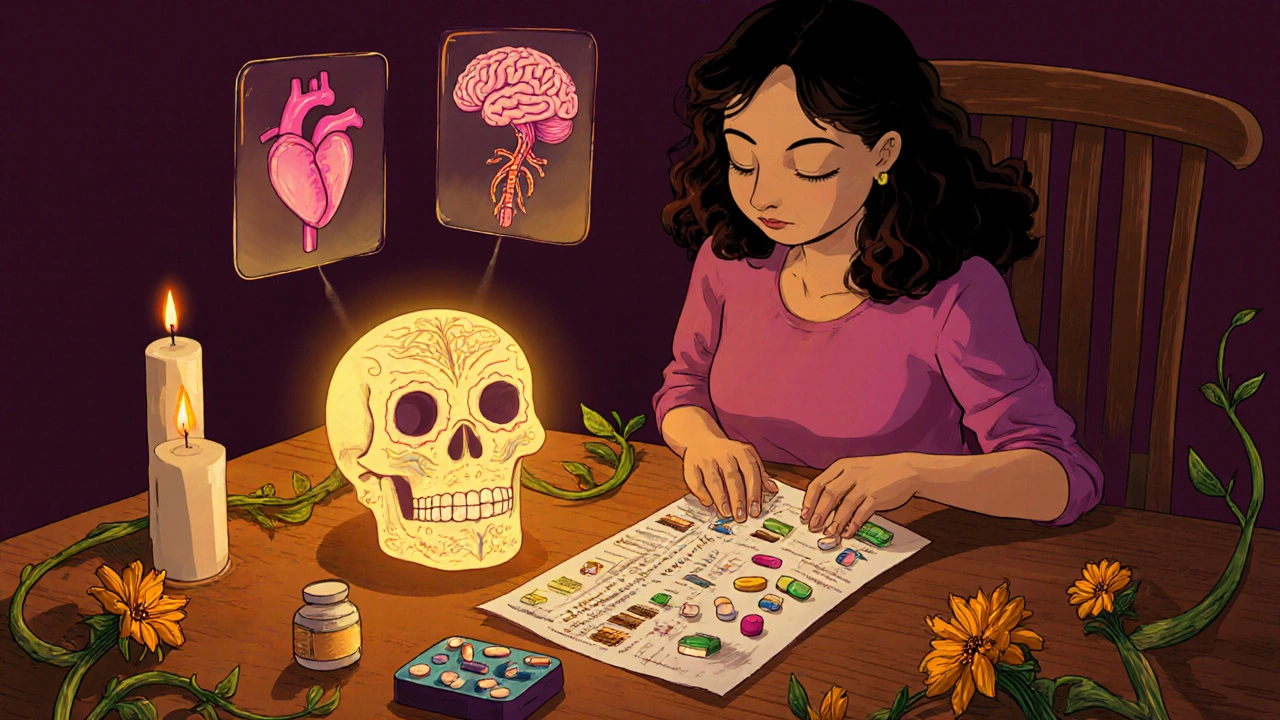
How to Create a Medication Plan Before Conception for Safety
A preconception medication plan helps reduce birth defect risks by reviewing and adjusting medications before pregnancy. Key steps include starting folic acid, switching unsafe drugs, managing chronic conditions, and coordinating care with your healthcare team.