Senior Medications: What Older Adults Need to Know About Safety, Interactions, and Alternatives
When you’re over 65, senior medications, drugs prescribed to manage chronic conditions in older adults, often involve multiple daily doses and complex timing. Also known as geriatric pharmacotherapy, it’s not just about taking pills—it’s about staying alive and feeling well while doing it. Many seniors take five or more medications at once, a situation called polypharmacy, the use of multiple medications by a patient, often leading to increased risk of adverse effects. This isn’t always avoidable—diabetes, high blood pressure, arthritis, and thyroid issues are common with age—but it’s dangerous if not managed carefully.
One big problem? medication interactions, when two or more drugs react in a way that changes their effect, often dangerously. Grapefruit juice can wreck how your heart meds work. Antacids can block your thyroid pill. Even common supplements like calcium or vitamin K can interfere. And it’s not just about drugs—food, sleep, and kidney function all change as you age, which means the same dose that worked at 50 might cause a fall at 75. Studies show that over 40% of hospital visits by seniors are linked to bad drug reactions, and many of these are preventable.
That’s where pharmacogenetic testing, using your DNA to predict how your body will respond to certain drugs comes in. It’s not science fiction—it’s already cutting adverse reactions by 30% in clinics that use it. Some people metabolize blood thinners too fast. Others turn painkillers into toxins. A simple cheek swab can show you which meds to avoid before you even start them. It’s not covered everywhere yet, but if you’re on four or more meds, it’s worth asking your doctor.
And then there’s the silent issue: outdated prescriptions. A pill for a condition you no longer have. A dose that hasn’t been checked in years. A drug replaced by something safer. Many seniors keep taking meds because "it was prescribed," not because it’s still needed. A medication review isn’t a luxury—it’s a necessity. It’s not about cutting pills—it’s about keeping the right ones and ditching the ones that could hurt you.
What you’ll find below isn’t theory. It’s real, practical advice pulled from posts written by people who’ve been there. You’ll see how to compare generic versions of common drugs to save money without risking safety. You’ll learn how food changes how your meds work—like why dairy ruins some antibiotics and why grapefruit can be deadly with statins. You’ll find guides on switching from risky drugs to safer alternatives, how to build a preconception plan if you’re still trying to conceive, and how to spot when a medication is doing more harm than good. This isn’t about being scared of pills. It’s about taking control of them.
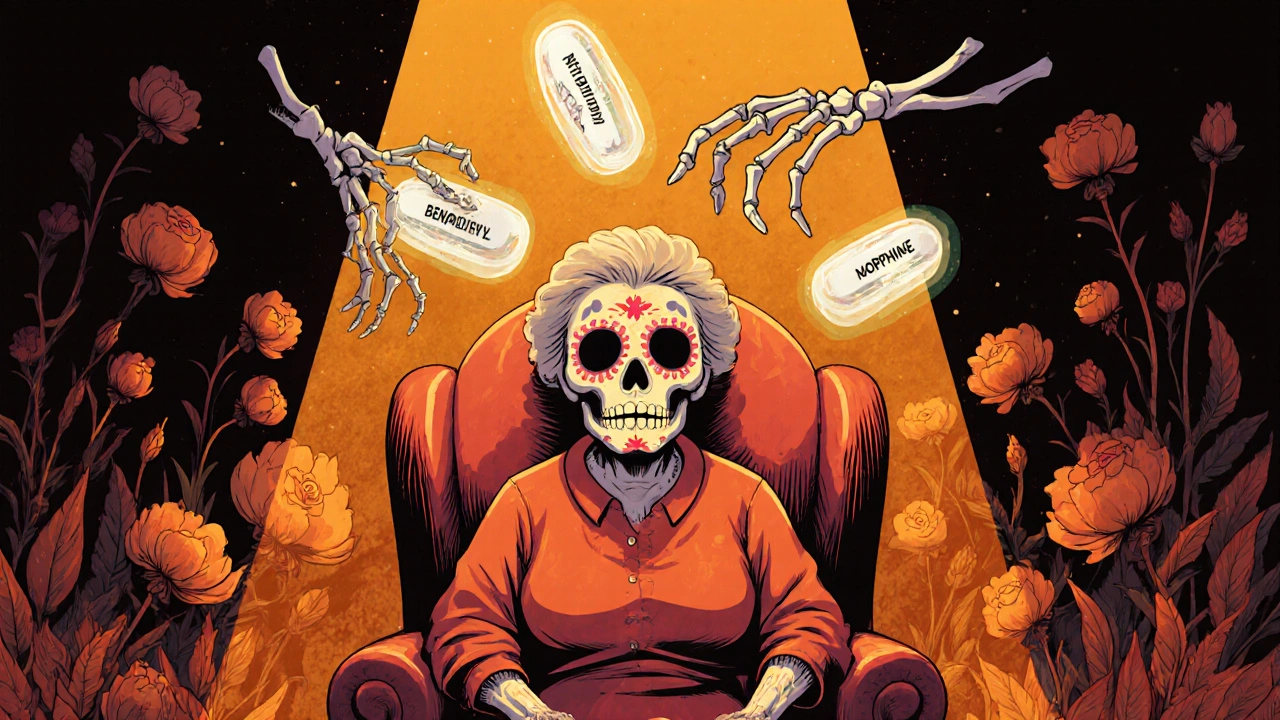
Medication-Induced Delirium in Older Adults: Signs, Risks, and How to Prevent It
Medication-induced delirium is a sudden, dangerous confusion in older adults caused by common drugs like Benadryl and benzodiazepines. Learn the signs, top risky medications, and how to prevent it before it's too late.