Safe Medications Before Pregnancy: What Works and What to Avoid
When you're planning to get pregnant, not all medications are created equal. Safe medications before pregnancy, drugs that won’t harm fertility or early fetal development. Also known as preconception-safe drugs, these are the ones your doctor should review before you stop birth control. Many women don’t realize that even over-the-counter pills, herbal supplements, or long-term prescriptions can affect ovulation, hormone balance, or embryo implantation. It’s not just about avoiding alcohol or caffeine—some common painkillers, antidepressants, and even acne treatments carry hidden risks you won’t find on the label.
One major factor is how your body processes drugs. Pharmacogenetic testing, a DNA-based method that shows how you metabolize specific drugs can reveal if you’re at higher risk for side effects from medications like SSRIs or blood thinners. Studies show this testing cuts adverse reactions by 30% when done before conception. Another key player is drug interactions, how food, other meds, or supplements change how a drug works in your body. Grapefruit can make some fertility drugs too strong. Dairy can block antibiotics. Vitamin K can undo blood thinners. These aren’t just minor warnings—they can derail your timeline.
What you take now matters for what happens next. If you’re on medication for thyroid issues, PCOS, depression, or even high blood pressure, switching or adjusting before pregnancy isn’t optional—it’s essential. Some drugs like finasteride or certain NSAIDs can lower egg quality or disrupt hormone cycles. Others, like folic acid or low-dose aspirin under medical supervision, are actually recommended. The goal isn’t to stop all meds, but to replace risky ones with safer alternatives. You don’t need to go cold turkey—you need a smart plan.
Below, you’ll find real comparisons and science-backed advice on what to keep, what to swap, and what to quit before trying to conceive. From how cabergoline helps with prolactin-related infertility to why certain antibiotics and antivirals need timing adjustments, these posts cut through the noise. No fluff. No guesswork. Just clear, practical info to help you move forward safely.
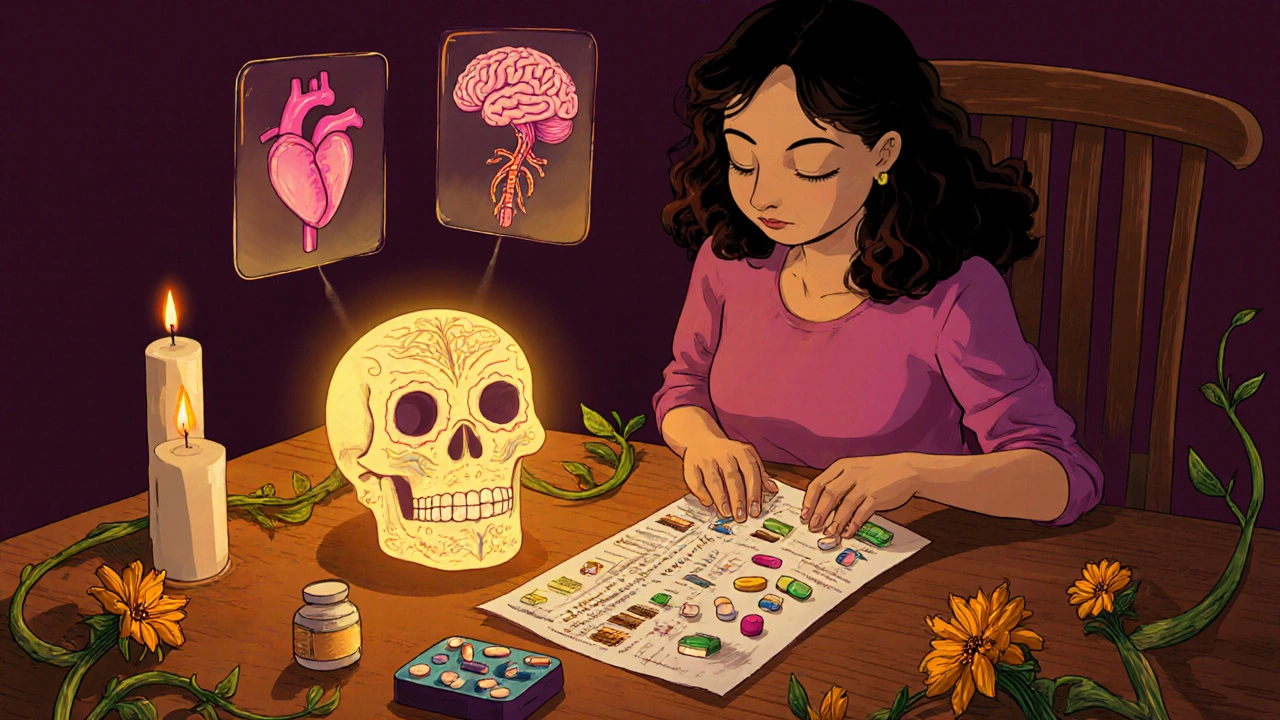
How to Create a Medication Plan Before Conception for Safety
A preconception medication plan helps reduce birth defect risks by reviewing and adjusting medications before pregnancy. Key steps include starting folic acid, switching unsafe drugs, managing chronic conditions, and coordinating care with your healthcare team.