Prevent Dispensing Errors: How to Stop Medication Mistakes Before They Happen
When a pharmacist hands you a prescription, you assume it’s correct. But prevent dispensing errors, mistakes in filling or giving out medications that can cause serious harm. Also known as medication errors, these happen more often than you think—especially when switching between brand and generic drugs or splitting pills at home. A single wrong dose, a confused label, or an unapproved generic swap can lead to hospitalization—or worse. These aren’t rare accidents. They’re systemic problems rooted in how drugs are labeled, distributed, and managed across pharmacies, hospitals, and homes.
One major risk comes from generic drug substitution, when a pharmacy swaps a brand-name drug for a cheaper generic without checking if it’s safe for your condition. For drugs like warfarin, levothyroxine, or tacrolimus, even tiny changes in absorption can cause blood clots, organ rejection, or thyroid crashes. That’s why 27 U.S. states have special rules blocking these swaps for narrow therapeutic index drugs, medications where the difference between a safe dose and a toxic one is very small. Another hidden danger is pill splitting, crushing or cutting tablets to save money or adjust dose. Many pills aren’t meant to be split—time-release coatings break, uneven doses form, and contamination from dust or residue can happen. One study found nearly 40% of people who split pills at home get inconsistent doses.
And it doesn’t stop at the pharmacy. When you move from hospital to home, or switch doctors, medication lists get lost. That’s why medication reconciliation, the process of comparing your current meds with what’s been prescribed. is one of the most powerful tools to prevent errors. It’s not just paperwork—it’s a conversation you need to have every time your care changes. Ask: "What am I taking now? Why? What changed?" If your pharmacist or nurse doesn’t offer this, ask for it.
These aren’t abstract risks. They’re real, preventable dangers that affect millions. The posts below give you exact steps to protect yourself: how to spot dangerous generic switches, which pills should never be crushed, how to read labels like a pro, and what to say when something feels off. You don’t need to be a doctor to catch a mistake—you just need to know what to look for. And that’s exactly what you’ll find here.
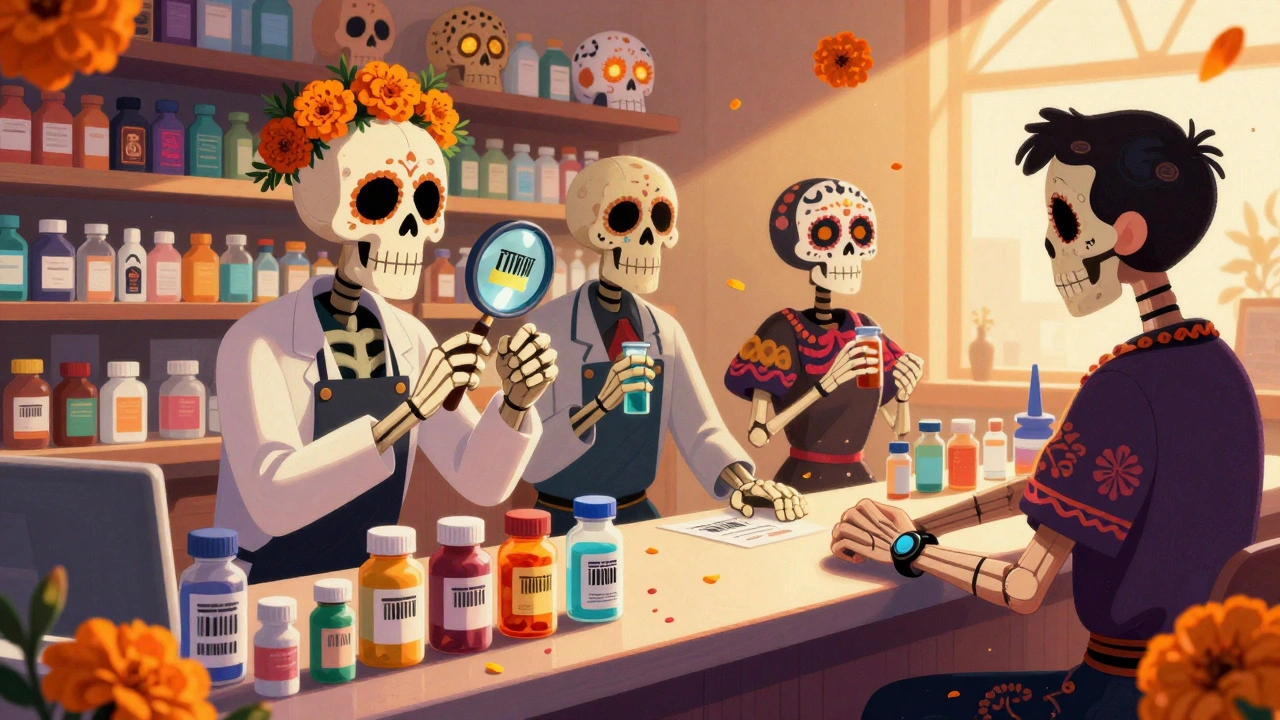
Common Pharmacy Dispensing Errors and How to Prevent Them
Dispensing errors in pharmacies happen more often than you think-1.6% of all prescriptions. Learn the most common mistakes, why they occur, and how proven systems like barcode scanning and double-checks can prevent them before they harm patients.