Preconception Medication Plan: What You Need to Take Before Trying to Conceive
When you're getting ready to conceive, your body isn't just waiting—it's preparing. A preconception medication plan, a targeted set of supplements and medications taken before pregnancy to improve fertility and reduce risks isn't optional—it's your best shot at a healthy start. This isn't about popping random vitamins. It's about knowing exactly what your body needs based on your health, your genes, and your history. Many people skip this step and wonder why conception takes longer or why early pregnancy gets complicated.
One key player in any solid plan is folic acid, a B vitamin proven to prevent neural tube defects when taken before and during early pregnancy. The CDC recommends 400 mcg daily, starting at least one month before trying. But it’s not one-size-fits-all. If you’ve had a previous pregnancy affected by neural tube defects, your doctor might suggest 4,000 mcg. Then there’s pharmacogenetic testing, a DNA test that shows how your body processes medications, helping avoid side effects or ineffective doses. For example, if you’re on antidepressants or thyroid meds, this test can tell you if you need a higher or lower dose before conception even begins.
For women with PCOS or irregular cycles, ovulation induction, the use of drugs like clomiphene or letrozole to trigger egg release is often part of the plan. Fertomid (clomiphene) works for many, but studies show letrozole can be more effective—especially if you have insulin resistance. That’s why a good preconception plan doesn’t just list drugs—it connects them to your unique biology. If you’re overweight, metformin might be added to improve insulin sensitivity and restart ovulation. If you’re low on vitamin D or iron, those get fixed first. And if you’ve had a miscarriage or failed IVF cycle before, your plan might include low-dose aspirin or thyroid hormone adjustment.
Don’t overlook what you’re not taking. Some OTC painkillers, herbal supplements, or even certain antibiotics can mess with fertility or early embryo development. Grapefruit can interfere with hormone meds. High-dose antioxidants might sound helpful, but too much can backfire. Your plan isn’t just about adding things—it’s about removing risks. And if you’re on long-term meds for conditions like epilepsy, autoimmune disease, or depression, your doctor needs to switch you to pregnancy-safe versions before you start trying.
There’s no magic pill. But a smart, personalized preconception medication plan cuts down on guesswork, reduces the chance of early loss, and gives your future baby the best possible start. Below, you’ll find real comparisons of the most common fertility drugs, how genetics shape your response, and what to avoid when your body is getting ready to grow a life.
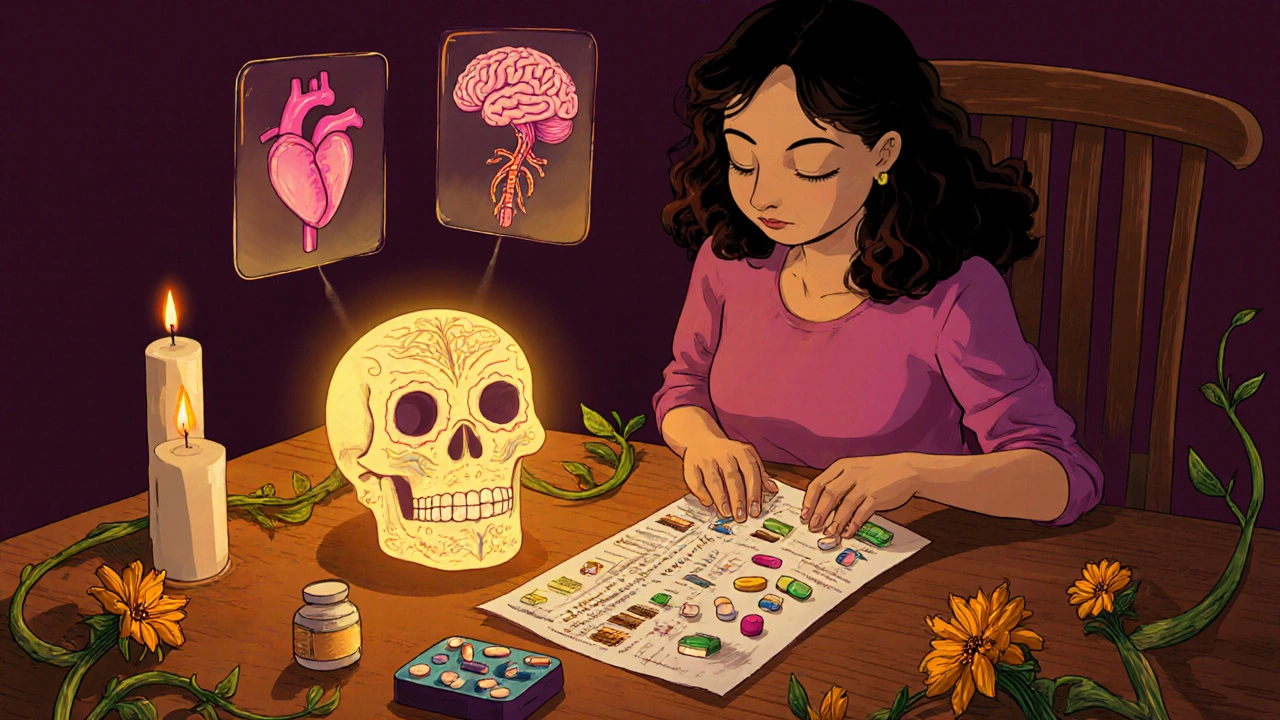
How to Create a Medication Plan Before Conception for Safety
A preconception medication plan helps reduce birth defect risks by reviewing and adjusting medications before pregnancy. Key steps include starting folic acid, switching unsafe drugs, managing chronic conditions, and coordinating care with your healthcare team.