Older Adults and Medications: What You Need to Know About Safety, Side Effects, and Choices
When you’re an older adult, a person typically aged 65 or older who may be managing multiple health conditions and medications. Also known as seniors, it’s not just about taking pills—it’s about making sure those pills don’t hurt you more than they help. Your body changes as you age. Liver and kidney function slow down. Muscle mass drops. What worked at 45 might overload your system at 75. That’s why a drug that’s safe for most adults can be risky for you.
Take pravastatin, a statin medication often chosen for older adults because it has fewer muscle-related side effects and less interaction with other drugs. Unlike other statins, it’s less likely to cause pain or weakness in muscles—a common and dangerous problem in seniors. But even pravastatin isn’t risk-free. And that’s just one drug. Many older adults take five, six, or more prescriptions daily. Each one adds a chance for adverse drug reactions, harmful or unexpected effects from medications that aren’t caused by overdose. These aren’t rare. One in three seniors ends up in the ER because of them. That’s why knowing how drugs interact with your body, your food, and your other meds matters more than ever.
Some of these reactions can be predicted. pharmacogenetic testing, a DNA test that shows how your body breaks down specific drugs. It’s not science fiction—it’s used in clinics now. Studies show it cuts dangerous side effects by 30% when doctors use it before prescribing. For older adults on multiple drugs, this isn’t a luxury. It’s a safety net. You don’t need to guess if a pill will make you dizzy, nauseous, or weak. You can know.
And it’s not just about pills. What you eat, how you sleep, even your kidney health changes how drugs work. Grapefruit can turn a normal dose into an overdose. Dairy can block antibiotics. Folic acid deficiency? That’s a hidden cause of anemia in seniors with gut issues. These aren’t small details—they’re the difference between feeling okay and ending up in the hospital.
Below, you’ll find real, no-fluff guides on what works, what doesn’t, and what to watch out for. From why pravastatin is often the best statin choice for seniors, to how gene tests can prevent bad reactions, to how food changes your meds—everything here is pulled from posts written for people who need clear answers, not jargon. No theories. No guesswork. Just what you need to stay safe and in control.
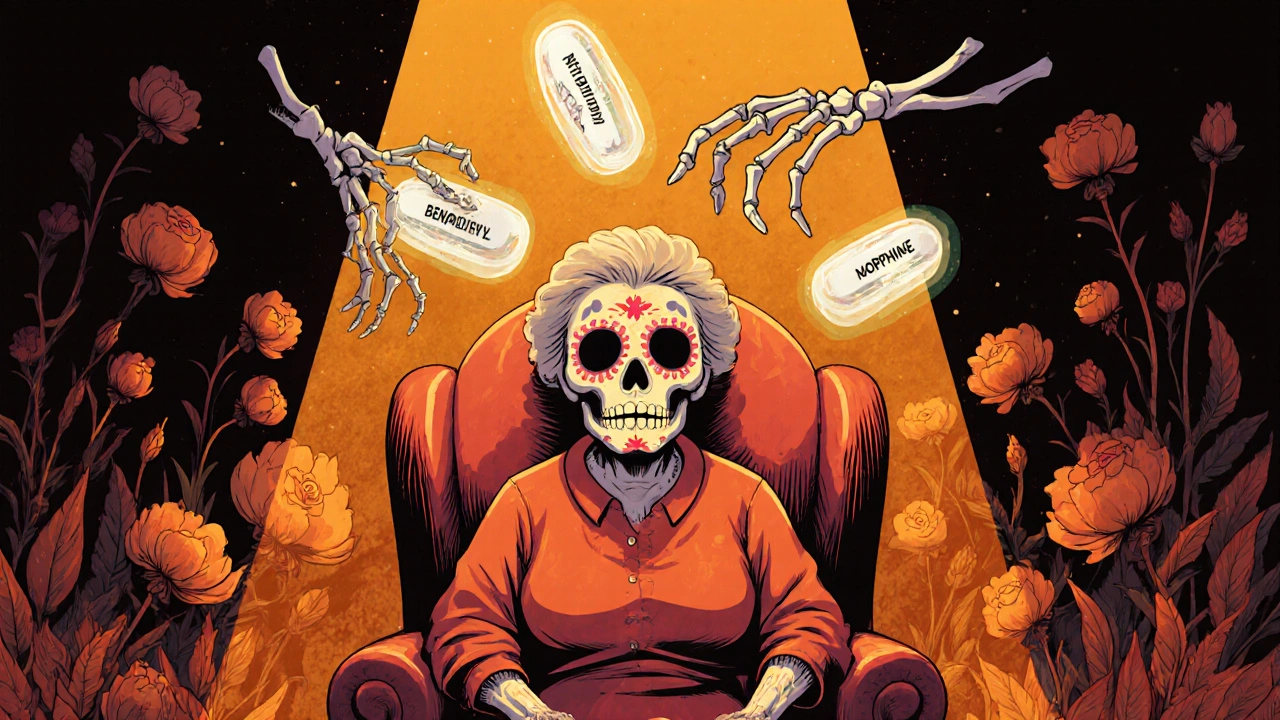
Medication-Induced Delirium in Older Adults: Signs, Risks, and How to Prevent It
Medication-induced delirium is a sudden, dangerous confusion in older adults caused by common drugs like Benadryl and benzodiazepines. Learn the signs, top risky medications, and how to prevent it before it's too late.