Delirium Prevention: How Medications, Health, and Care Reduce Confusion in Patients
When someone suddenly becomes confused, disoriented, or agitated—especially after surgery, illness, or a hospital stay—they may be experiencing delirium, a sudden, temporary state of mental confusion often triggered by medication, infection, or metabolic imbalance. Also known as acute confusion, it’s not dementia, but it can look like it—and it’s far more common than most people realize. Delirium affects up to 3 in 10 older adults in hospitals, and many cases are preventable with simple, smart actions.
One of the biggest triggers is medication safety, the careful use and review of drugs that can disrupt brain function, especially in seniors or those with kidney or liver issues. Drugs like anticholinergics, benzodiazepines, and even some antibiotics can push someone into delirium. That’s why reviewing all meds before surgery or hospital admission matters. Pharmacogenetic testing, which looks at how your genes affect drug response, can help predict who’s at higher risk for bad reactions. It’s not magic, but it’s a tool that cuts adverse drug reactions by 30%—and that directly lowers delirium risk.
But delirium prevention isn’t just about avoiding bad drugs. It’s also about supporting the body’s basic needs: sleep, movement, hydration, and sensory input. A patient who’s dehydrated, stuck in bed, or wearing hearing aids that don’t work is far more likely to become confused. Simple steps—like keeping lights on at night, helping patients walk, offering water regularly, and ensuring they can see and hear their caregivers—make a real difference. These aren’t fancy treatments. They’re basic human care, often overlooked in busy medical settings.
Underlying conditions like infections, kidney failure, or thyroid problems can also spark delirium. That’s why checking for hidden issues—like a urinary tract infection in an older adult who suddenly seems "out of it"—is critical. Many cases get misdiagnosed as dementia or depression, when the real fix is treating the root cause. And if someone already has cognitive decline, delirium can make it worse, sometimes permanently. Prevention here isn’t optional—it’s essential.
What you’ll find below are real, practical articles that connect directly to this. From how food interacts with meds to how pharmacogenetic testing can personalize drug safety, these posts don’t just talk about theory. They show you exactly how to reduce risks before they turn into confusion, hospital stays, or long-term decline. This isn’t about guessing. It’s about knowing what works—and what to avoid.
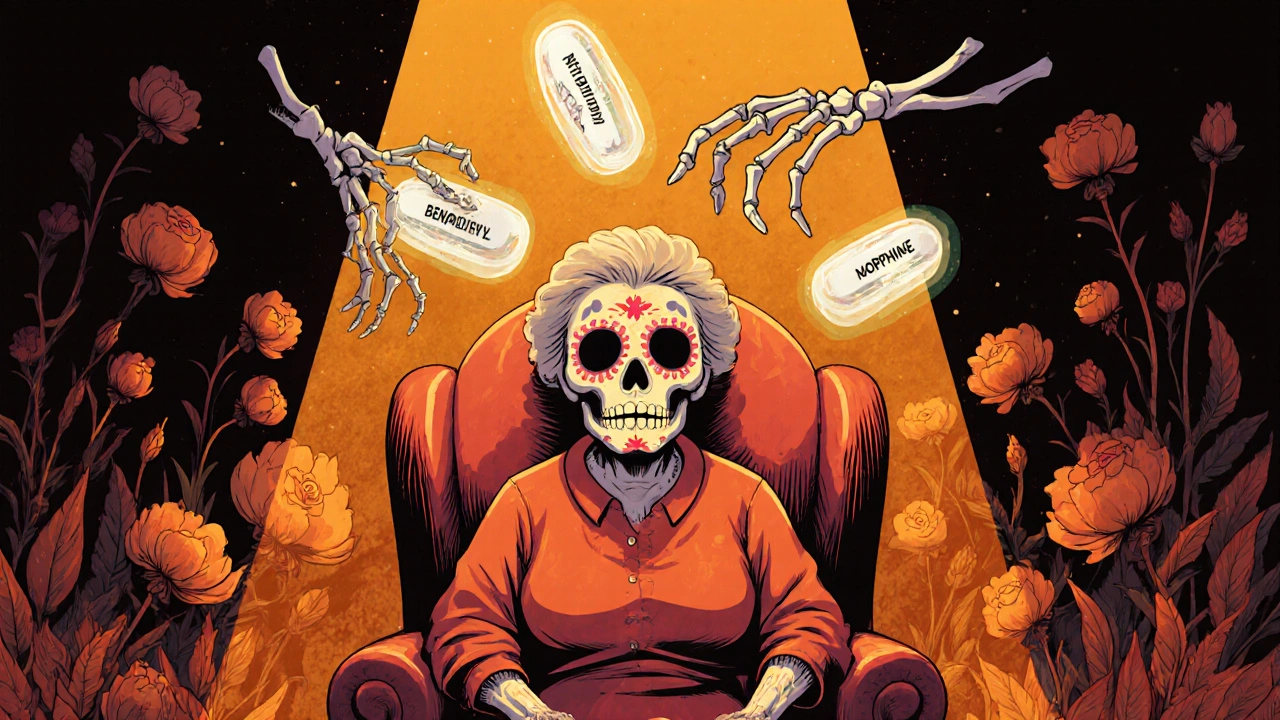
Medication-Induced Delirium in Older Adults: Signs, Risks, and How to Prevent It
Medication-induced delirium is a sudden, dangerous confusion in older adults caused by common drugs like Benadryl and benzodiazepines. Learn the signs, top risky medications, and how to prevent it before it's too late.