CYP2C19 Testing: What It Means for Your Medication Response
When your body breaks down meds like clopidogrel, proton pump inhibitors, or certain antidepressants, it relies on an enzyme called CYP2C19, a liver enzyme that metabolizes over 10% of commonly prescribed drugs. Also known as cytochrome P450 2C19, this enzyme is coded by a gene that varies from person to person—meaning two people taking the same pill might get totally different results. If you’re a poor metabolizer, the drug stays in your system too long and causes side effects. If you’re an ultra-rapid metabolizer, the drug vanishes before it can work. That’s not bad luck—it’s your DNA.
This isn’t theoretical. Studies show that up to 30% of people have genetic variants that make CYP2C19 less effective. For someone on clopidogrel after a heart stent, that could mean a higher risk of another heart attack. For someone on omeprazole for acid reflux, it might mean the pill just doesn’t touch their symptoms. And if you’re on citalopram or escitalopram for depression, your dose might need to be cut in half—or doubled—based on this test. It’s not about guessing anymore. It’s about matching your genes to your meds.
CYP2C19 testing is now used in clinics across the U.S., Europe, and parts of Asia, especially when patients don’t respond to standard doses or have unexpected side effects. It’s not a full-body scan—it’s a simple cheek swab or blood test that gives you a clear label: poor, intermediate, normal, rapid, or ultra-rapid metabolizer. That label helps your doctor pick the right drug and dose from day one. No more trial and error. No more months of feeling worse before you feel better.
What you’ll find in the posts below are real-world stories and data about how this test connects to other areas you care about: how it affects fertility meds, interacts with acid reducers used during IVF prep, influences antidepressants during pregnancy planning, and even ties into how your body handles NSAIDs or blood thinners when you’re managing chronic conditions. These aren’t abstract genetics papers—they’re practical guides from people who’ve been there. Whether you’re trying to conceive, managing a chronic illness, or just tired of meds that don’t work, CYP2C19 testing might be the missing piece you didn’t know you needed.
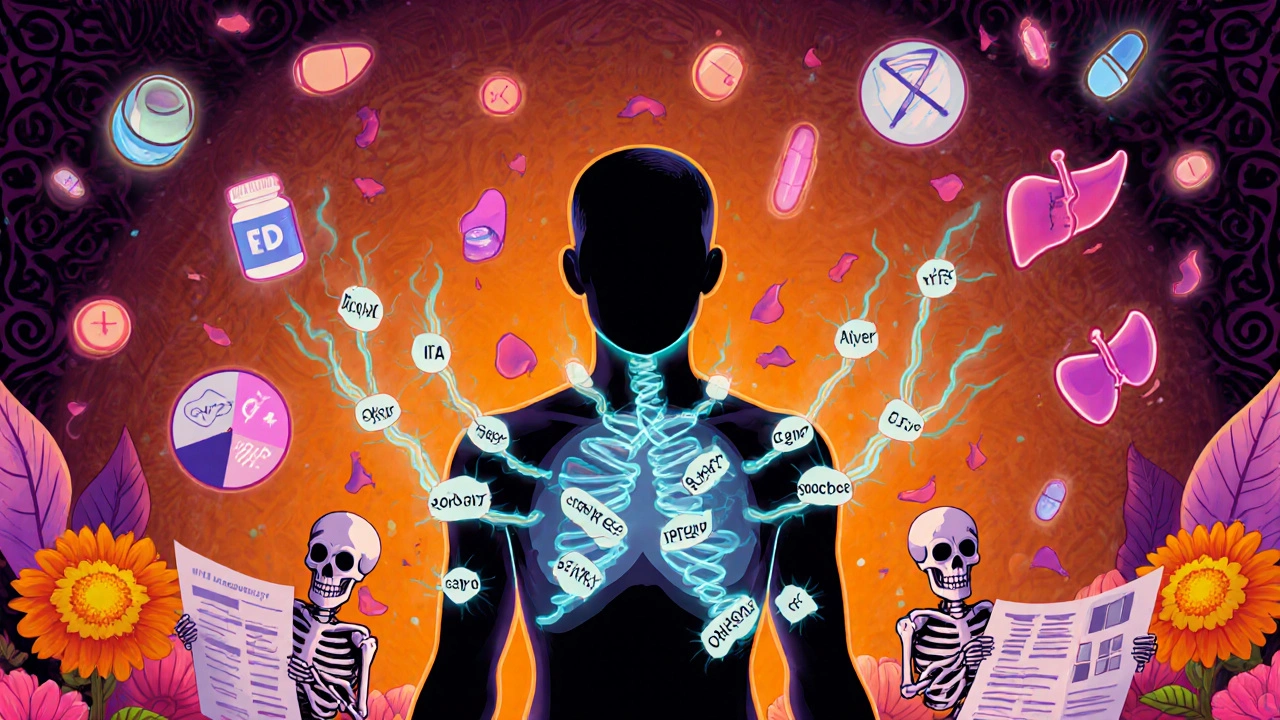
Preventing Adverse Drug Reactions with Pharmacogenetic Testing
Pharmacogenetic testing uses your DNA to predict how you'll respond to medications, helping prevent dangerous side effects. Studies show it cuts adverse drug reactions by 30% when used before prescribing.