Children's Asthma Care Plan: What Works, What to Avoid
When a child has asthma, a clear children's asthma care plan, a personalized, written guide for managing asthma symptoms and emergencies in kids. Also known as an asthma action plan, it’s not just a doctor’s note—it’s your daily roadmap to keep your child breathing easy, playing hard, and missing fewer school days.
This plan isn’t one-size-fits-all. It’s built around your child’s specific triggers—like cold air, pet dander, or pollen—and their response to meds. You’ll find clear instructions on when to use a rescue inhaler, when to step up controller meds like inhaled corticosteroids, and when to call the doctor or head to the ER. Many parents don’t realize that up to 80% of asthma flare-ups in kids happen because the care plan isn’t followed consistently, not because the meds don’t work.
Related to this are key tools and concepts that make the plan effective. pediatric asthma triggers, environmental or physical factors that cause or worsen asthma symptoms in children. Also known as asthma triggers, these include things like smoke, mold, exercise, or even strong scents. You can’t control every trigger, but you can reduce exposure—like using hypoallergenic bedding, keeping pets out of the bedroom, or avoiding outdoor play on high-pollen days. Then there’s asthma medications for children, the drugs prescribed to prevent and treat asthma symptoms in kids, including daily controllers and quick-relief inhalers. Also known as childhood asthma drugs, these range from low-dose inhaled steroids to bronchodilators like albuterol. The right mix depends on severity, age, and how often symptoms happen. Some kids need daily meds to stay symptom-free; others only need a puff before sports.
What’s missing from most care plans? Tracking. If you don’t write down when symptoms happen, how often the rescue inhaler is used, or what made them worse, you’re guessing—not managing. A simple log—just a few notes a day—helps your doctor adjust the plan before things get serious. And don’t forget school. A copy of the plan should be with the nurse, and teachers should know how to help if your child starts wheezing during class.
Many parents worry about side effects from asthma meds, especially steroids. But the truth is, uncontrolled asthma is far riskier than the meds. Kids with poorly managed asthma miss more school, have more ER visits, and can develop lasting lung damage. A well-used care plan cuts those risks dramatically.
Below, you’ll find real-world guides on how to spot early warning signs, how to choose the right inhaler for your child’s age, what to do when a flare-up hits at night, and how to talk to your doctor about switching meds if things aren’t working. These aren’t theory pieces—they’re practical tools from parents and doctors who’ve been through it.
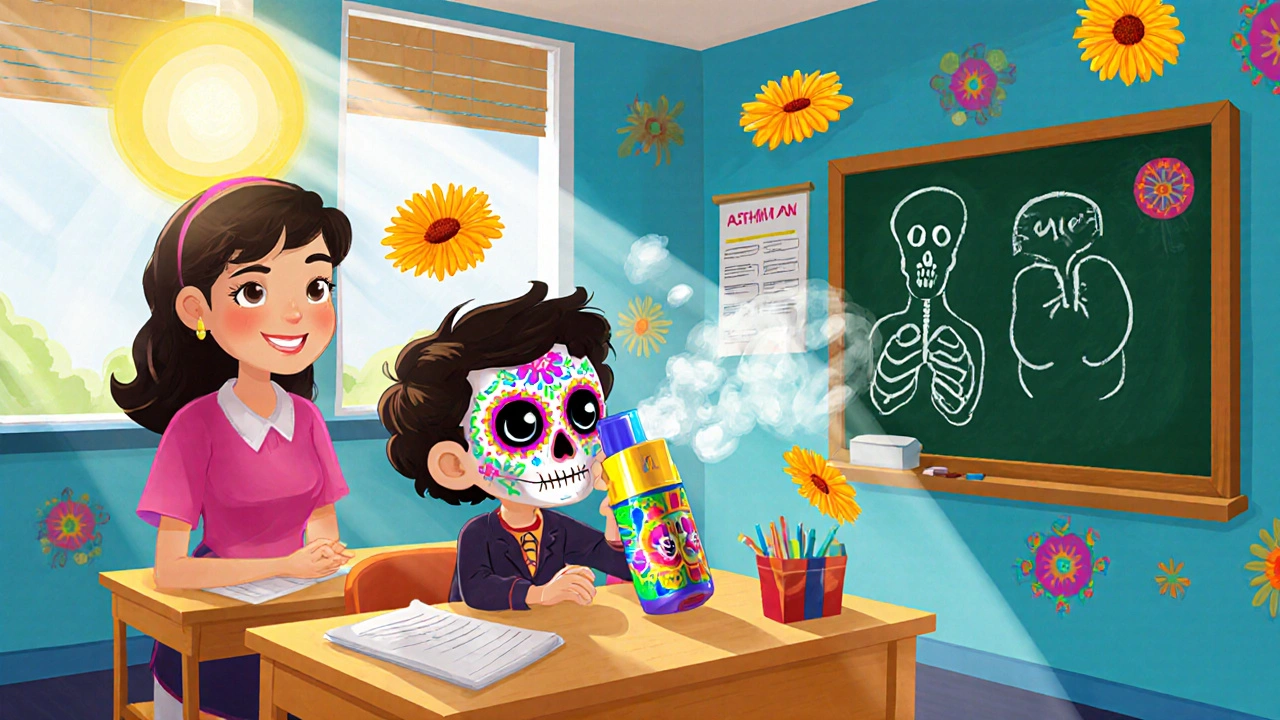
Asthma in Children: How Spacers, Schools, and Care Plans Work Together
Spacers are essential for children with asthma, improving medication delivery and reducing hospital visits. Learn how to use them correctly, why schools must support care plans, and how to overcome teen resistance.