Pharmacodynamics: How Drugs Work in Your Body and Why It Matters
When you take a pill, it doesn’t just disappear and somehow make you feel better. Pharmacodynamics, the study of how drugs affect your body at a molecular level. It’s not magic—it’s chemistry, biology, and your own genes working together. This is why one person’s miracle drug is another person’s nightmare. Some drugs bind to receptors like keys in locks, others block enzymes, and a few even change how your DNA reads instructions. If you’ve ever wondered why your doctor switched your medication, or why grapefruit ruins your pills, you’re looking at pharmacodynamics in action.
It’s not just about the drug itself. Your body’s response depends on things like pharmacogenetic testing, how your DNA influences how you process medicines. For example, if you have a CYP2C19 gene variation, a common blood thinner might not work—or could make you bleed too much. That’s why some people get sick from meds others tolerate fine. Then there’s adverse drug reactions, unexpected harmful effects that aren’t side effects, but outright dangers. These aren’t rare. Studies show they cause 30% fewer hospital visits when doctors use genetic info before prescribing. And don’t forget medication interactions, when food, other drugs, or even supplements change how your medicine behaves. Grapefruit, dairy, vitamin K—they’re not just dietary notes. They’re part of the pharmacodynamics equation.
That’s why the articles here aren’t just about drugs—they’re about how your body talks back. You’ll find real breakdowns of how meloxicam blocks pain, how cabergoline resets hormones, why pravastatin is safer for seniors, and how food can turn a good drug into a bad one. You’ll see how NTI generics need tighter control, why some meds cause delirium in older adults, and how GLP-1s help with PCOS by changing your body’s metabolism. This isn’t theory. It’s what happens when science meets real life—and why knowing how drugs work can save you from side effects, wasted money, or worse.
Below, you’ll find clear, no-fluff guides that connect the dots between what’s in the pill and what happens inside you. No jargon. No fluff. Just the facts you need to make smarter choices about your health.
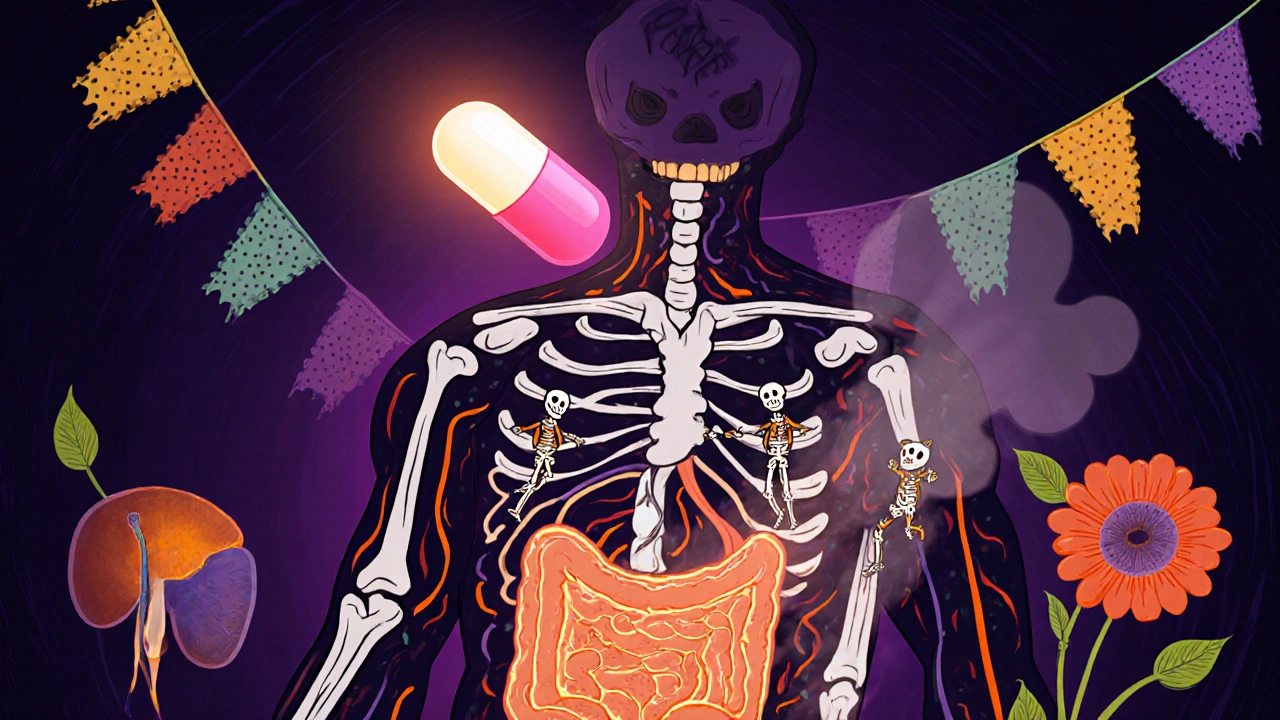
How Medications Work: Understanding Pharmacology and Drug Mechanisms
Learn how medications work in the body through pharmacology basics-understanding pharmacokinetics, pharmacodynamics, drug mechanisms, and why people respond differently to the same drugs.