Medications: What They Are, How They Work, and What You Need to Know
When you take a medication, a substance used to treat, cure, or prevent disease. Also known as drugs, it changes how your body functions — sometimes to fix a problem, sometimes to manage one. But not all meds work the same for everyone. Your genes, your diet, your age, even the time of day you take it — all of that matters. That’s why knowing what’s in your bottle isn’t enough. You need to know how it behaves in your body.
Take generic drugs, lower-cost versions of brand-name medications with the same active ingredients. Also known as generic medications, they save people up to 80% — but only if they’re from a trusted source. A bad batch or a counterfeit pill can do more harm than good. That’s why knowing where to buy them matters as much as knowing what’s inside. Then there’s drug interactions, when one medication changes how another works — sometimes dangerously. Also known as food-drug interactions, they can turn a safe pill into a risk if you eat grapefruit, take antacids, or drink alcohol. And don’t forget side effects, unwanted reactions that can range from mild to life-threatening. Also known as adverse drug reactions, they’re not always listed clearly — but they’re often predictable if you know your DNA. Pharmacogenetic testing can tell you if you’re likely to have a bad reaction before you even take the first pill. Studies show it cuts dangerous reactions by 30%.
Some meds are meant for short-term use — like painkillers or antibiotics. Others, like those for thyroid issues, high blood pressure, or depression, are lifelong. And some — like GLP-1s for PCOS or statins for seniors — are chosen not just for effectiveness, but for safety in specific groups. What works for a 30-year-old might be risky for a 70-year-old. What helps one person’s acne might trigger another’s yeast infection. Your body isn’t a one-size-fits-all machine.
Below, you’ll find real, practical breakdowns of the most common medications people use — and the hidden details most guides leave out. From how to spot fake online pharmacies to why your folic acid dose matters before pregnancy, from what happens when you mix meds with food to how your genes control whether a drug helps or hurts you — this collection cuts through the fluff. No jargon. No marketing. Just what you need to know to take control of your meds — safely and smartly.
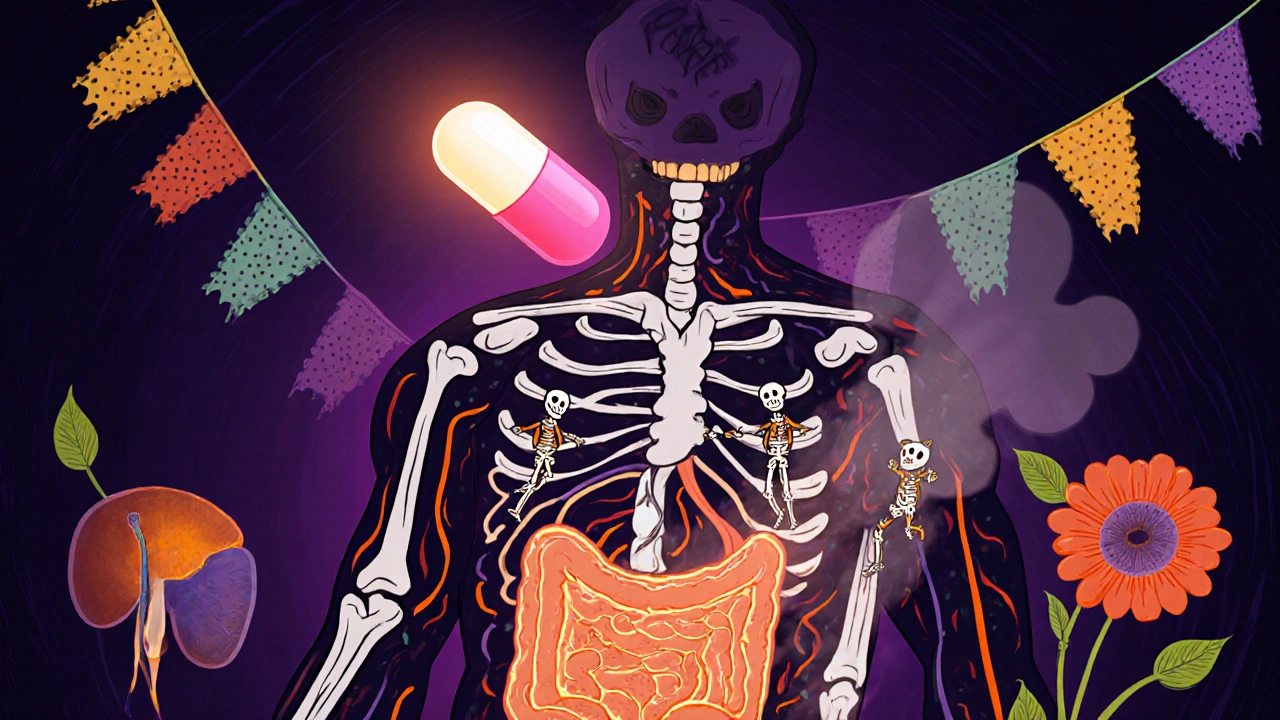
How Medications Work: Understanding Pharmacology and Drug Mechanisms
Learn how medications work in the body through pharmacology basics-understanding pharmacokinetics, pharmacodynamics, drug mechanisms, and why people respond differently to the same drugs.