FastIVF - Rapid IVF Assistance Pharmaceuticals Portal - Page 2
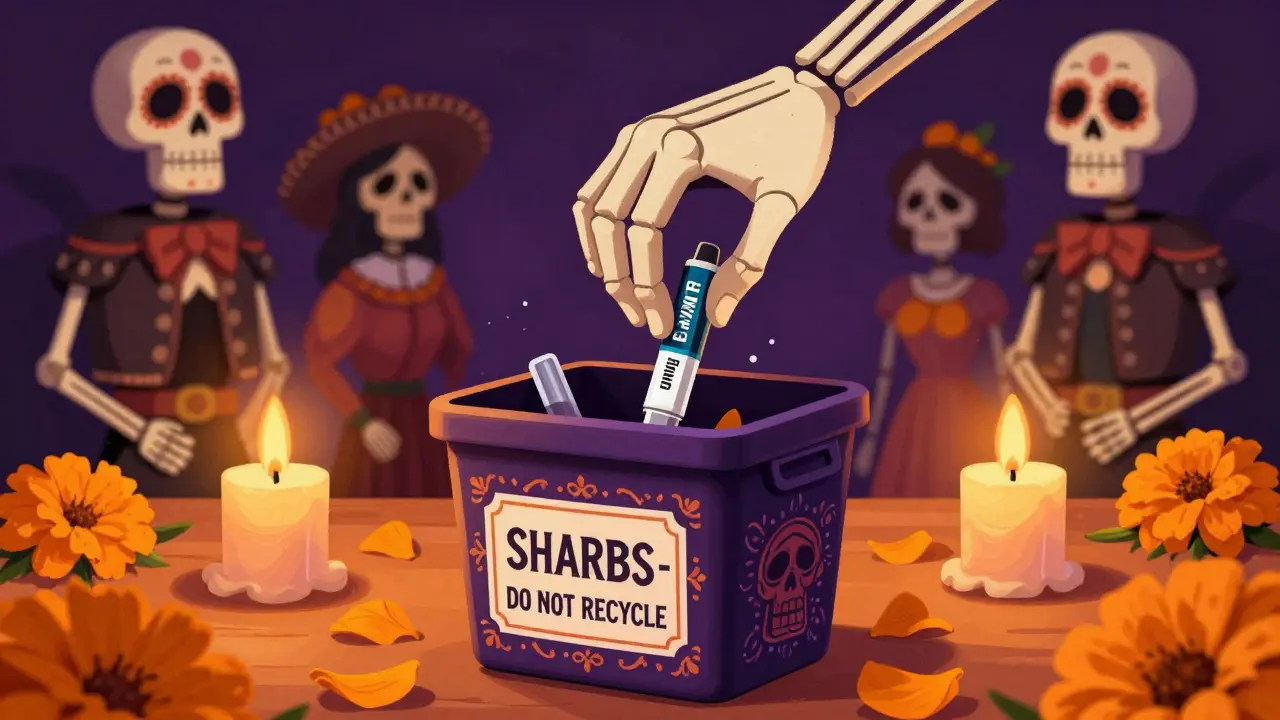
How to Dispose of Expired EpiPens, Inhalers, and Patches Safely
Learn how to safely dispose of expired EpiPens, inhalers, and medicated patches to prevent harm to children, pets, and the environment. Follow FDA and DEA guidelines for sharps, aerosols, and transdermal patches.
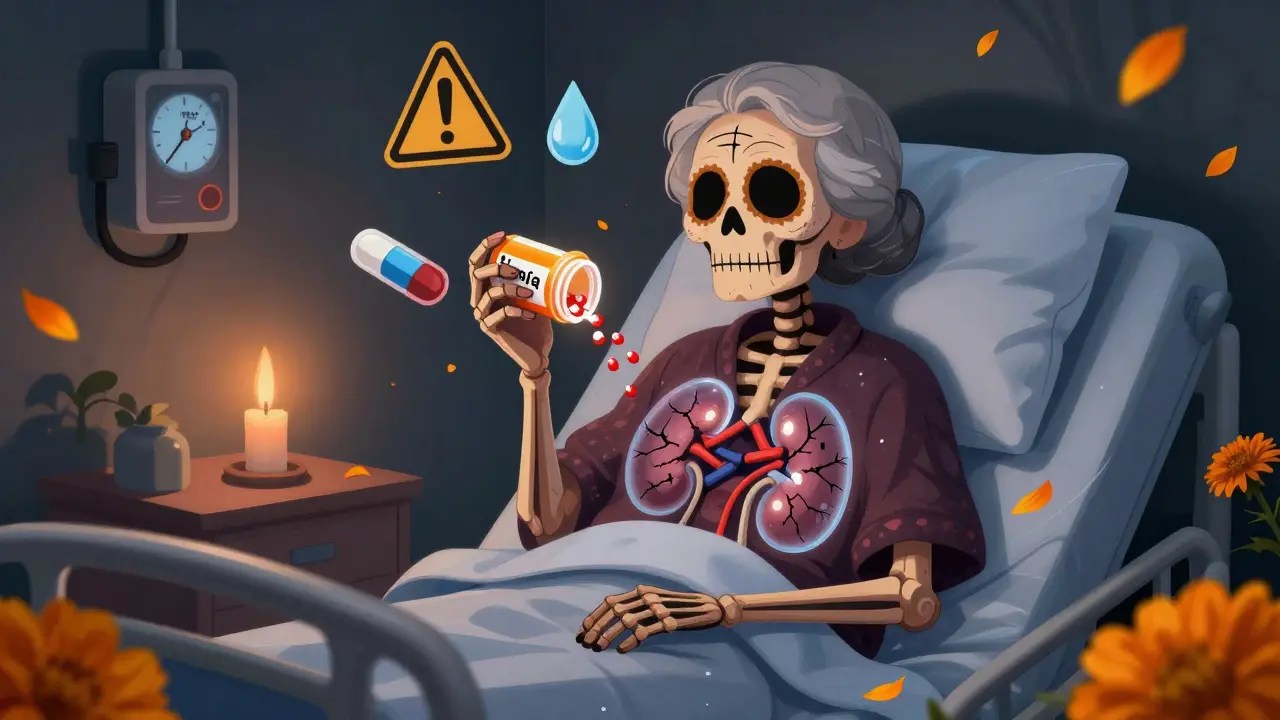
NSAIDs and Kidney Disease: How to Prevent Acute Kidney Injury
NSAIDs like ibuprofen and naproxen are common pain relievers, but they can cause sudden kidney damage - especially in people with existing kidney disease. Learn how to prevent acute kidney injury and what safer alternatives exist.
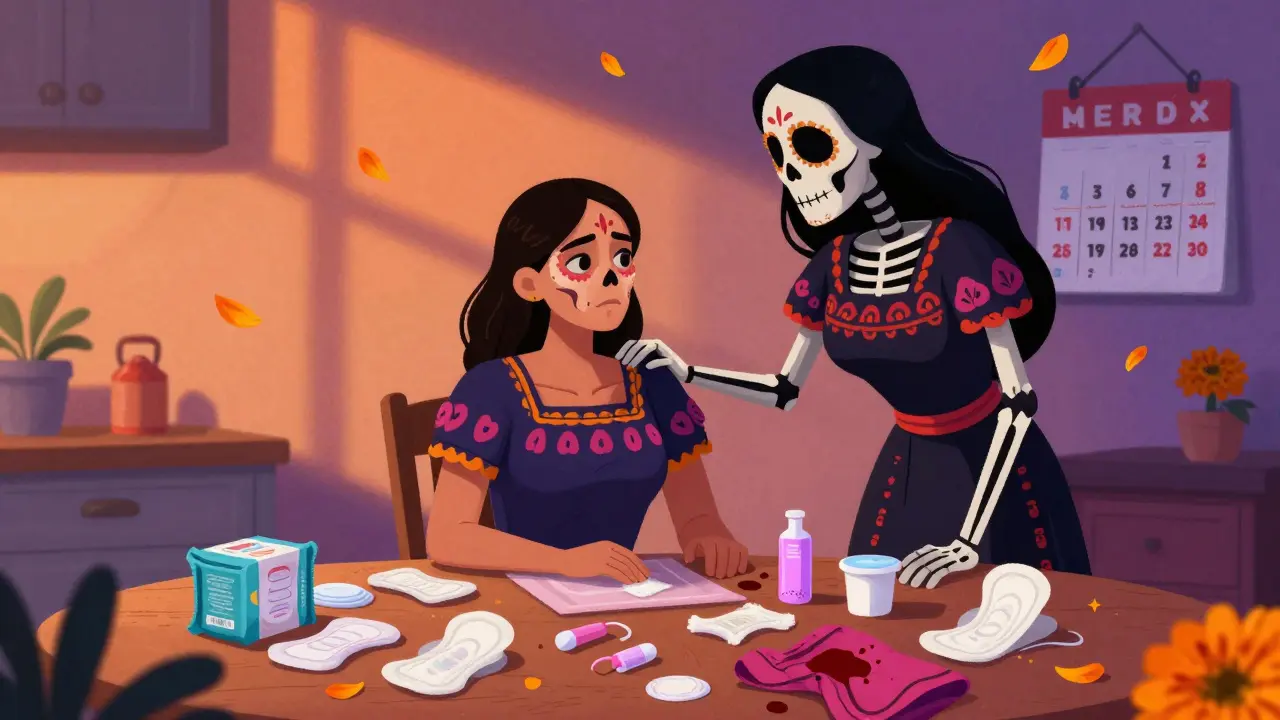
Heavy Menstrual Bleeding on Blood Thinners: What Works and What Doesn’t
Heavy menstrual bleeding affects up to 70% of women on blood thinners, yet most doctors don’t screen for it. Learn the proven, safe treatments - from IUDs to tranexamic acid - that can restore your quality of life without stopping anticoagulation.
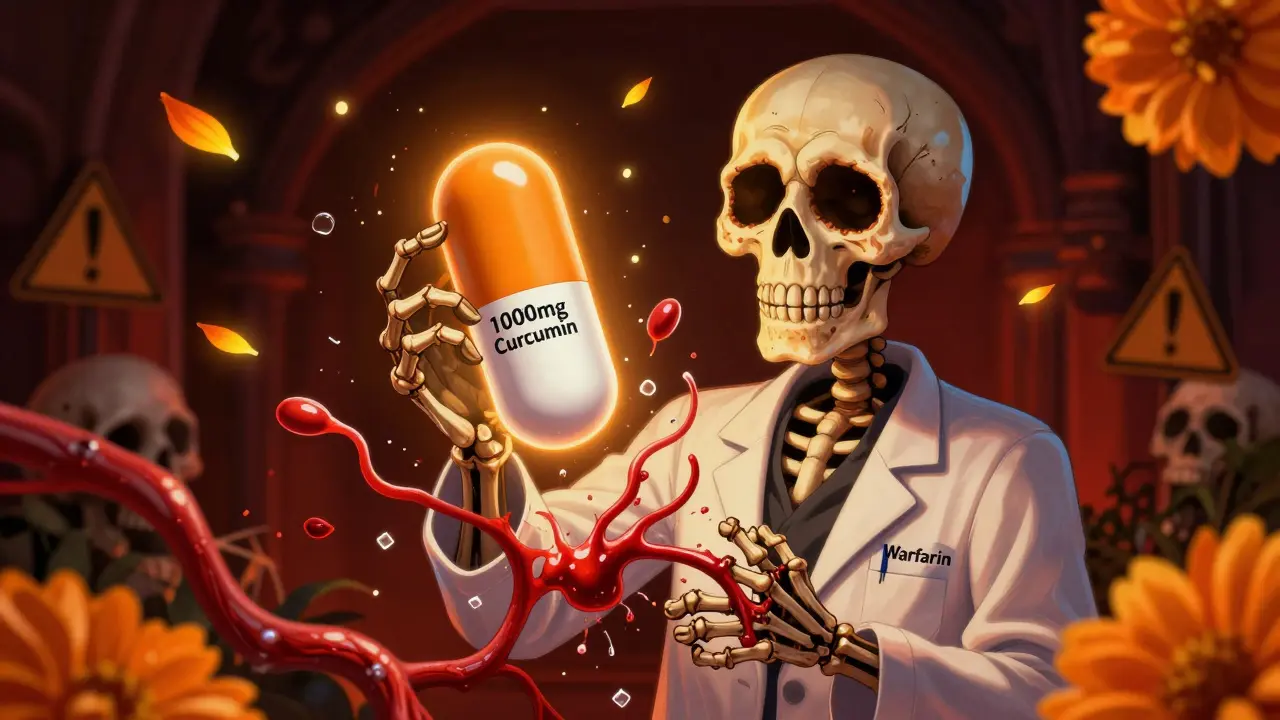
Turmeric and Blood Thinners: What You Need to Know About the Dangerous Interaction
Turmeric supplements can dangerously increase bleeding risk when taken with blood thinners like warfarin or aspirin. Documented cases show INR levels spiking to life-threatening levels. Avoid all turmeric supplements if you're on anticoagulants.
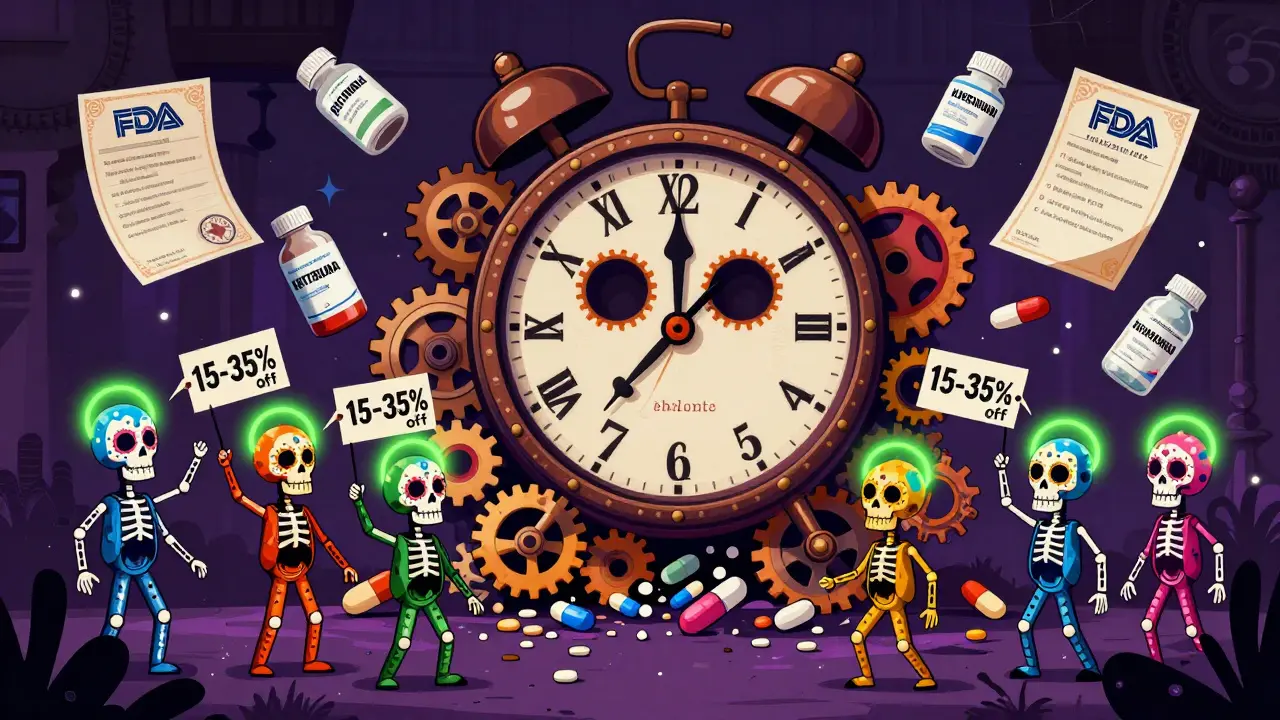
Future Biosimilars: Upcoming Patent Expirations and Market Entry
Upcoming patent expirations for top biologics like Keytruda and Humira will unleash a wave of biosimilars, slashing drug costs by up to 35%. Learn how these complex alternatives work, why adoption is slow in the U.S., and what it means for patients and healthcare spending.
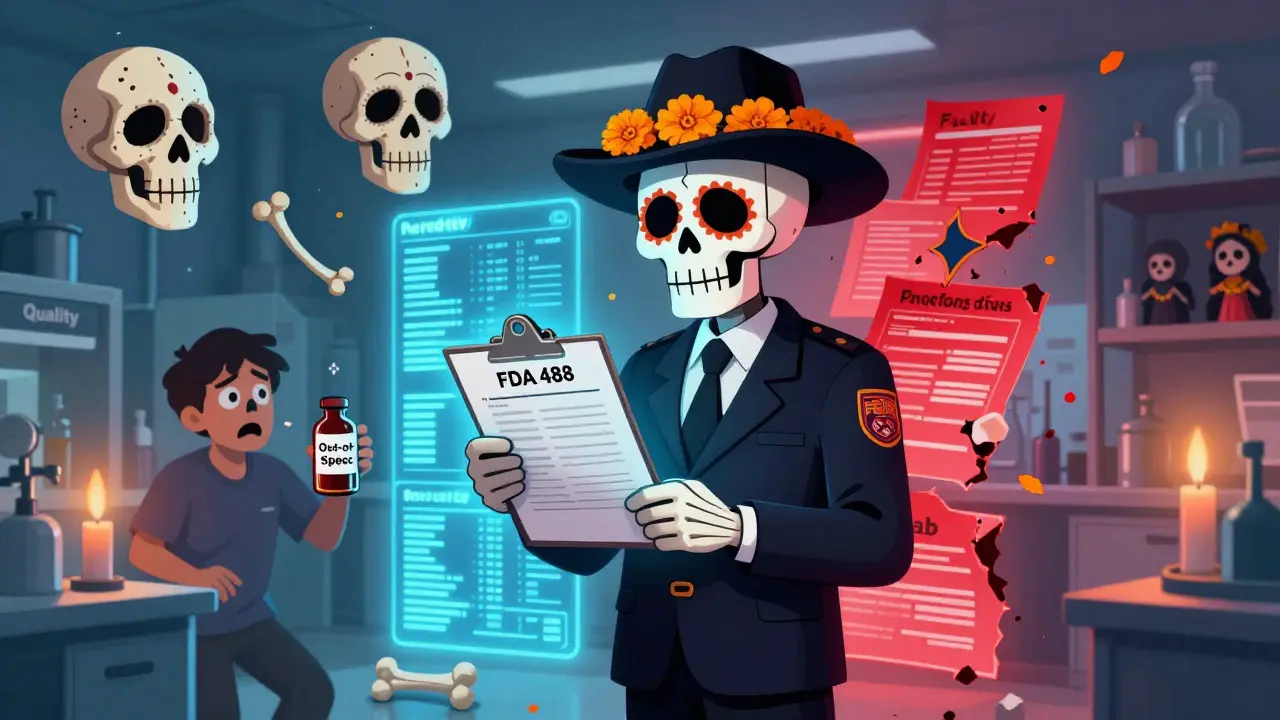
FDA Inspection of Generic Manufacturing Facilities: What to Expect in 2026
Understand what happens during an FDA inspection of generic drug manufacturing facilities, including the six systems reviewed, common findings, how to respond to a Form FDA 483, and how the PreCheck program can help you prepare. Learn what inspectors really look for and how to avoid costly compliance failures.
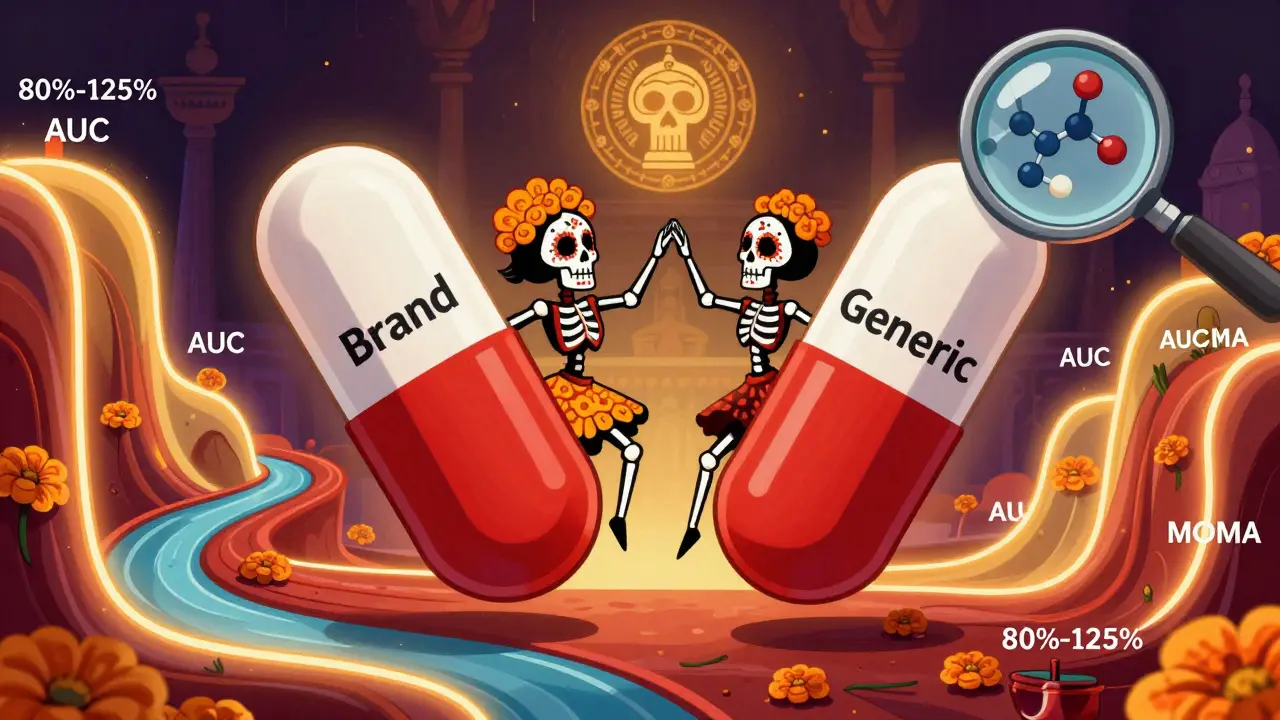
Bioequivalence Testing for Generic Drugs: What It Proves
Bioequivalence testing proves that generic drugs deliver the same amount of active ingredient at the same rate as brand-name drugs, ensuring they work just as well. It's the science behind why generics save billions without sacrificing effectiveness.
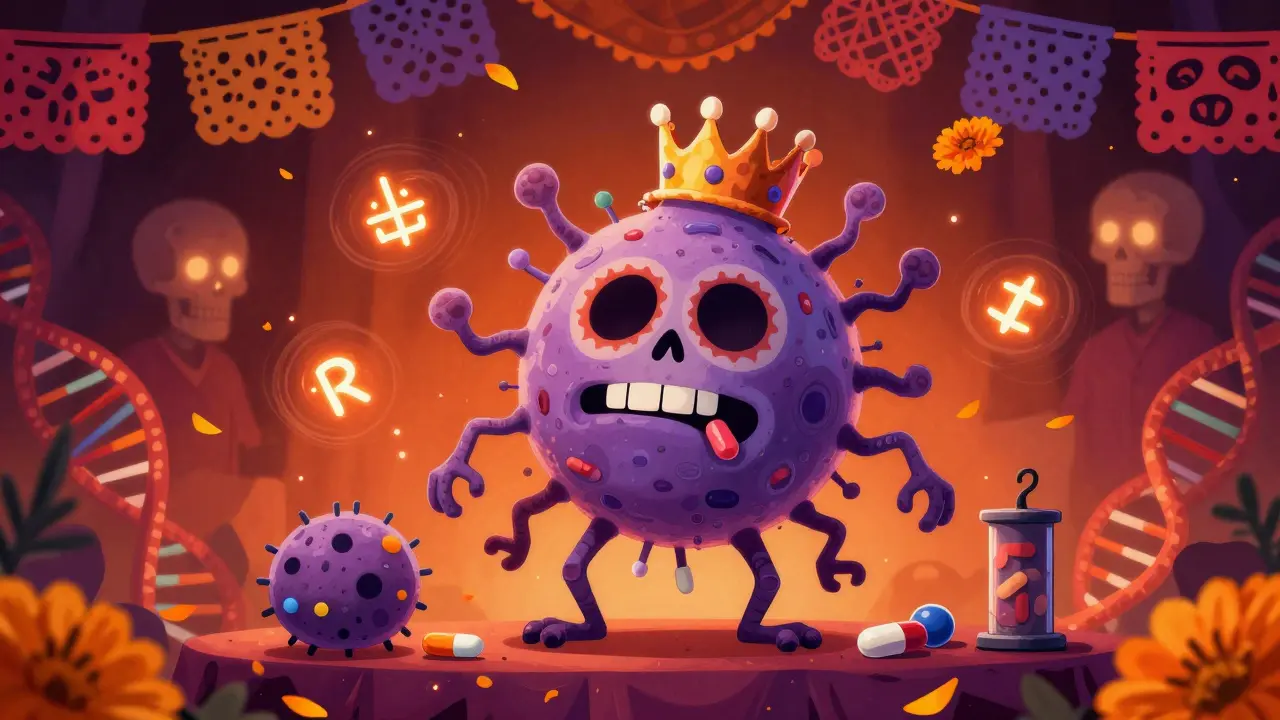
Antibiotic Resistance: How Bacterial Mutations Make Drugs Fail and What You Can Do
Antibiotic resistance is killing over 1.27 million people a year. Bacteria evolve through mutations and misuse. Learn how they become untouchable-and what you can do to stop it.

When to Avoid a Medication Family After a Severe Drug Reaction
After a severe drug reaction, you may need to avoid an entire medication family-but not always. Learn when cross-reactivity is real, when testing can save you from unnecessary restrictions, and how to avoid dangerous treatment delays.
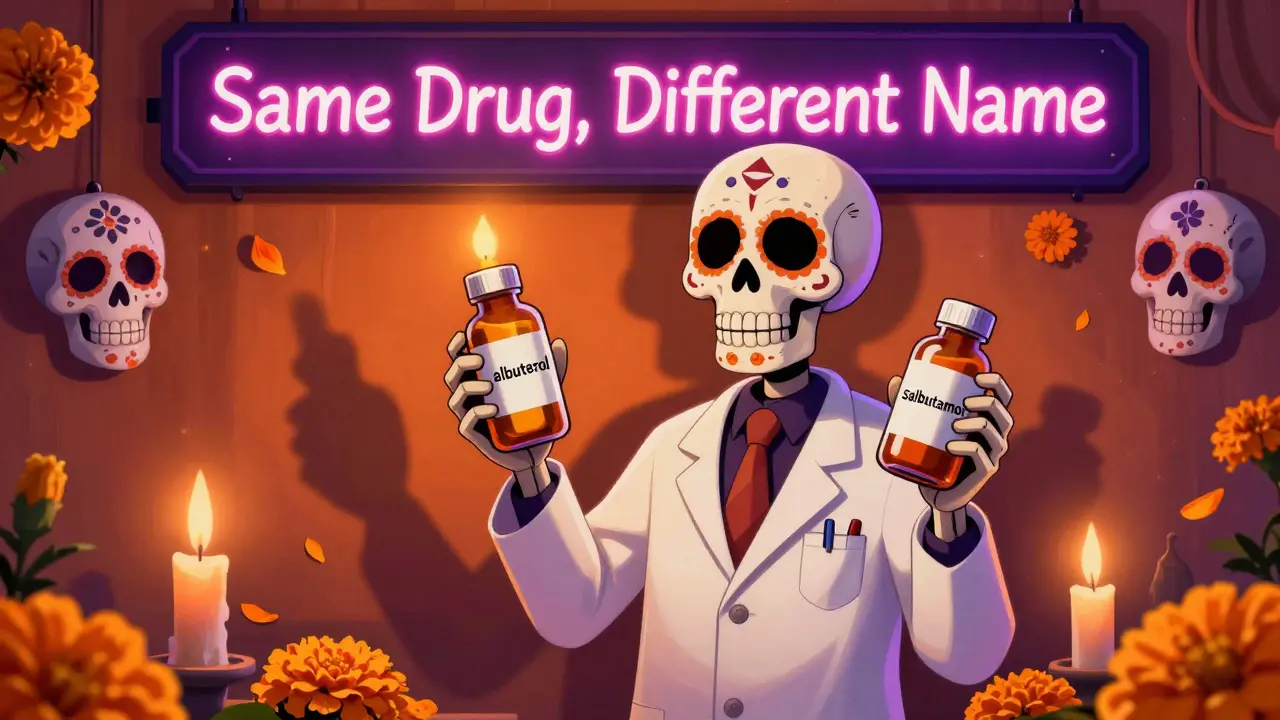
Generic Drug Names Explained: USAN, INN, and How Brand Names Are Chosen
Learn how generic drug names like USAN and INN are created to prevent dangerous mix-ups, why some drugs have different names in different countries, and how brand names are chosen differently. Essential reading for anyone taking medication.