How to Dispose of Expired EpiPens, Inhalers, and Patches Safely
 Mar, 17 2026
Expired EpiPens, inhalers, and medicated patches aren’t just trash. They’re dangerous if tossed in the regular bin, harmful to the environment, and potentially deadly if found by kids or pets. You wouldn’t leave a loaded gun on the counter-why treat a used EpiPen any differently? The truth is, most people don’t know how to dispose of these items safely, and that’s putting lives at risk. According to the FDA, 12% of accidental poisonings in children involve improperly thrown-away medications. This isn’t a minor oversight. It’s a public health blind spot.
Why You Can’t Just Toss Them in the Trash
EpiPens contain a sharp needle and a potent drug-epinephrine-that can kill if misused. Inhalers are pressurized cans that can explode if crushed or burned. Patches like fentanyl or nicotine stick to your skin with leftover medicine that can be absorbed by anyone who touches them. Throw them in the trash, and you’re handing out a hazard to sanitation workers, stray animals, or curious toddlers.
Even if the device looks empty, it’s not. An EpiPen holds about 0.3 mL of liquid epinephrine. An inhaler can still have 10-20 doses left inside. A patch? Half the medication can remain stuck to the adhesive side. The FDA’s flush list includes fentanyl patches because they’re so dangerous if left lying around. If your patch isn’t on that list, it still shouldn’t go in the trash.
How to Dispose of Expired EpiPens
EpiPens are classified as medical sharps-same as syringes or lancets. That means they need special handling. The best way? Return them to the place where you got your new one. Most doctors’ offices, clinics, and hospitals have sharps collection bins. When you go in for a refill, bring your expired EpiPen. No questions asked. Many allergists keep a bin just for this.
If that’s not possible, look for a DEA-authorized drug take-back location. The DEA runs National Take Back Days twice a year (April and October), but many pharmacies and police stations accept sharps year-round. Use the DEA’s online locator tool to find one near you. It lists over 14,000 collection sites across the U.S.
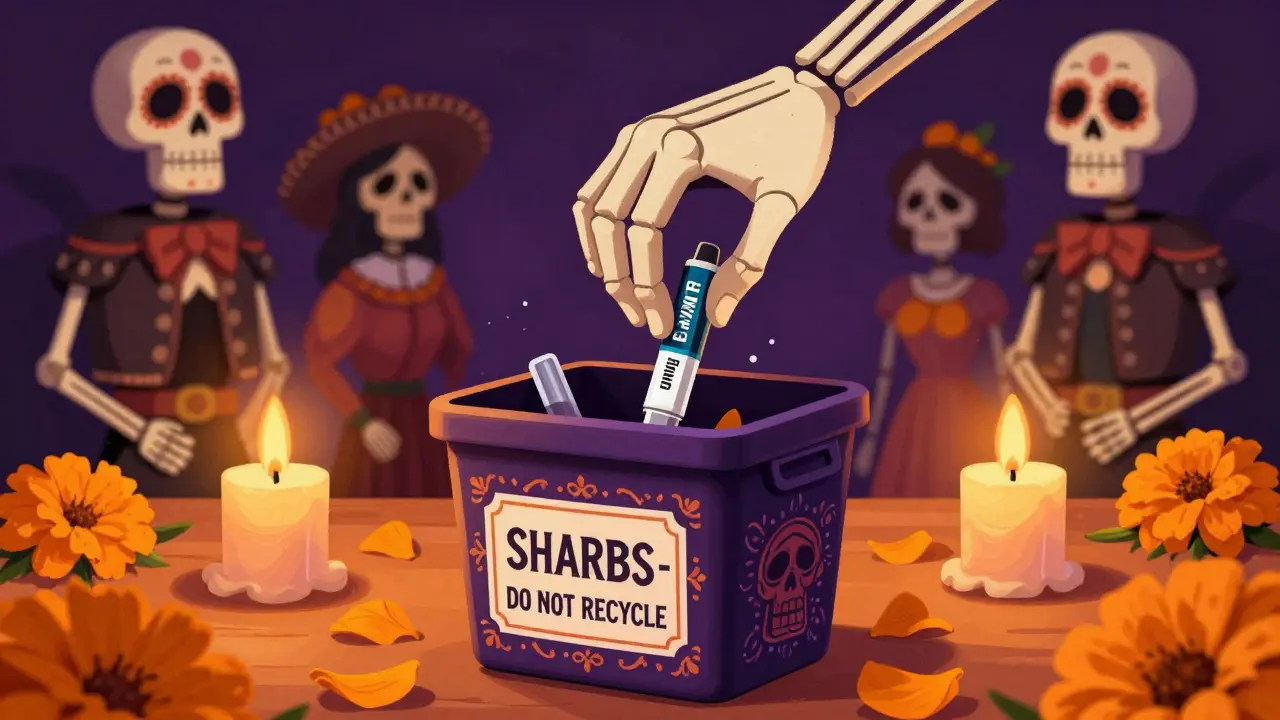
For temporary home storage, put the EpiPen in a rigid, puncture-proof container. A clean plastic laundry detergent bottle works. Tape the lid shut. Label it clearly: BIOHAZARD, SHARPS, DO NOT RECYCLE. Keep it out of reach of children and pets. Never try to remove the needle. Don’t bend it. Don’t cut it. You’re not a mechanic-you’re a patient. Leave the disassembly to professionals.
How to Dispose of Inhalers
Inhalers are trickier. They’re not sharps, but they’re still hazardous. The propellant inside (like HFA) is a greenhouse gas. If punctured, it can explode. If burned, it releases toxic fumes. The FDA says: Read the label. Some brands list disposal instructions right on the box.
Check with your local waste authority. Some cities, like New York, have special drop-off sites for aerosols. Others let you dispose of them in household trash-but only after removing the metal canister from the plastic mouthpiece. The metal part might be recyclable. The plastic? Throw it away. Never put the whole inhaler in recycling.
Pharmacies like Walgreens and CVS sometimes take inhalers, but it’s not guaranteed. A 2022 survey found only 47% of Walgreens locations accepted them. Call ahead. If your pharmacy doesn’t take them, your local household hazardous waste facility probably does. Don’t wait until you have 10 empty inhalers. Dispose of them one at a time as they expire.
How to Dispose of Medicated Patches
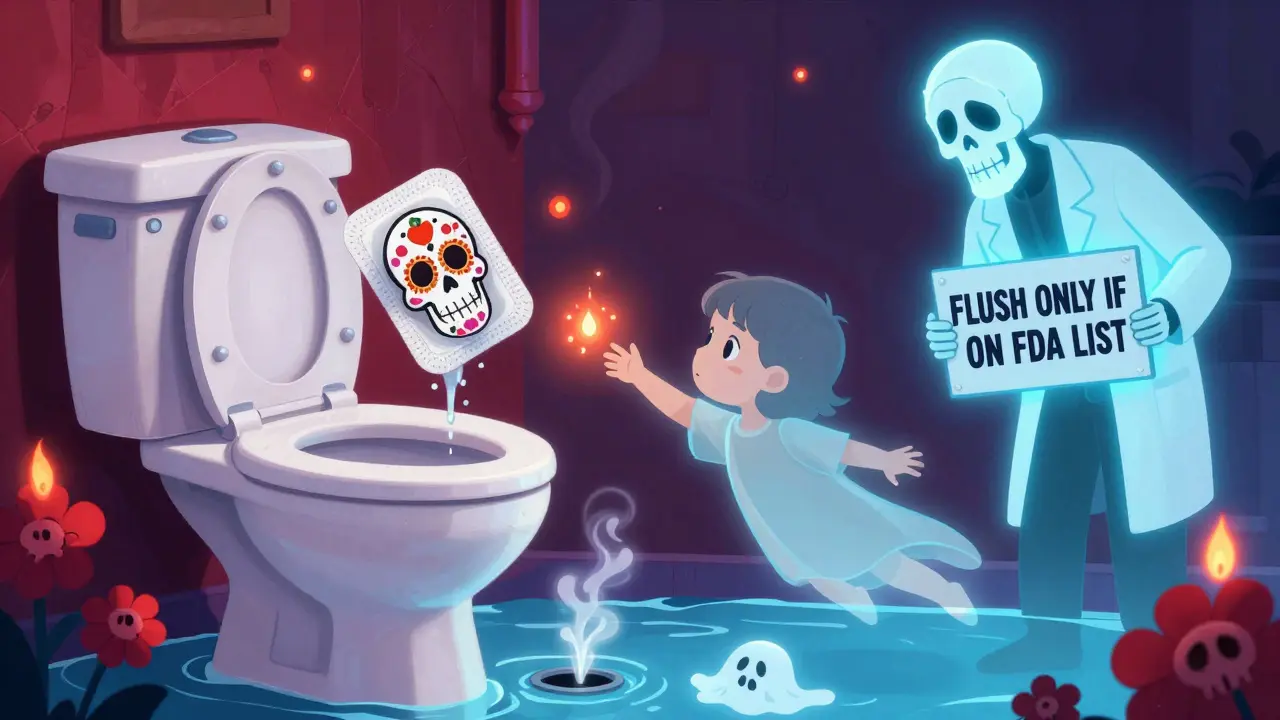
For patches, the rule is simple: fold and flush. That’s what Nationwide Children’s Hospital and the FDA recommend for high-risk patches like fentanyl, buprenorphine, or clonidine. Fold the patch in half so the sticky sides stick together. That traps the leftover medicine. Then flush it down the toilet. Yes, flush it. It sounds weird, but it’s the safest way to prevent accidental exposure. The FDA maintains a list of 15 medications that should be flushed immediately-fentanyl patches are on it.
If your patch isn’t on the flush list, like a nicotine or lidocaine patch, fold it in half and put it in a sealed container with something unappetizing-used coffee grounds, cat litter, or dirt. Then toss it in the trash. Never leave a patch lying around, even if it’s "used." The medicine is still there.
Some pharmacies sell DisposeRx® packets. These turn pills and liquids into a gel when mixed with water. But they don’t work for patches. The adhesive won’t dissolve. Stick to folding and flushing-or folding and trashing.
What About Take-Back Programs?
Drug take-back events are the gold standard. The DEA’s National Take Back Day collected nearly half a million pounds of medication in 2022. That’s not a drop in the bucket-it’s a massive effort. But you don’t have to wait for April or October. Many police stations, hospitals, and pharmacies have permanent drop boxes.
Don’t assume your local pharmacy takes everything. One Reddit user wrote: "My CVS said they only take pills, not auto-injectors." That’s common. Pharmacies aren’t required to take sharps or inhalers. But they often do. Ask. Be polite. Bring your expired items in a bag. Many pharmacists will help you if you show up with a clear question.
Some states are stepping up. California now requires drugmakers to fund disposal programs. That means more drop-off points coming. In Texas, you can throw away sharps in the trash if properly contained. In California? You can’t. Know your state rules. A 2023 Consumer Reports survey found 73% of people didn’t know their local laws.
What Not to Do
- Don’t put EpiPens in recycling bins. They’re not plastic- they’re biohazard.
- Don’t flush patches unless they’re on the FDA flush list. Flushing unnecessary drugs harms waterways.
- Don’t try to remove the needle. You’ll get stabbed. Or worse, you’ll contaminate your home.
- Don’t wait until you have five expired devices. Dispose of them one at a time.
- Don’t assume your city’s trash service handles it. Most don’t.
Make It a Habit
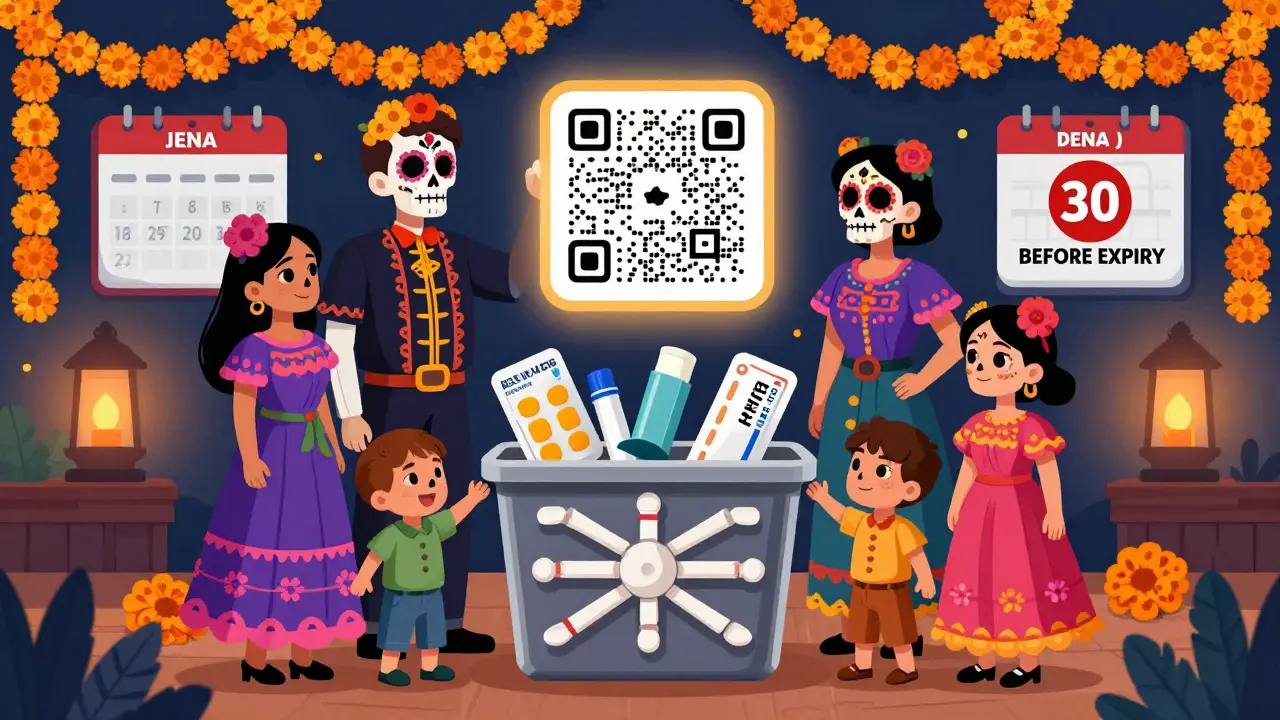
Set a monthly reminder on your phone: "Check EpiPen expiration date." Most last one year. Set a calendar alert for 30 days before it expires. That gives you time to schedule a doctor’s visit, get a new one, and drop off the old one.
Keep a dedicated sharps container at home. They cost $5-$15 at pharmacies. Use it for all your medical sharps-not just EpiPens, but also glucose lancets or insulin needles. Label it. Store it in a cabinet. When it’s full, take it to a drop-off site.
Teach your family. If you have kids, show them where the disposal bin is. Explain why it’s not trash. Make it part of your routine, like changing smoke detector batteries.
What’s Changing in 2026?
The EPA is tightening rules on pharmaceutical waste under the Resource Conservation and Recovery Act. More manufacturers are adding QR codes to packaging that link to disposal instructions. Mylan, the maker of EpiPens, started this in late 2023. Soon, you’ll scan the box and get a map to the nearest drop-off site.
States are pushing producer responsibility laws. That means drug companies, not patients, will pay for disposal programs. Expect more free drop-off boxes at pharmacies, clinics, and even grocery stores in the next two years.
For now, though, the system is still patchy. Rural areas have fewer options. A 2022 study found only 37% of rural counties had permanent disposal sites. If you live in a small town, call your county health department. They’ll know where to send you.
Improper disposal isn’t just careless-it’s dangerous. A child in Ohio died in 2021 after finding an old fentanyl patch in a trash can. That’s not a rare story. It’s preventable. You have the power to stop it.
Can I throw expired EpiPens in the regular trash?
No. EpiPens contain a needle and a potent drug. Even if empty, they’re classified as medical sharps. Throwing them in the trash risks injury to sanitation workers and accidental exposure to children or pets. Always return them to a healthcare provider, pharmacy with a sharps program, or a DEA take-back location. If you must store them temporarily, place them in a puncture-proof container labeled "SHARPS" and "DO NOT RECYCLE."
Do pharmacies take back inhalers?
Some do, but not all. Walgreens and CVS sometimes accept inhalers, but only at select locations. A 2022 survey found only 47% of Walgreens pharmacies offered this service. Always call ahead. If your pharmacy doesn’t take them, check with your local household hazardous waste facility or city waste department. Some cities, like New York, have special aerosol drop-off sites.
Should I flush medicated patches down the toilet?
Only if they’re on the FDA’s flush list-like fentanyl, buprenorphine, or oxycodone patches. For these, folding the patch in half (sticky sides together) and flushing it is the safest way to prevent accidental exposure. For other patches (like nicotine or lidocaine), fold them in half and mix them with coffee grounds or cat litter before throwing them in the trash. Never flush non-listed patches.
What if I live in a rural area with no disposal options?
Rural areas often lack permanent drop-off sites. In this case, store expired items safely in a labeled, puncture-proof container until you can travel to the nearest town with a take-back program. Many county health departments offer mail-back programs or periodic collection events. Call your local public health office-they may have a solution. Never leave devices in the open trash.
Is there a cost to dispose of these items?
No, not at take-back locations. DEA-authorized sites, hospitals, and pharmacies that accept sharps or medications do so for free. Some pharmacies sell sharps containers for $5-$15, but you don’t need to buy one to use a drop-off bin. DisposeRx® packets cost about $1.29 each, but they’re only for pills and liquids-not patches or sharps. Take-back programs are designed to be free and accessible.
Paul Ratliff
March 17, 2026 AT 18:29Kathy Underhill
March 18, 2026 AT 18:20gemeika hernandez
March 20, 2026 AT 11:20Nicole Blain
March 21, 2026 AT 05:57SNEHA GUPTA
March 22, 2026 AT 00:00Sanjana Rajan
March 22, 2026 AT 01:50Laura Gabel
March 22, 2026 AT 03:53MALYN RICABLANCA
March 23, 2026 AT 21:36Gaurav Kumar
March 23, 2026 AT 21:46Kyle Young
March 24, 2026 AT 09:05Aileen Nasywa Shabira
March 24, 2026 AT 11:42